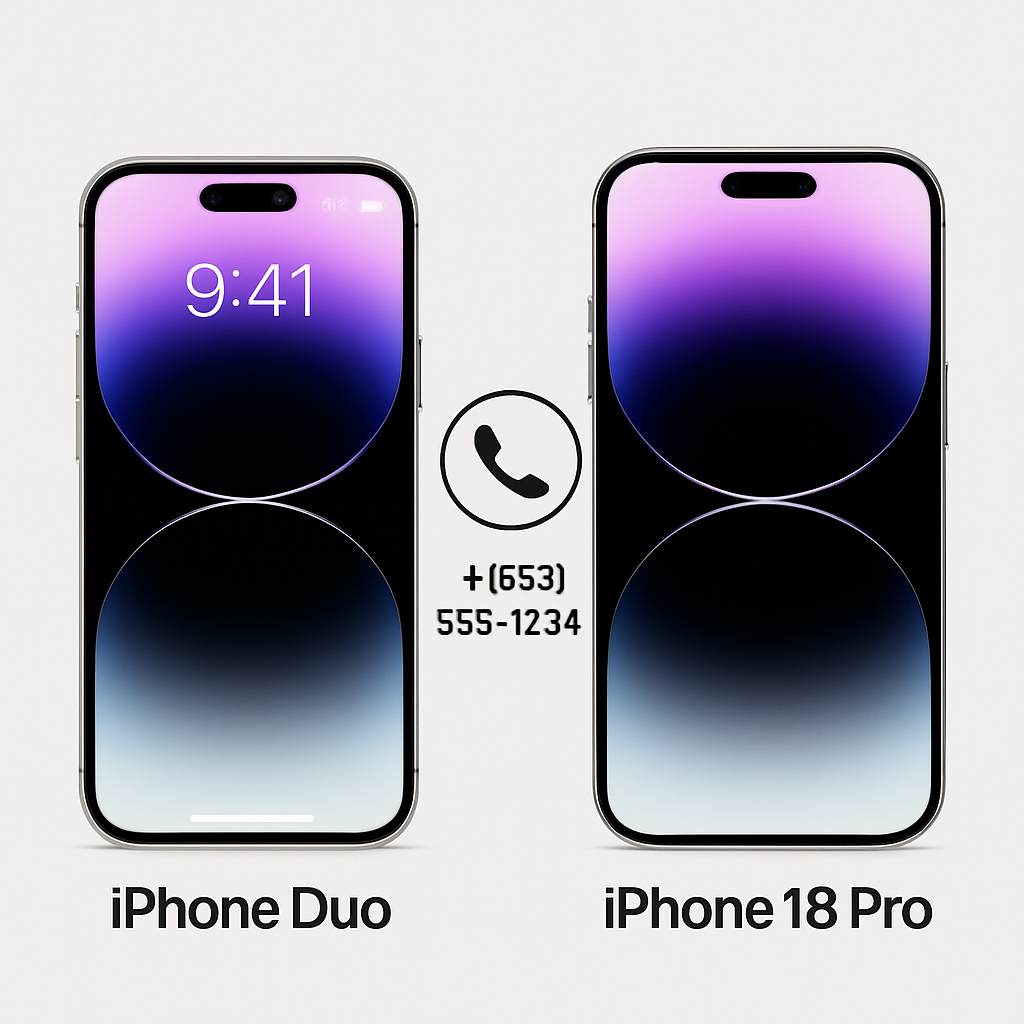
Verizon is introducing a $10-per-month fee for its new iPhone Handoff feature, a service that lets users share one Verizon phone number across two compatible iPhones. The company confirmed this pricing alongside its unveil of the iPhone Duo. Only devices running iOS 27 and specifically the iPhone Duo and iPhone 18 Pro are currently supported. Verizon says the service will arrive “soon,” with Apple previously stating the carrier would enable the feature before the end of the year.
How iPhone Handoff Works and What’s Changing
The iPhone Handoff feature allows a phone number tied to Verizon service to be active on one iPhone at a time, with the ability for users to switch the active device as needed. In other words, while two devices can share the same number, only one is actively using it at once. This opens up use cases like pairing a more portable phone like the iPhone Duo with a more capable model like the iPhone 18 Pro. Through Handoff, users won’t need multiple lines—just one with the option to toggle between compatible iPhones.
Comparisons, Carriers & International Pricing
T-Mobile already supports iPhone Handoff at half the cost—setting a $5 monthly fee for users. AT&T hasn’t yet committed to providing support, saying there are no immediate plans for rollout. Verizon joins a growing list of carriers globally adopting the feature: in the U.K., EE’s Full Works Plus plan includes Handoff for free, while non-subscribers pay ~£5/month. In Germany, Deutsche Telekom charges around €6.95/month, though it bundles the feature free in its MagentaMobil L and XL plans.
This comes at a time when Apple added the Handoff feature in its iOS 27 update, expanding the ecosystem of how iPhones can share mobile number functionality across devices. For Verizon customers eyeing this switchable number setup, the key requirements will be owning one of the compatible iPhones (iPhone 18 Pro or soon-to-launch iPhone Duo), updating to iOS 27, and agreeing to the new monthly fee.
Previously, this kind of cross-device number flexibility was limited in U.S. carrier ecosystems, so Verizon charging for it is a significant move—especially as tech companies and carriers weigh what features to include at no extra cost versus setting a premium.
What to Watch: Keep an eye on when Verizon flips the switch—”coming soon” but no firm date yet—and whether additional phones become compatible beyond the two models listed. Also watch AT&T’s response; if competitors match or undercut Verizon’s $10 rate, it could shift demand. Finally, explore offers like EE’s and Deutsche Telekom’s to see how regional pricing strategies differ.
Why it matters: This signals shifting expectations around carrier charges. Features once considered premium extras—like number sharing—are now being monetized separately, even as we see growing demand for more flexible device ecosystems. Whether customers accept a recurring fee or push back could influence how carriers and Apple roll out such cross-device services in the future.