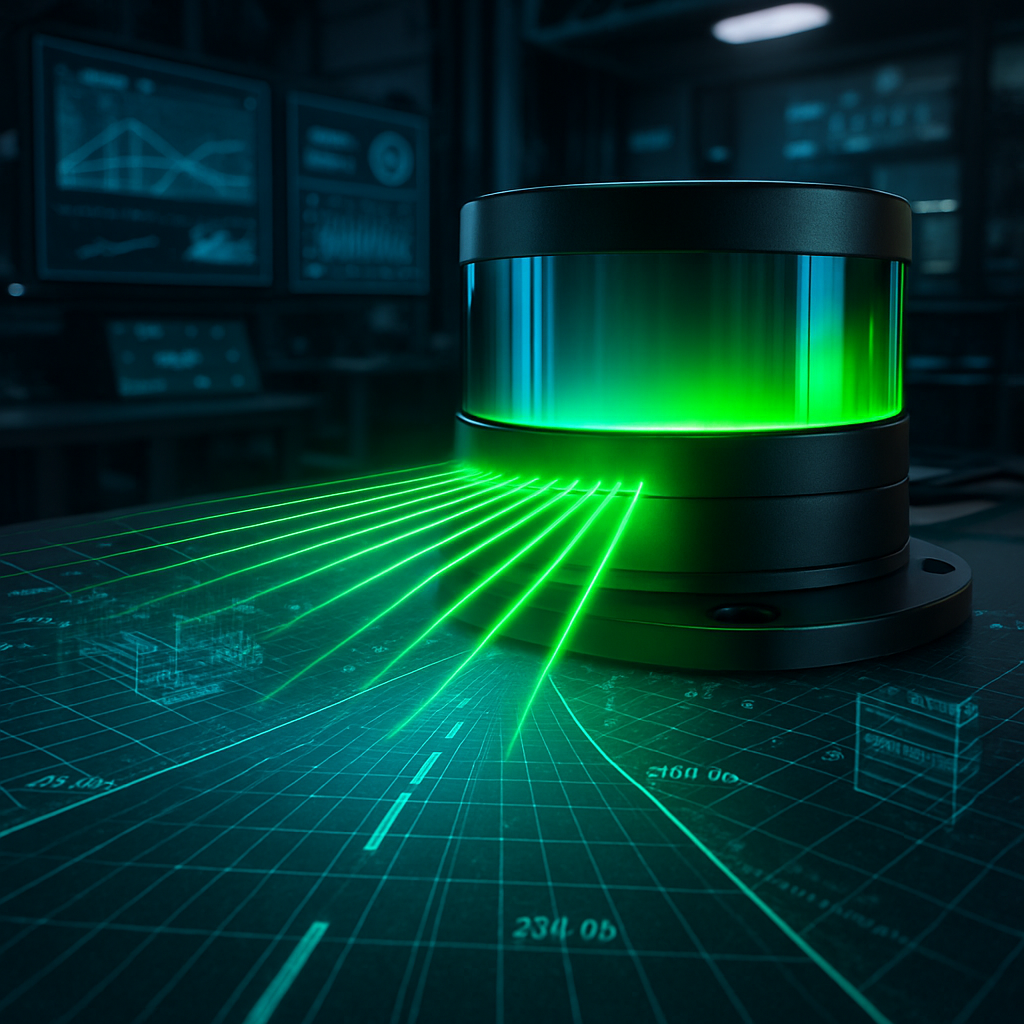
A U.S. national laboratory is currently examining Chinese-made LiDAR sensors to determine whether they present cybersecurity threats when deployed in vehicles across America. Idaho National Laboratory is conducting the review, backed by funding from electric and autonomous vehicle (AV) companies, according to sources familiar with the project. It’s not yet clear which firms are involved. ([techcrunch.com](https://techcrunch.com/2026/08/21/us-government-lab-is-probing-chinese-lidar-for-security-vulnerabilities/))
The review comes amid heightened scrutiny in Congress over foreign tech embedded in critical infrastructure. Lawmakers from both major parties are pushing bills to ban Chinese LiDAR imports or mandate stricter oversight, citing risks like espionage and covert data transmission. ([techcrunch.com](https://techcrunch.com/2026/08/21/us-government-lab-is-probing-chinese-lidar-for-security-vulnerabilities/))
What LiDAR brings—and what’s at stake
LiDAR (light detection and ranging) is a key sensor technology used by self-driving cars and AV systems to map surroundings using laser pulses. As recent advances cut its price — once tens of thousands of dollars per unit — it has become more ubiquitous, especially with Chinese suppliers like Hesai and RoboSense offering far cheaper options. ([techcrunch.com](https://techcrunch.com/2026/08/21/us-government-lab-is-probing-chinese-lidar-for-security-vulnerabilities/))
U.S. companies, facing pressures from cost and manufacturing constraints, have begun considering Chinese LiDAR in their sensor suites. Rivian, for example, has weighed integrating LiDAR sensors into its vehicles’ roofs with Chinese tech — though its CFO later clarified there are no immediate plans to bring LiDAR development fully in-house. ([techcrunch.com](https://techcrunch.com/2026/08/21/us-government-lab-is-probing-chinese-lidar-for-security-vulnerabilities/))
Specific security concerns
One primary concern is supply chain exposure—if crucial AV tech is reliant on Chinese manufacturing or suppliers, there’s fear of future manipulation or leverage. Another is cybersecurity: Chinese LiDAR could, if exploited, be disabled remotely or manipulated en masse, potentially knocking out sensors across fleets or limiting a vehicle’s ability to function safely. ([techcrunch.com](https://techcrunch.com/2026/08/21/us-government-lab-is-probing-chinese-lidar-for-security-vulnerabilities/))
There’s also particular worry about data leakage. LiDAR captures highly detailed environmental data. If that data is compressed and transmitted via connected chips, it could bypass security controls. Past incidents show individual LiDAR units are vulnerable to physical disruptions from lasers. While evidence of broad-scale disruption is scarce, concerns linger. ([techcrunch.com](https://techcrunch.com/2026/08/21/us-government-lab-is-probing-chinese-lidar-for-security-vulnerabilities/))
Regulatory frameworks are still catching up. The Department of Defense has listed Hesai and RoboSense on a restricted entity list for alleged ties to China’s military. Commerce rules already ban certain Chinese-made connectivity hardware in U.S. passenger cars, although LiDAR and similar sensors are not yet included under those bans. ([techcrunch.com](https://techcrunch.com/2026/08/21/us-government-lab-is-probing-chinese-lidar-for-security-vulnerabilities/))
Lawmakers—including Sens. Tammy Baldwin and Ted Budd, and Rep. John Moolenaar—are pushing legislation aimed at curbing Chinese LiDAR usage. Their proposed laws focus on both prohibiting Chinese LiDAR and mandating rigorous security evaluations to ensure it cannot be misused for spying or sabotage. ([techcrunch.com](https://techcrunch.com/2026/08/21/us-government-lab-is-probing-chinese-lidar-for-security-vulnerabilities/))
The lithium to leap-year mishap from early 2024 offers a cautionary tale. A glitch in timing accounting disrupted Hesai LiDAR sensors, causing affected AVs to stop operating for a day. It highlights how even non-malicious oversights can lead to serious system-wide failures. ([techcrunch.com](https://techcrunch.com/2026/08/21/us-government-lab-is-probing-chinese-lidar-for-security-vulnerabilities/))
Ultimately, this lab review may serve two very different outcomes: uncovering serious security holes, or clearing Chinese-made LiDAR sensors of suspected risks. The conclusions could influence sensor procurement, manufacturing, and regulation in the AV industry. What’s clear is that sensor supply — once just about performance and cost — is now squarely a national-security issue.