Cybercriminals Exploit Shared CDN Infrastructure to Evade Security Measures
In a concerning development, cybercriminals are exploiting shared Content Delivery Network (CDN) infrastructures to mask malicious activities behind reputable domains, effectively bypassing traditional security controls. This sophisticated technique, known as Underminr, leverages the inherent design of CDNs to obfuscate the origin of harmful traffic.
Understanding the Exploit
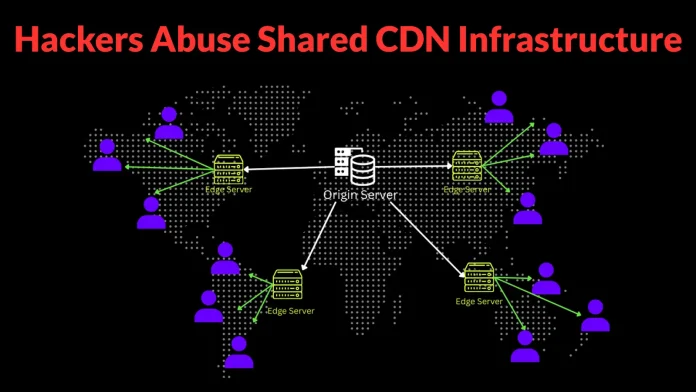
CDNs are integral to modern internet architecture, designed to enhance website performance by distributing content across a network of servers. They serve multiple clients simultaneously, routing traffic through shared infrastructure and edge nodes. Cyber attackers have identified a method to exploit this shared environment by registering their own domains with a CDN that also hosts well-known, trusted websites.
Once their domain is integrated into the CDN, attackers can craft requests that appear to be directed toward a legitimate destination. In reality, the data is funneled to servers under the attackers’ control. Security tools that rely on domain names or TLS handshake indicators are deceived by this tactic, allowing malicious traffic to pass undetected.
The Mechanics of Underminr
The Underminr technique exploits how CDNs utilize the HTTP Host header and Server Name Indication (SNI) in TLS handshakes to route incoming traffic. When an attacker’s domain shares the same CDN edge node as a trusted domain, they can send requests with the trusted domain’s SNI while directing the actual backend connection to their own servers. This manipulation causes security appliances to perceive the connection as legitimate, thereby not raising any alarms.
Complicating detection further, attackers employ HTTP/2 multiplexing—a protocol feature that allows multiple data streams over a single connection. This enables them to intersperse malicious traffic with legitimate requests, making it challenging to distinguish between harmful and benign activities.
Real-World Implications
The exploitation of shared CDN infrastructure has been observed in various malicious campaigns. For instance, attackers have used this method to distribute malware, conduct phishing attacks, and establish resilient command-and-control channels that evade traditional security measures. The tactics align closely with those documented in previous incidents where cybercriminals abused legitimate cloud and CDN platforms to host phishing kits, as reported by Cyber Security News. ([cybersecuritynews.com](https://cybersecuritynews.com/hackers-abusing-legitimate-cloud/?utm_source=openai))
Security researchers have identified that over 88 million domains could be at risk, including those hosted by major CDN providers such as Cloudflare, Akamai, AWS CloudFront, and Fastly. This widespread vulnerability underscores the need for heightened vigilance and adaptive security strategies.
Mitigation Strategies
Addressing the Underminr technique requires a multifaceted approach:
1. Enhanced Traffic Analysis: Implementing advanced behavioral analysis tools can help detect anomalies in traffic patterns that may indicate malicious activity.
2. Strict Access Controls: Organizations should enforce stringent access controls and monitor for unauthorized domain registrations within their CDN configurations.
3. Regular Security Audits: Conducting frequent audits of CDN settings and associated domains can identify potential vulnerabilities before they are exploited.
4. Collaboration with CDN Providers: Engaging with CDN providers to understand their security measures and reporting any suspicious activities can aid in mitigating risks.
By adopting these strategies, organizations can bolster their defenses against the sophisticated exploitation of shared CDN infrastructures.