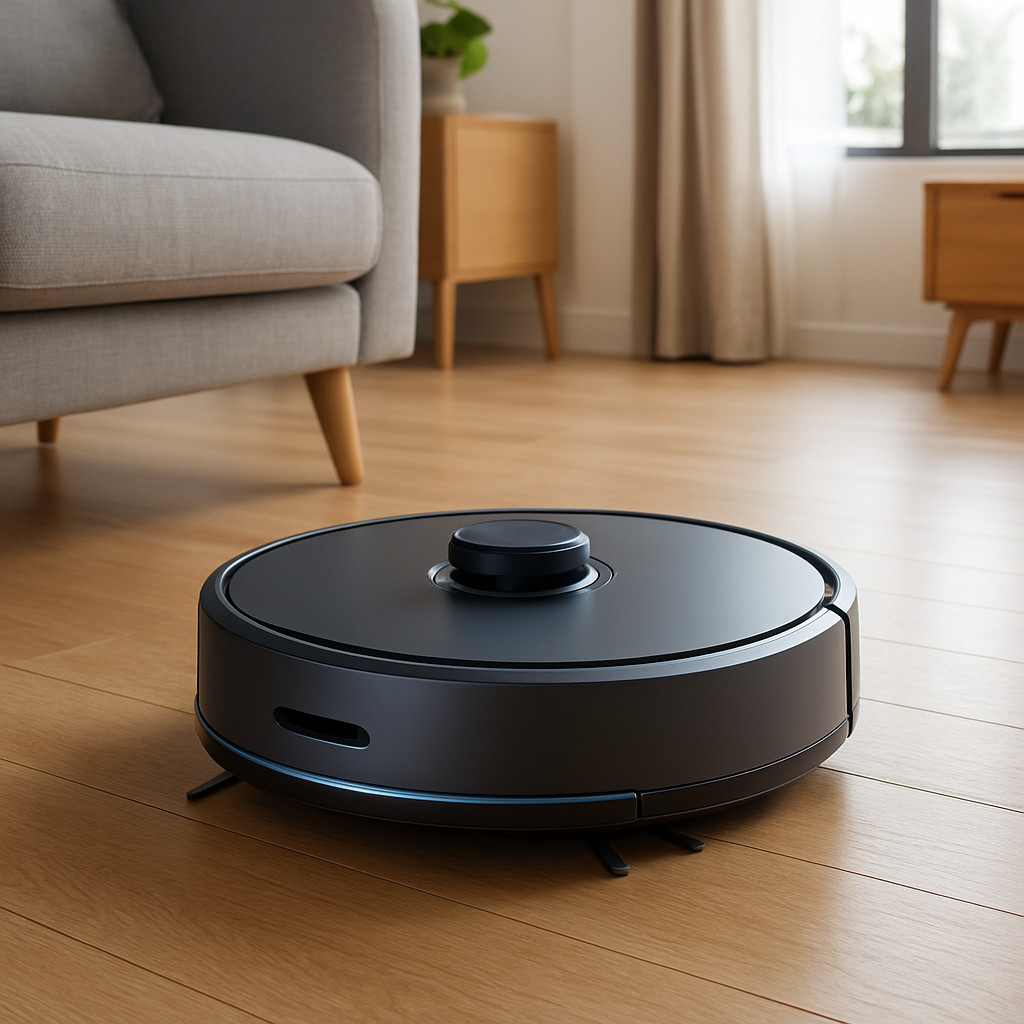
The United States Federal Communications Commission (FCC) has broadened its import restrictions to encompass a range of foreign-made robotic devices, including robot vacuums, citing national security concerns. This expansion follows previous bans on humanoid and quadruped robots, as well as power inverters, with a particular focus on products originating from China.
The FCC’s decision to add these devices to its Covered List means that new models of robot vacuums, robotic lawn mowers, pool cleaners, and other autonomous home robots produced abroad will be prohibited from entering the U.S. market unless they receive specific authorization. This move is part of a broader strategy to mitigate potential risks associated with surveillance capabilities, remote control vulnerabilities, and supply chain dependencies linked to foreign-manufactured technology.
Existing models that have already received FCC authorization are not affected by this ban. Consumers can continue to use their current devices without interruption. However, the restriction on new imports may limit the availability of the latest robotic cleaning technologies in the U.S. market.
China currently dominates the global market for humanoid robots, holding an estimated 85% share. The inclusion of robot vacuums and similar devices in the import ban underscores the U.S. government’s ongoing efforts to secure critical supply chains and reduce reliance on Chinese technology. This action aligns with previous measures targeting Chinese telecommunications equipment and drones, reflecting a consistent approach to addressing perceived national security threats posed by foreign-made electronic devices.
For consumers, this development could lead to a reduced selection of advanced robotic cleaning devices in the near future. Domestic manufacturers may see this as an opportunity to fill the gap left by restricted imports, potentially leading to increased innovation and production within the U.S. robotics industry. However, it remains to be seen how quickly domestic companies can respond to this shift and whether they can meet consumer demand for affordable and technologically advanced robotic cleaning solutions.
In the broader context, this ban highlights the escalating technological competition between the U.S. and China. As both nations vie for dominance in artificial intelligence and robotics, such trade restrictions may have significant implications for global supply chains, international relations, and the pace of technological advancement. Observers will be watching closely to see how these policies influence the development and availability of consumer robotics in the coming years.