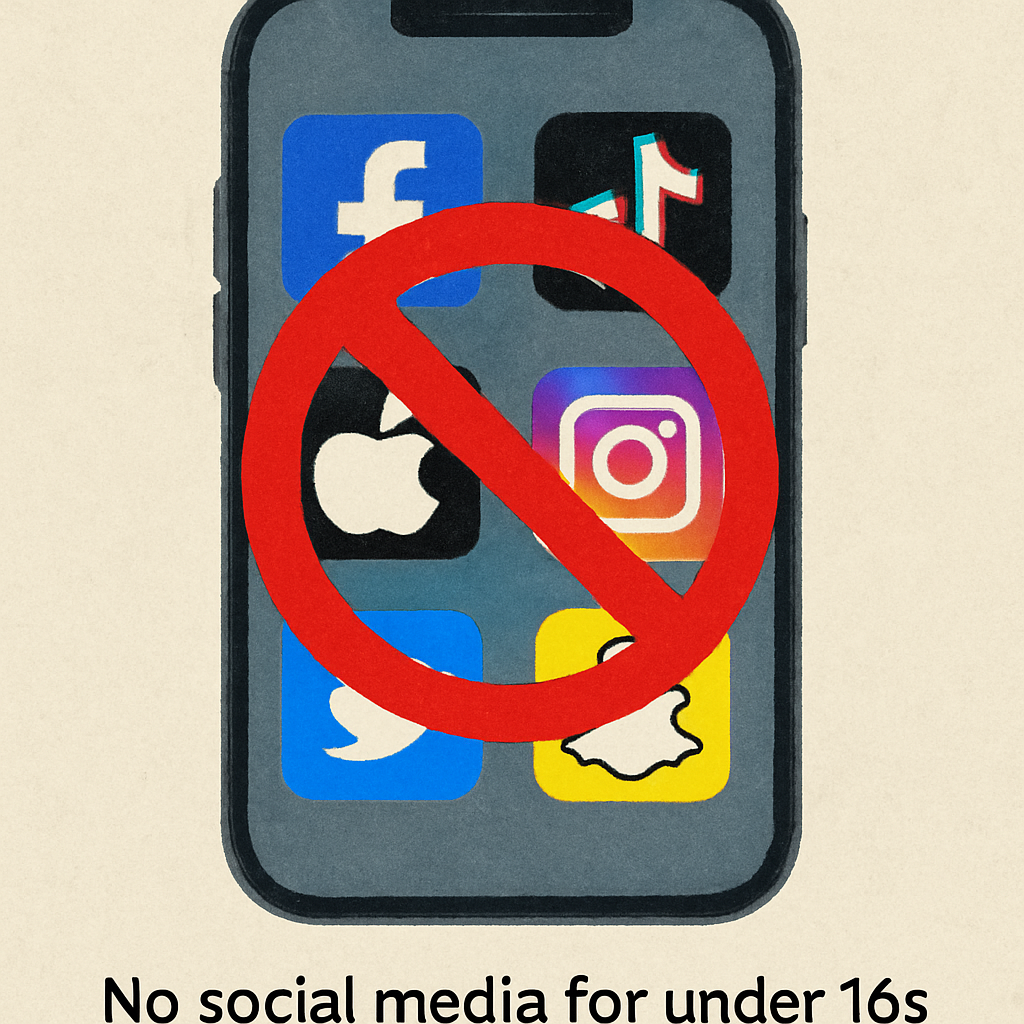
The United Kingdom is poised to implement a ban on social media usage for individuals under the age of 16. Prime Minister Keir Starmer is expected to announce this policy in an upcoming speech, marking a significant step in the government’s efforts to protect young people online.
This initiative follows a period of consultation and debate. Earlier this year, the UK government launched a public consultation to explore the potential impacts of such a ban, gathering input from parents, educators, and technology experts. The consultation aimed to address growing concerns about the effects of social media on children’s mental health and well-being.
The proposed ban is expected to encompass major social media platforms, including TikTok, Instagram, Facebook, X (formerly Twitter), YouTube, Reddit, Threads, Snapchat, Twitch, and Kick. For platforms not covered by the ban, such as certain gaming apps, additional restrictions may be imposed. These could include disabling features that allow users to interact with strangers, thereby reducing potential risks associated with online interactions.
In addition to the under-16 social media ban, the government plans to introduce measures targeting other online risks. These include prohibiting users under 18 from accessing romantic or sexual AI chatbots and implementing strategies to prevent late-night scrolling, which has been linked to sleep disturbances and other health issues among teenagers.
Enforcement of these new regulations may require a combination of existing regulatory powers and new legislation. The government is considering various mechanisms to ensure compliance, including age verification processes and penalties for platforms that fail to adhere to the new rules.
Internationally, the UK is not alone in pursuing such measures. Countries like Australia have already implemented similar bans, restricting social media access for users under 16. Canada’s recent introduction of the Safe Social Media Act aims to ban access to social media platforms for individuals under 16, citing concerns over mental health deterioration, cyberbullying, and exposure to harmful content.
However, these initiatives have sparked debate. Critics argue that outright bans may infringe on digital privacy rights and could be challenging to enforce effectively. They suggest that alternative approaches, such as implementing strict safety standards for apps and providing parents with robust tools to manage their children’s online activities, might be more effective and less intrusive.
As the UK moves forward with this policy, it will be essential to balance the need for protecting young users with considerations of privacy, freedom of expression, and the practicalities of enforcement. The effectiveness of such bans in achieving their intended outcomes remains to be seen, and ongoing evaluation will be crucial to ensure that the measures provide genuine benefits to children’s well-being.