Tim Cook Joins President Trump’s High-Profile Delegation to China Amidst Critical Trade Talks
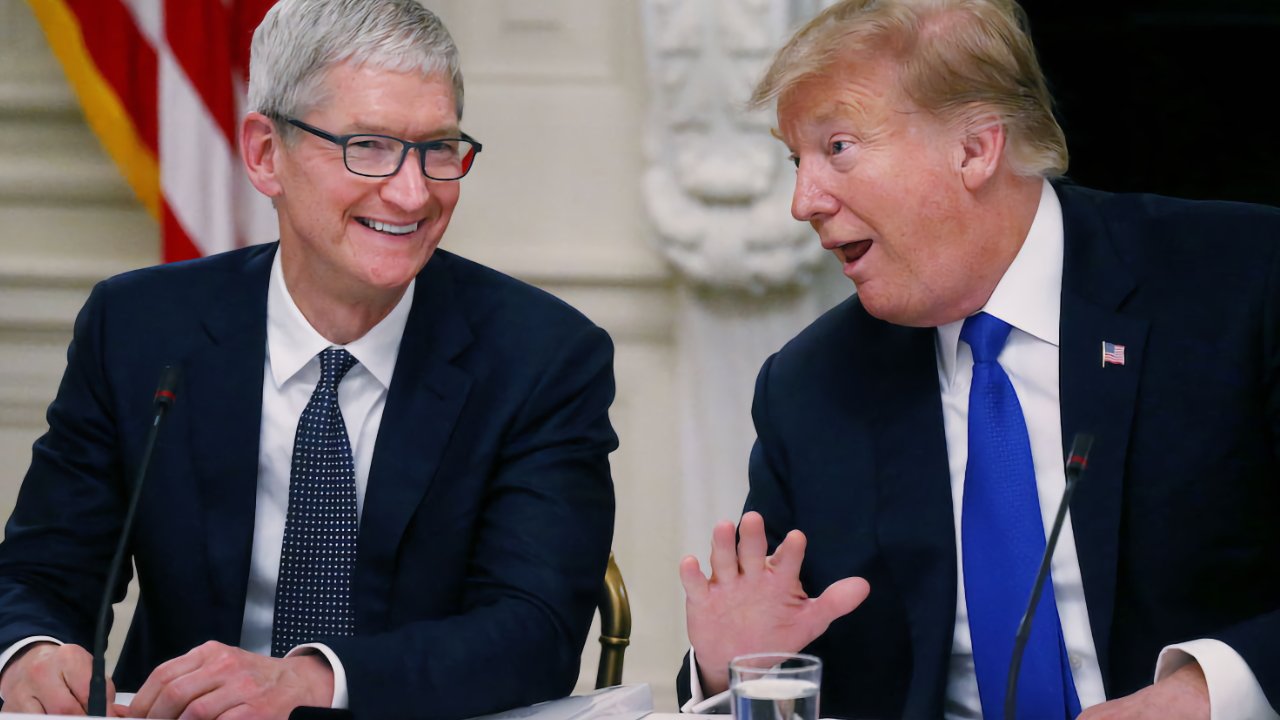
In a significant move to bolster U.S.-China relations, President Donald Trump is set to visit Beijing from May 13 to 15, 2026, accompanied by a delegation of prominent American business leaders. Among the notable figures is Apple CEO Tim Cook, whose participation underscores the trip’s emphasis on technology and trade.
A Strategic Assembly of Business Leaders
The delegation comprises over a dozen top executives from various sectors, reflecting the multifaceted nature of the discussions anticipated during the visit. Alongside Tim Cook, the roster includes:
– Elon Musk, CEO of Tesla and SpaceX
– Larry Fink, CEO of BlackRock
– Stephen Schwarzman, CEO of Blackstone
– David Solomon, CEO of Goldman Sachs
– Jane Fraser, CEO of Citigroup
– Kelly Ortberg, CEO of Boeing
– Chuck Robbins, CEO of Cisco
– Sanjay Mehrotra, CEO of Micron Technology
– Michael Miebach, CEO of Mastercard
– Cristiano Amon, CEO of Qualcomm
– Ryan McInerney, CEO of Visa
– Dina Powell McCormick, President of Meta Platforms
This diverse group signifies the administration’s intent to address a broad spectrum of issues, from technology and finance to manufacturing and agriculture.
Tim Cook’s Continued Engagement with China
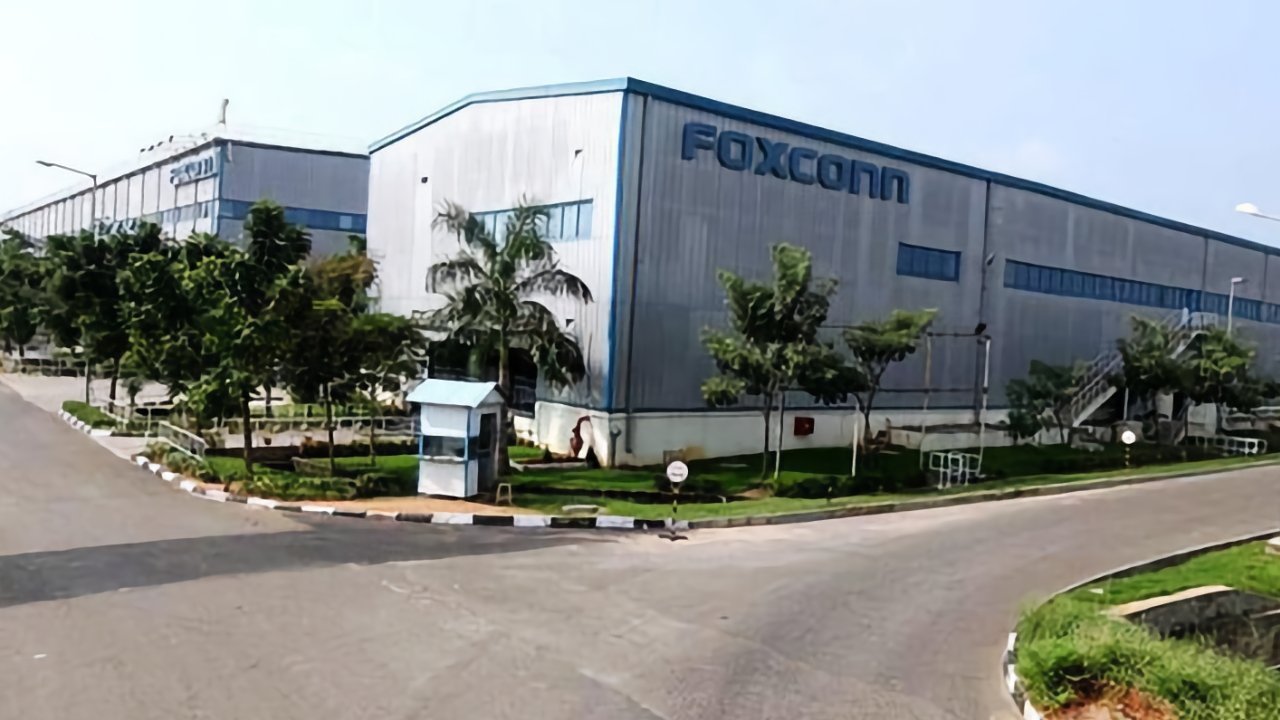
Tim Cook’s inclusion in the delegation is particularly noteworthy given Apple’s substantial presence in China. The country serves as both a critical market and a key manufacturing hub for Apple products. Cook has a history of proactive engagement with Chinese officials to navigate the complex trade landscape. In October 2025, he met with China’s Minister of Industry and Information Technology, Li Lecheng, pledging to enhance Apple’s investments in the region despite looming tariff threats from the U.S. administration.
Objectives of the Visit
The primary aim of this high-profile visit is to stabilize and potentially enhance economic relations between the United States and China. Key objectives include:
– Trade Discussions: Addressing the decline in U.S.-China trade, which has seen a significant reduction in Chinese imports of American goods by $50 billion since 2022. The delegation hopes to negotiate terms that could lead to increased purchases of U.S. agricultural products and aircraft by China.
– Technology and Intellectual Property: With executives from leading tech companies present, discussions are expected to cover issues related to technology transfer, intellectual property rights, and China’s ambitions in high-tech industries.
– Establishment of a U.S.-China Board of Trade: Proposals may include the creation of a new platform to facilitate ongoing economic dialogue and prevent future tariff escalations.
Challenges and Considerations
Despite the optimistic agenda, several challenges loom over the summit:
– Rare Earth Minerals and Advanced Chips: Tensions persist over access to critical materials and technologies, with the U.S. aiming to maintain its technological edge while China seeks self-reliance.
– Taiwan: The status of Taiwan remains a contentious issue, with China’s military pressure and U.S. arms sales to the island complicating diplomatic relations.
– Middle East Dynamics: The U.S. may urge China to leverage its influence over Iran amidst escalating tensions in the Middle East, adding another layer of complexity to the discussions.
Implications for Apple and the Tech Industry
For Apple, the outcome of these talks could have significant implications. The company’s reliance on Chinese manufacturing and the Chinese market means that any shifts in trade policies or tariffs could impact its operations and profitability. Tim Cook’s presence signals Apple’s commitment to maintaining strong ties with China and navigating the evolving trade landscape.
Conclusion
As President Trump and his delegation, including Tim Cook, prepare for this pivotal visit, the global business community watches closely. The outcomes of these discussions could reshape U.S.-China economic relations, influence global trade dynamics, and set precedents for how multinational corporations engage with international trade policies.