TikTok has reached a settlement with the state of Alabama, agreeing to pay at least $100 million to resolve accusations that it misled users on safety and engineered features to addict minors. The agreement, finalized as the trial was set to begin on Monday, sets a floor for payment while allowing for a potential increase up to $300 million depending on how certain conditions are met.
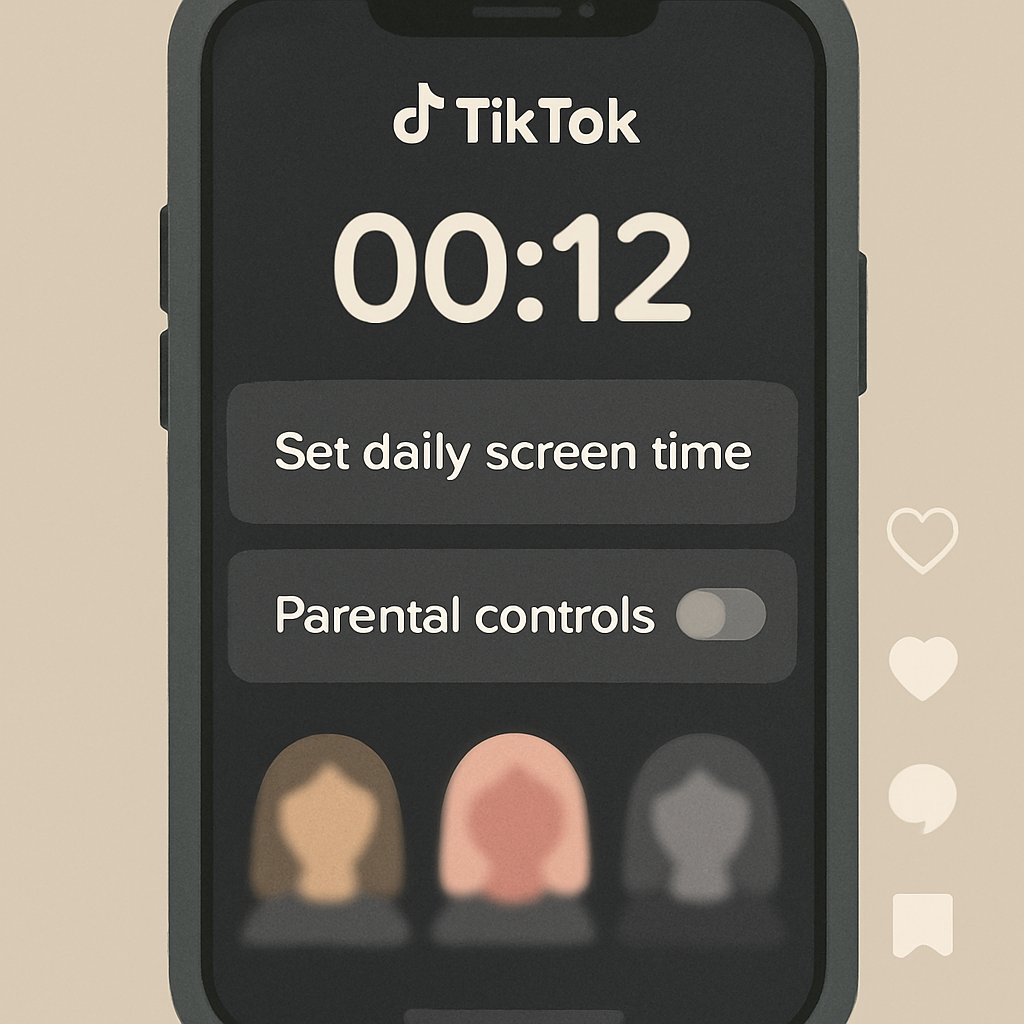
This deal mandates new safety controls aimed at safeguarding younger users. Under its terms, TikTok must impose a two-hour daily usage limit for underage users, introduce stricter parental controls, restrict access overnight, and limit or disable cosmetic filters for minors. These adjustments are intended to address concerns about the platform’s impact on child well-being.
What precipitated this settlement
Alabama’s lawsuit alleged that TikTok misrepresented how safe the platform was and that its design was purposefully addictive, especially for children. The case was due in court this week, but the settlement forestalls that need.
In addition to these state-level claims, TikTok is facing broader legal exposure. Just last month, the platform settled a federal lawsuit with the U.S. Department of Justice, agreeing to a $400 million payout over violations of child privacy statutes.
Enforcement and future implications
The magnitude of the payment — potentially $300 million — locks in significant financial consequences for the company if it fails to comply with all aspects of the agreement. While $100 million will be paid upfront, further payments hinge on meeting compliance benchmarks.
These requirements don’t just hit the bank account: operational changes are baked into the settlement. TikTok has committed to enforce stricter usage caps for minors, empower parents through enhanced control features, and impose restrictions aimed at mitigating overnight use when risk may be higher.
Parents in Alabama are being told that the settlement provides concrete protections against the dangers of social media addiction. TikTok expressed that this resolve builds upon its existing commitment to safety tools and protection for teen users.
What this means, and what to watch: This settlement signals increasing regulatory pressure on social media platforms to prioritize youth safety and transparency. It may influence how other states approach similar cases, and how platforms design features like filters and time limits. Going forward, it will be crucial to observe how enforcement is carried out — whether Alabama or other jurisdictions hold TikTok accountable for meeting its compliance milestones and what penalties follow if it fails to do so. Changes could ripple across the industry as platforms anticipate legal risks tied to design choices affecting minors.