The Boring Company, the ambitious tunnel-infrastructure venture founded by Elon Musk, has closed a Series D funding round raising $3 billion. The investment boosts its valuation to approximately $23 billion, fueling plans to construct over 150 kilometers of fresh tunnels in the United Arab Emirates. Participating investors include a host of major firms such as Andreessen Horowitz, Sequoia Capital, Human Capital, Vy Capital, and Valor Equity Partners.
Tunneling Ambitions: UAE Expansion and U.S. Projects
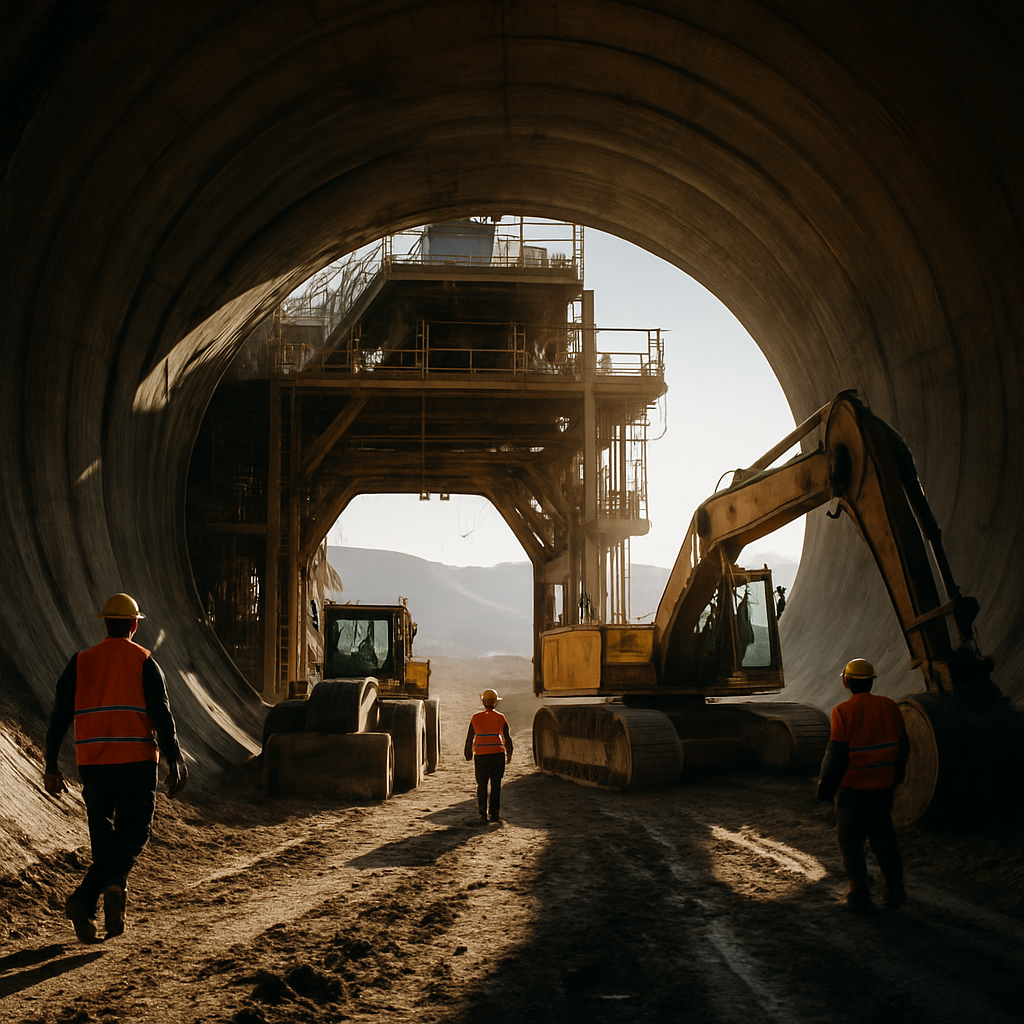
Most of the company’s existing tunneling work is rooted in Las Vegas, where it operates underground passageways that link hotels, casinos, and the convention center. That said, one of its more visible U.S. projects is underway in Nashville, Tennessee, which entails building a 10-mile subterranean loop designed to improve travel times. Meanwhile, this latest funding round is tied closely to the UAE, where the company aims to build more than 150 kilometers of tunnels—marking a major geographic expansion.
Funding Details and Big Picture Strategy
While it was reported back in July that The Boring Company was in talks to raise as much as $4 billion, the actual round landed at $3 billion. The Series D is being led by the UAE, signaling growing international interest in tunnel infrastructure as an alternative to traditional road congestion. The involvement of heavyweight venture capital firms underscores strong confidence in the company’s vision, even amid concerns about cost, construction challenges, and whether its tunneling model can scale effectively.
Why this matters: The Boring Company seeks to dramatically reduce traffic by routing vehicle travel through underground, three-dimensional networks of tunnels instead of surface roads. It’s a complex idea—venturing below cities comes with regulatory, engineering, and safety hurdles—but one that could reshape how urban transit systems are built, if it works.
With this cash infusion, the company now has the resources to pursue large-scale tunneling in the Middle East, while continuing its U.S. footprint. Nashville remains a test bed for its transit-loop model, and the Las Vegas tunnels serve as its proof of concept. This funding round also reflects how governments like the UAE are willing to invest in futuristic infrastructure projects, particularly those with potential to relieve urban congestion through engineered alternatives.
What to watch next: Keep an eye on how the company manages permitting and geological challenges as it begins construction in the UAE. Also important will be the timeline and cost efficiencies of the Nashville loop, which could make or break public and investor faith in this underground vision. If executed well, this could mark a turning point in how cities around the world think about traffic, mobility, and infrastructure.