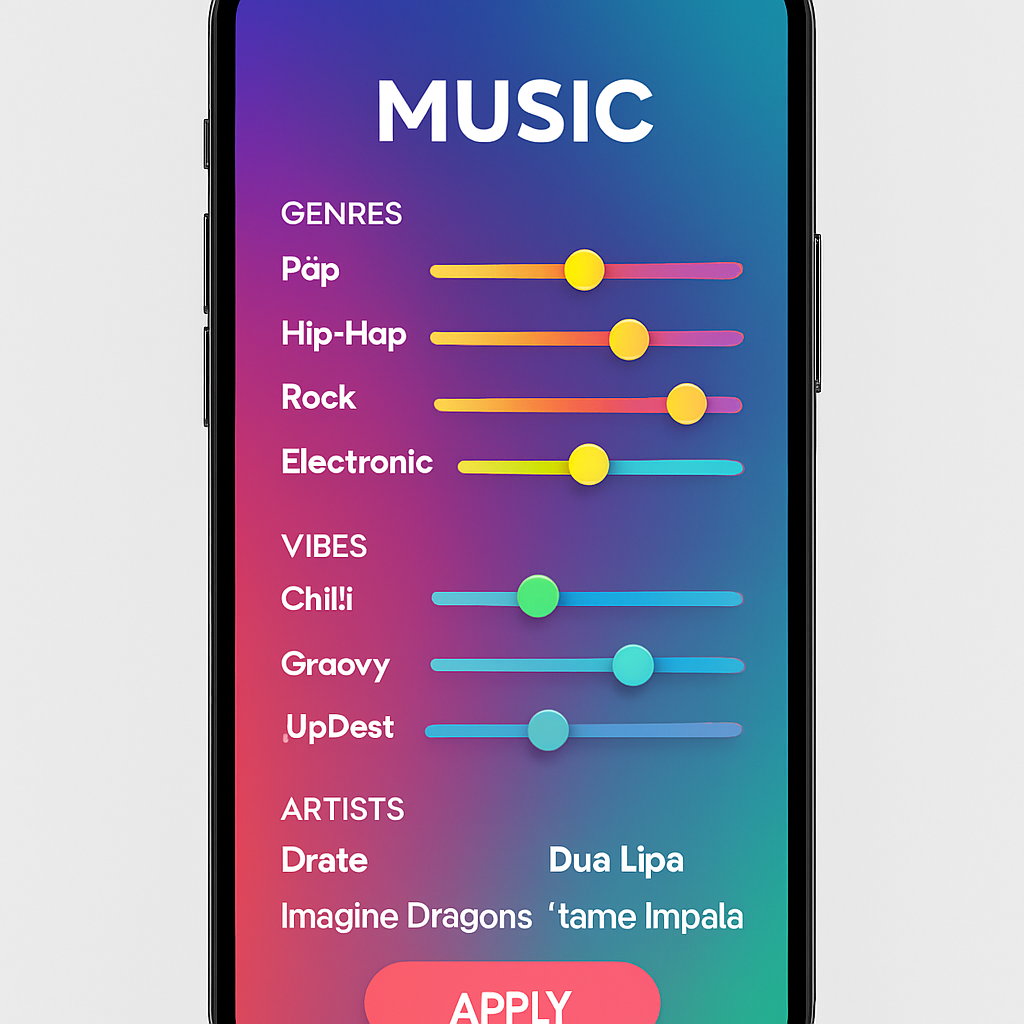
Spotify is handing more control to its Premium users over what they hear. As of September 23, 2026, the music streaming service has rolled out a new feature in the U.S. called “Taste Profile” that lets listeners see how Spotify interprets their preferences—and tweak them using natural language adjustments. The update is part of the company’s push to give people more agency over its recommendation engine.
Taste Profile was initially unveiled in March at SXSW by Spotify’s co-CEO, but it was only available in New Zealand in beta form. Now, it’s being introduced in Spotify’s largest market, where users aged 18 and older can get early access.
What You Can Change—And Why It Matters
With this update, Premium users can see the musical and audio genres, artists, and overall vibes that Spotify believes reflect their tastes. They can then request more variety, dial back a genre or artist, or even banish certain vibes entirely—say, if you’re tired of late-night lofi or childhood car karaoke cringe. These changes flow through to key Spotify features like Discover Weekly, Made for You, and even influence data shaping Spotify Wrapped.
Before Taste Profile, Spotify offered limited options: you could block specific tracks or playlists or flip toggles, like preventing kids’ music from affecting what parents see. But these controls were narrow. The new tool lets you fine-tune your experience by broadly adjusting moods, genres, or content types.
How It Works & What’s Still TBD
To try out the feature, go to your profile in the mobile app, scroll down to “Taste Profile,” and review Spotify’s take on your audio taste spanning music, podcasts, and audiobooks. Under “Tell us more,” you can type what you want more—or less—of. Changes will start appearing in your Home tab after a few hours.
The feature is still in beta, with no announced date for when every Premium user will see it. It’s being tested now with U.S. users aged 18 and up.
Taste Profile is a response to longtime complaints that Spotify’s algorithm tends to keep playing similar content instead of growing or shifting as listeners’ moods and interests change. By putting control in the hands of listeners, it aims to reduce that stagnation.
This rollout follows other recent controls Spotify has added—such as letting listeners hide tracks or playlists from influence, and toggles to block kids’ content from recommendation data.
What’s next is watching how well these controls work in practice: Will users actually take the time to shape their Taste Profile? Will this lower “algorithm fatigue” where suggestions feel stale? And how will this affect Spotify’s core metrics like engagement or listening time? This is not just about personalization—it’s about the evolving relationship between users and AI-driven recommendation systems.