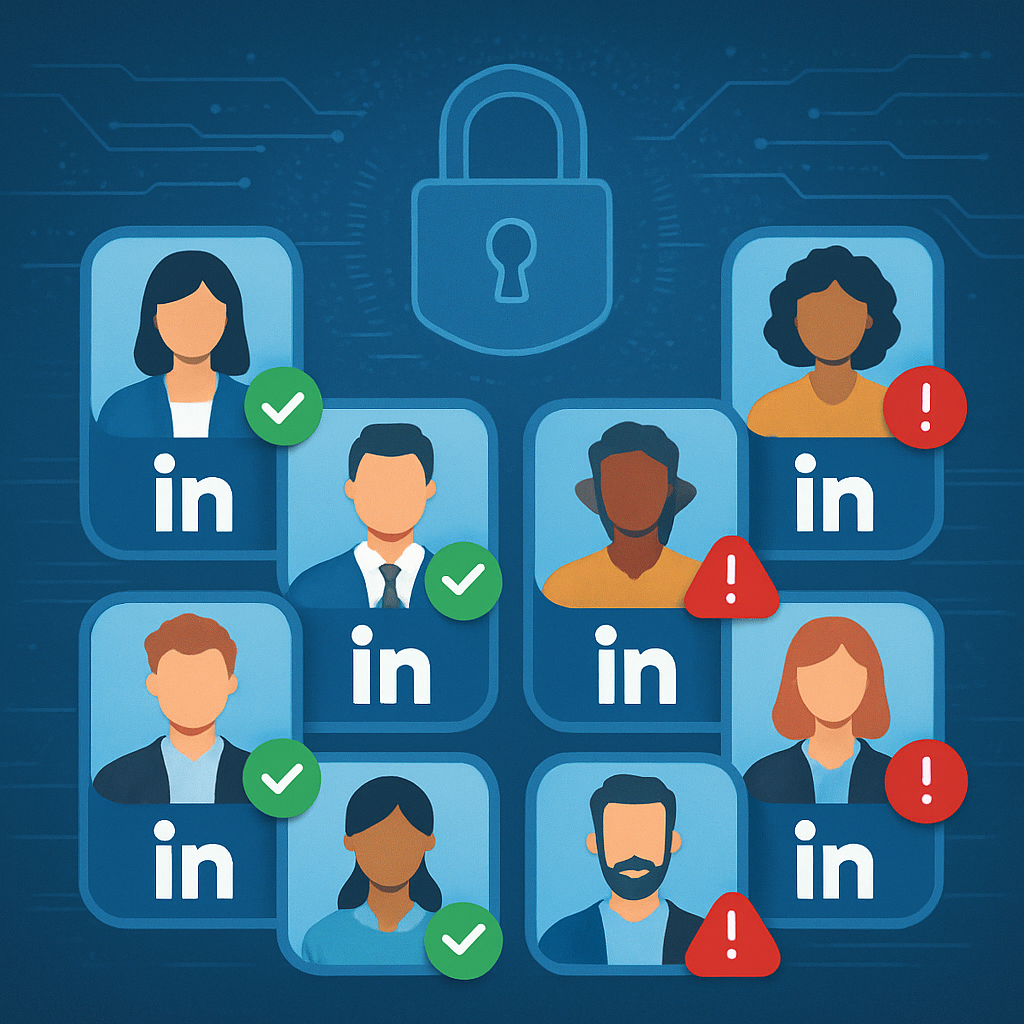
LinkedIn is introducing a suite of tools aimed at stamping out fake profiles and dishonest work histories, a problem that’s surfaced more frequently with the rise of AI-generated content. The new features are designed to give both individuals and businesses more control over how authenticity is represented and how fake claims can be removed or flagged. It’s part of LinkedIn’s broader drive to strengthen credibility across its professional network.
What’s Changing
First up, LinkedIn is adding a “vouching” function. Unlike endorsements, this lets members confirm a connection with someone based on past or present joint experience—such as having worked together or gone to school together. To prevent misuse, only members with verified profiles who have been connected for at least a year, and who use two-factor authentication, will be able to vouch for others.
Companies are also getting new guardrails. Page admins will be able to remove accounts falsely claiming employment with their organization from their company page and related searches. While these false claims won’t be wiped from LinkedIn profiles themselves, those entries will lose verification status and links to the company’s page will be disabled. For future associations, admins will have the option to require workplace verification—like confirming work email addresses—for anyone claiming to be part of the company.
Other Key Additions
LinkedIn is expanding its third-party verification partnerships. Firm collaborators like Truecaller and PeerSpot are joining existing partners such as Adobe and UserTesting. One example: Truecaller users will be able to display their LinkedIn-verified identity when making phone calls.
The company shared usage numbers to illustrate the stakes: over 115 million members and more than 700,000 companies have already used some form of verification on LinkedIn. The platform also reported tangible benefits for verified users—they tend to get around 50% more post views and about 90% more impressions than those without verification.
All of this comes in response to what LinkedIn describes as a rise in impersonation and false claims online—a concern that’s especially relevant in professional contexts where resumes, credentials, and past affiliations influence career opportunities. While many verification tools already existed, these new additions represent an escalation in LinkedIn’s efforts to ensure profile claims are genuine.
These features are rolling out now, though options like workplace verification settings for page admins are currently in testing with a select group, mainly recruiters and company execs.
Why It Matters: In a world increasingly rife with deepfakes and AI tools, professional authenticity is getting harder to assume. These tools aim to tilt the balance back toward real identity and reckon with misuse before it becomes normalized. Employers, freelancers, and anyone relying on LinkedIn as a signal of professional trust should watch how widely these features are adopted—and how they evolve in enforcement and usability.