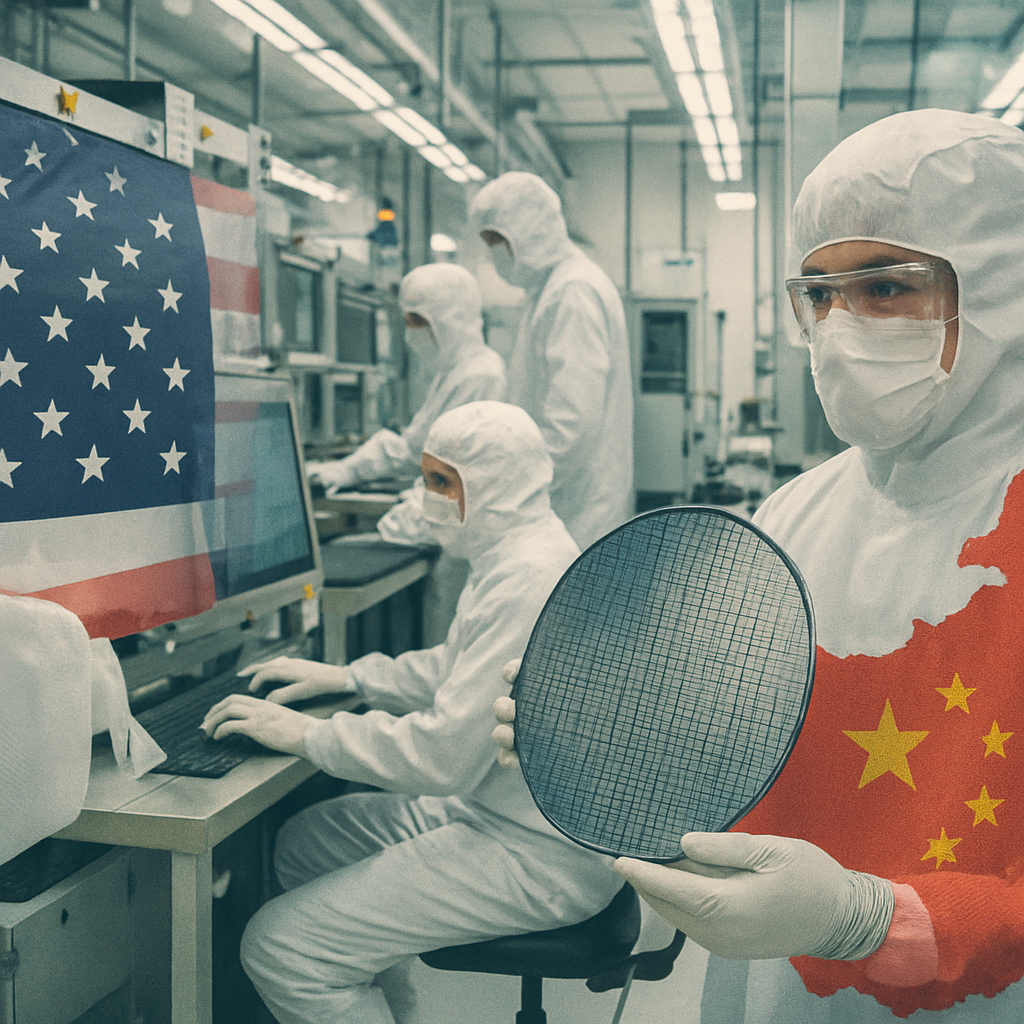
SK Hynix’s Solidigm division is pushing to get U.S. permission to export advanced chipmaking gear to its facility in Dalian, China. Key sources say that approval is being sought as part of a deal connected to Solidigm’s plans to build a new NAND flash memory factory in the U.S. Part of the incentive for Washington would be construction of that domestic facility.
Export Authorization Hinged on U.S. Production Commitment
Solidigm, the NAND flash chip unit of SK Hynix, is reportedly proposing that it can only more freely ship American-made manufacturing equipment to its China plant if it commits to building a new chip plant in the U.S. Speculation has landed on upstate New York as a candidate location for the proposed factory.
The company says it is not expanding capacity at the Dalian Mod B facility (completed in 2023), and stresses any export of new gear is happening under U.S. authorization and oversight.
Supply Chain Strains, Policy Pressure
NAND flash chips power SSDs in devices ranging from smartphones and laptops to AI data centers. Demand has surged—dramatically tightening supply—and analysts expect NAND prices to rise 15–20% in the fourth quarter.
Since 2022, the U.S. has heavily restricted exports of advanced chip manufacturing tools to China, citing national security. In 2025, it abruptly revoked certain exemptions that had allowed SK Hynix and others to export to Chinese facilities. Since then, SK Hynix and Samsung have obtained annual U.S. licenses permitting some exports under strict conditions.
Solidigm is also preparing for an initial public offering around 2027, expected to raise up to $10 billion and value the company as high as $100 billion. That puts extra incentive on securing favorable export arrangements.
Commerce Secretary Howard Lutnick recently urged foreign chipmakers, including SK Hynix, to build manufacturing capacity within the U.S. as part of the administration’s wider push for reshoring semiconductor production.
This proposal by Solidigm appears to be a strategic trade: more freedom to export equipment to its Chinese production lines in exchange for investment on American soil. If approved, it could create precedent for how chip capacity could be maintained globally while complying with increasingly strict export rules.
Why this matters:Solidigm’s arrangement could influence the future of global semiconductor supply chains. U.S. restrictions aim to limit China’s access to high-end chipmaking tools but risk pushing companies toward complicated workarounds or U.S. production commitments. Watching how Washington responds—or conditions linked to any approval—will be critical for industry players and U.S.-China trade policy alike. Build-outs, licensing policies, and factory locations could all reshape the competitive landscape.