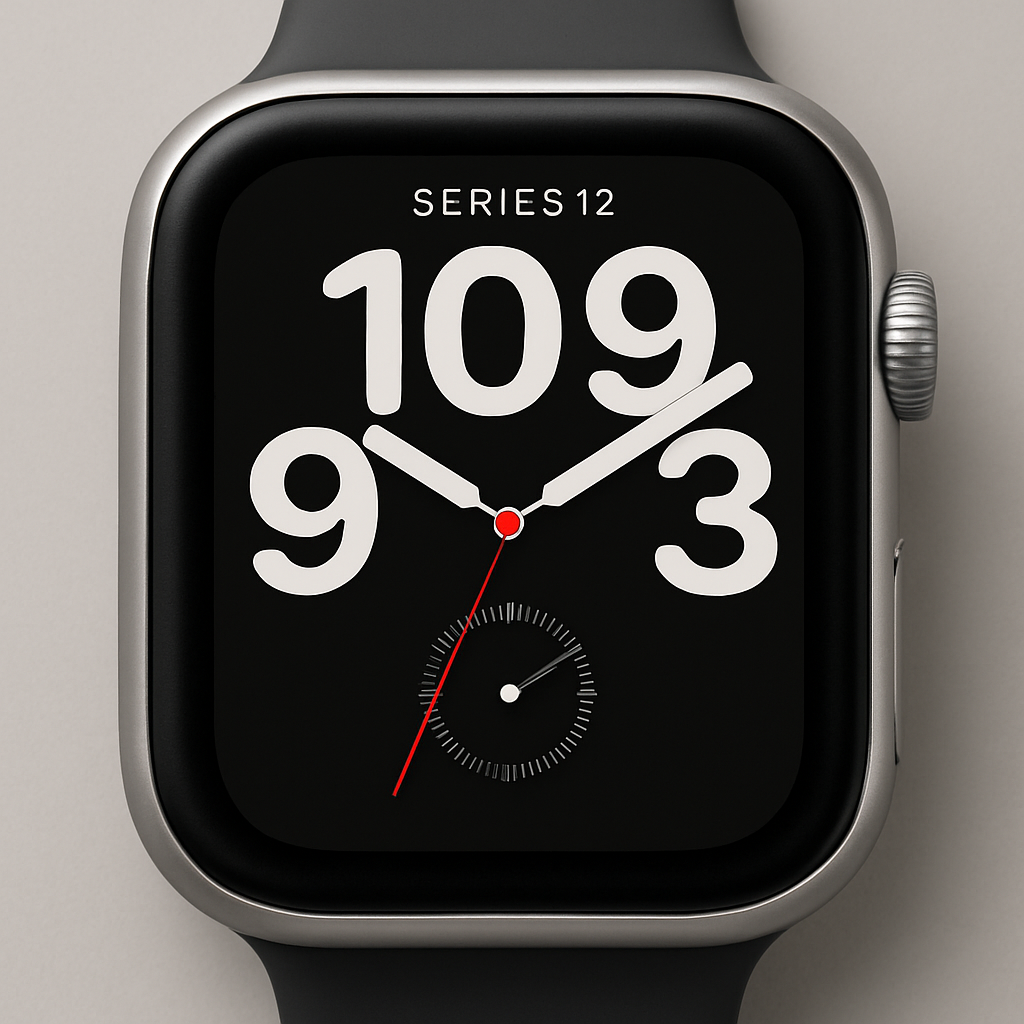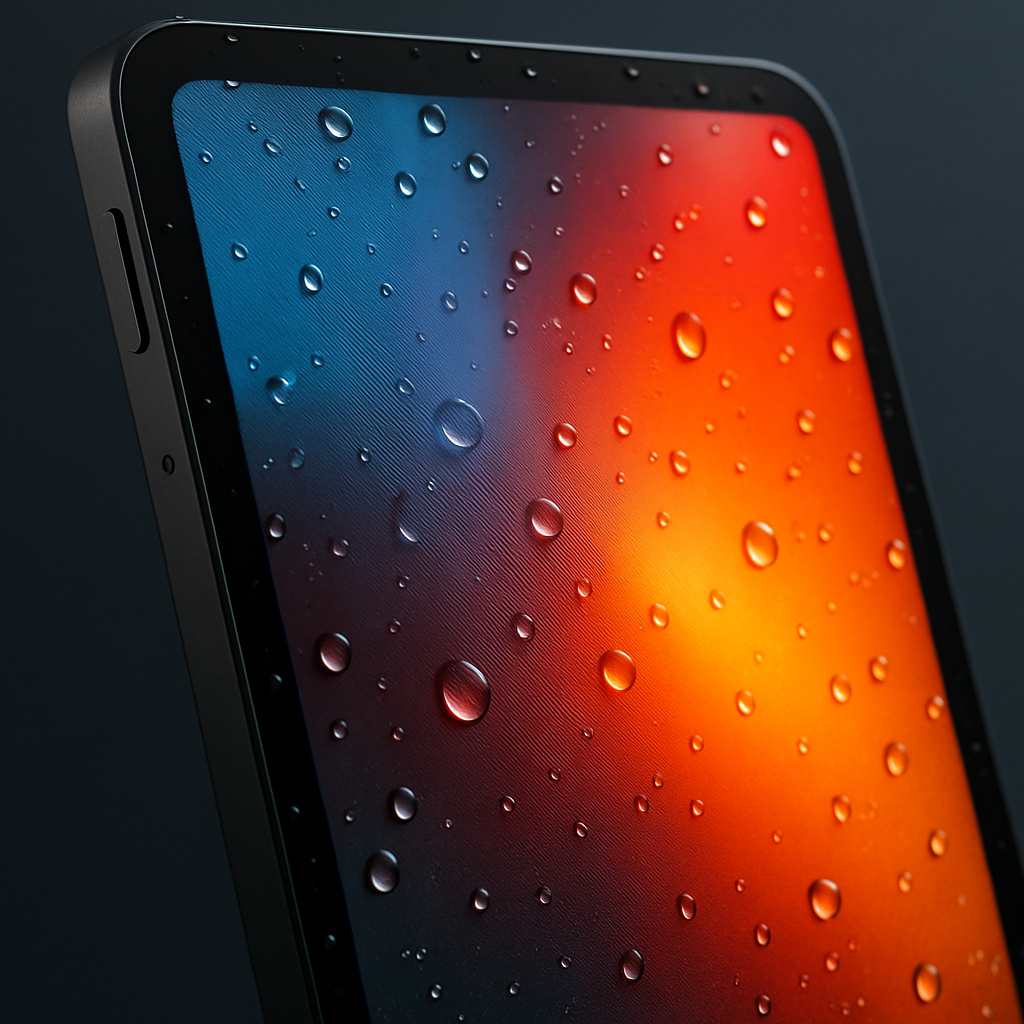
Apple is currently testing two display refresh rates — 60Hz and 120Hz ProMotion — for the upcoming iPad mini 8, though it hasn’t settled on which one will ship in the final product. This comes ahead of the device’s expected reveal later this month.
What we know so far
Insider reports highlight that Apple has evaluated both traditional 60Hz screens and the smoother 120Hz ProMotion display during development of the new iPad mini. Which version will make the cut remains uncertain as of now.
Beyond screen refresh rates, several other upgrades are on the table: the iPad mini 8 is likely to feature an OLED display, the upgraded A20 Pro chip, a front camera positioned for landscape use, a reworked speaker layout, and water resistance. These changes suggest Apple is aiming for a fairly significant leap over the current model.
Launch timing
The company appears poised to introduce the iPad mini 8 during its October event. Sources suggest that announcements could come on either October 27 or October 28.
Adding context: Apple didn’t adopt ProMotion in all its devices at once. The 120Hz refresh rate was first introduced in iPad Pro models, bringing noticeably smoother scrolling, better responsiveness, and improved tracking for stylus input. Whether Apple will include this across its smaller iPad line has been the subject of speculation. An OLED display would also mark a shift from the LCD panels Apple has used in recent mini models, aligning with its broader display technology push across iPads and Macs.
What this means is very deliberate: choosing between 60Hz and 120Hz isn’t just about smoothness. ProMotion displays can draw more power and cost more to produce, especially in smaller devices. Bumping the refresh rate could impact battery life or price — two areas Apple’ll have to balance carefully. The presence of the A20 Pro chip and enhanced speakers points toward Apple looking for quality gains across the device.
We’ll know soon whether Apple’s gamble pays off: the iPad mini 8 launch in late October could mark a turning point for the mini line. A 120Hz screen might make it a more serious contender for those who want pro-level smoothness in a compact form, while a 60Hz panel could help keep costs and power usage in check. Dealers, component suppliers, and customers all have skin in this game.