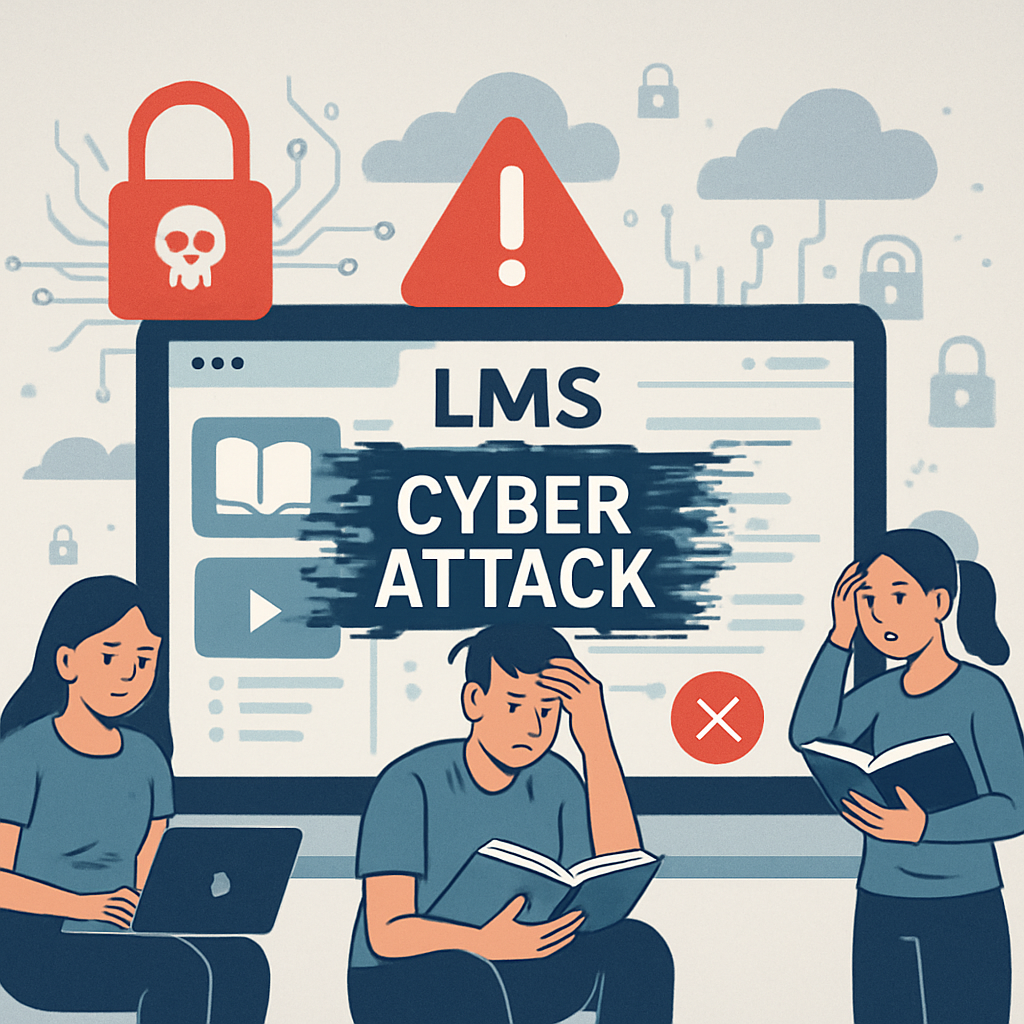
The notorious cybercriminal group ShinyHunters has taken credit for a recent cyberattack on an online Learning Management System (LMS), causing significant service disruptions for educational institutions and students across the United States. The platform has since been restored, but the incident underscores the vulnerabilities inherent in cloud-based education systems.
While specific technical details of the breach remain undisclosed, the FBI has confirmed ShinyHunters’ involvement. This group is infamous for large-scale data breaches and extortion campaigns, often targeting sectors like technology, finance, and retail. Their typical modus operandi involves exfiltrating vast amounts of sensitive data for financial gain through extortion or resale on underground marketplaces.
Following such breaches, ShinyHunters frequently employs aggressive extortion tactics. Victims may receive emails claiming access to sensitive information, with demands for payment. The FBI warns that these claims are often exaggerated or fabricated to pressure victims into compliance. In some cases, the group has escalated tactics to include threatening messages via SMS or phone calls, even targeting victims’ family members. Extreme measures have included “swatting,” where false emergency reports are made to trigger law enforcement responses.
Educational organizations are particularly vulnerable due to their reliance on cloud-based LMS platforms, integration with third-party services, and storage of sensitive student and faculty data. Compromised data can enable highly targeted spearphishing campaigns, where attackers impersonate trusted entities like faculty members or IT support teams, exploiting real-world context to make their attacks more convincing and harder to detect. Additionally, stolen data may be reused or sold to other threat actors, amplifying long-term risks.
The FBI advises affected individuals and institutions to avoid responding to extortion attempts and to await official communication from their educational providers. Key recommendations include verifying all suspicious communications through trusted channels before taking action, avoiding clicking on unknown links or downloading unsolicited attachments, refraining from sending payments to cybercriminals, and remaining cautious of messages claiming to be from schools, LMS providers, or law enforcement. Victims are encouraged to report incidents to the FBI’s Internet Crime Complaint Center (IC3) and retain all relevant evidence, including communication records and account details.
This incident highlights the escalating threat posed by cybercriminal groups targeting the education sector, emphasizing the need for stronger cybersecurity measures and vigilance among educational institutions.
Source: CyberSecurityNews