A new local privilege-escalation flaw has been claimed in Avast Antivirus, with a proof-of-concept (PoC) released that reportedly bypasses protections even on fully patched Windows 11 installations. The vulnerability—discovered by researcher “Chaotic Eclipse” (GitHub handle MSNightmare)—targets Avast’s Sandbox component and could allow attackers to gain SYSTEM-level access.
What’s at Risk
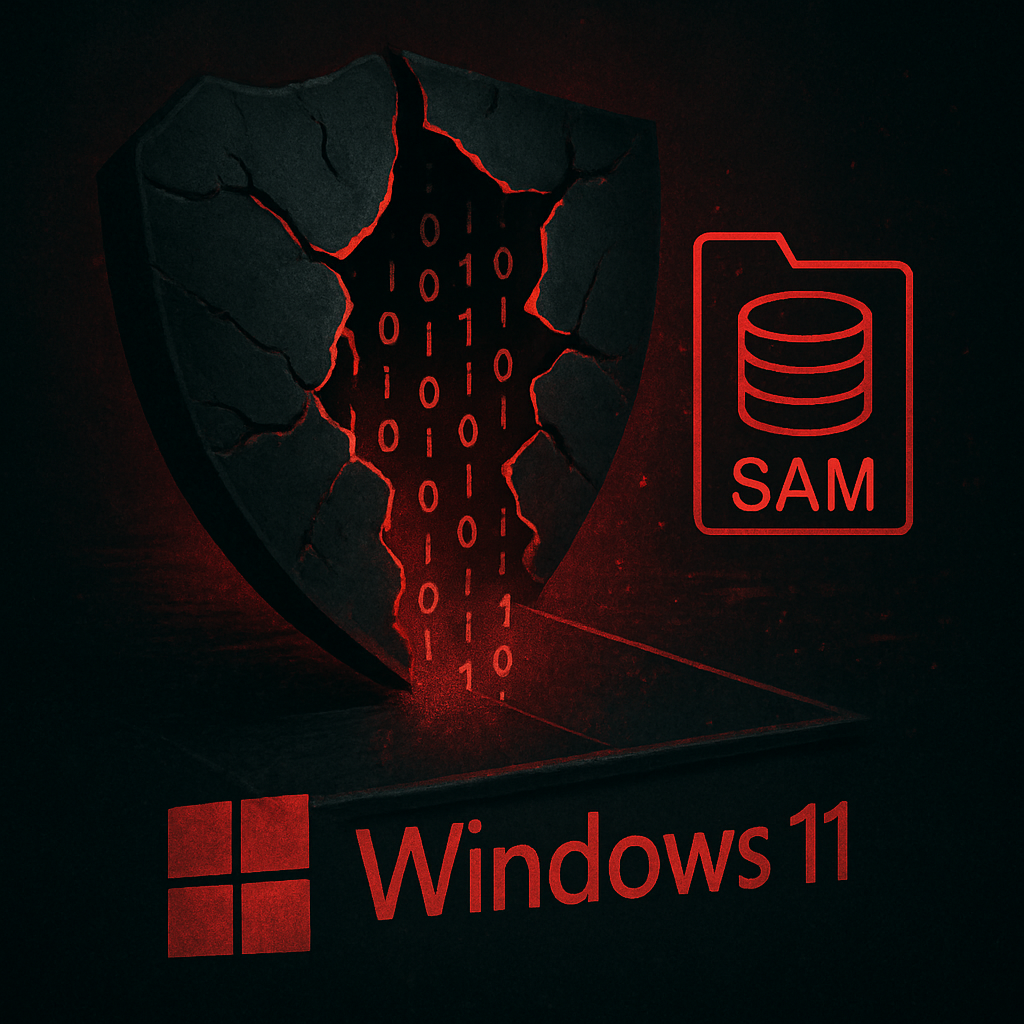
The issue centers on Avast Sandbox, the subsystem meant to contain suspicious files. The PoC demonstrates that, after initial code execution, the sandbox can be abused to read the Windows Security Account Manager (SAM) database and spawn a shell process under the NT AUTHORITY\SYSTEM security context. That level of privilege lets an attacker escalate from a limited user to full administrative power—enough to disable security controls, access protected credentials, or alter critical OS settings.
The researcher claims this vulnerability works on Avast Antivirus installations running the latest Windows 11 25H2, assuming both the AV software and OS are fully up to date. The PoC includes C and C++ sources, required Windows headers, a compiled x64 release, and supporting libraries. It was last updated on August 30, 2026, and made available publicly.
Questions Around Verification and Scope
While the PoC asserts compatibility with all versions of Avast Antivirus, no official advisory or CVE has confirmed that yet. Furthermore, speculation about similar vulnerabilities in other security products—specifically those from GenDigital, including AVG and Norton—has been floated, but without verified technical details. Until GenDigital weighs in, these claims should be treated cautiously.
Importantly, there’s no evidence so far of a security patch, coordinated vendor response, or mitigation strategy. That leaves systems using Avast Sandbox potentially exposed—especially in environments where privilege escalation could open doors to deeper compromise.
What Actions Organizations Should Take Now
Defensive teams should monitor for official GenDigital advisories and check their versions and configurations of Avast products. Key indicators to watch include: Avast-related sandbox services launching unexpected child processes; suspicious access to the SAM database; registry activities involving security hives; and any process suddenly running as SYSTEM without administrative justification. Endpoint detection rules should be adjusted to catch execution chains where low-privileged user processes interact with antivirus sandbox services, followed by privileged command interpreters or credential access tools.
Until a patch or vendor confirmation emerges, treat this finding as serious but unverified. Attackers gaining initial code execution remain a prerequisite, and there’s no proof yet of remote exploitation under default configurations.
What this means: organizations relying on Avast for protection must assume the worst—privilege escalation is among the most dangerous attacks once you’re inside the system. This lapse in isolation undermines one of the core trust pillars of endpoint defense. Going forward, watch for GenDigital’s response, any CVE assignment, and protective updates. The real test will be how fast patches or mitigations arrive—and how thoroughly they plug this hole without introducing new ones.