Science Corporation, a biotech venture founded by ex-Neuralink president Max Hodak in 2021, has secured $400 million in its Series D financing round, pushing the company’s valuation to $3.5 billion. Chief backers in this latest round include Khosla Ventures, the Ackman Oxman Institute, Tenet Healthcare, 885 Capital, Y Combinator, and PLC Neurotech.
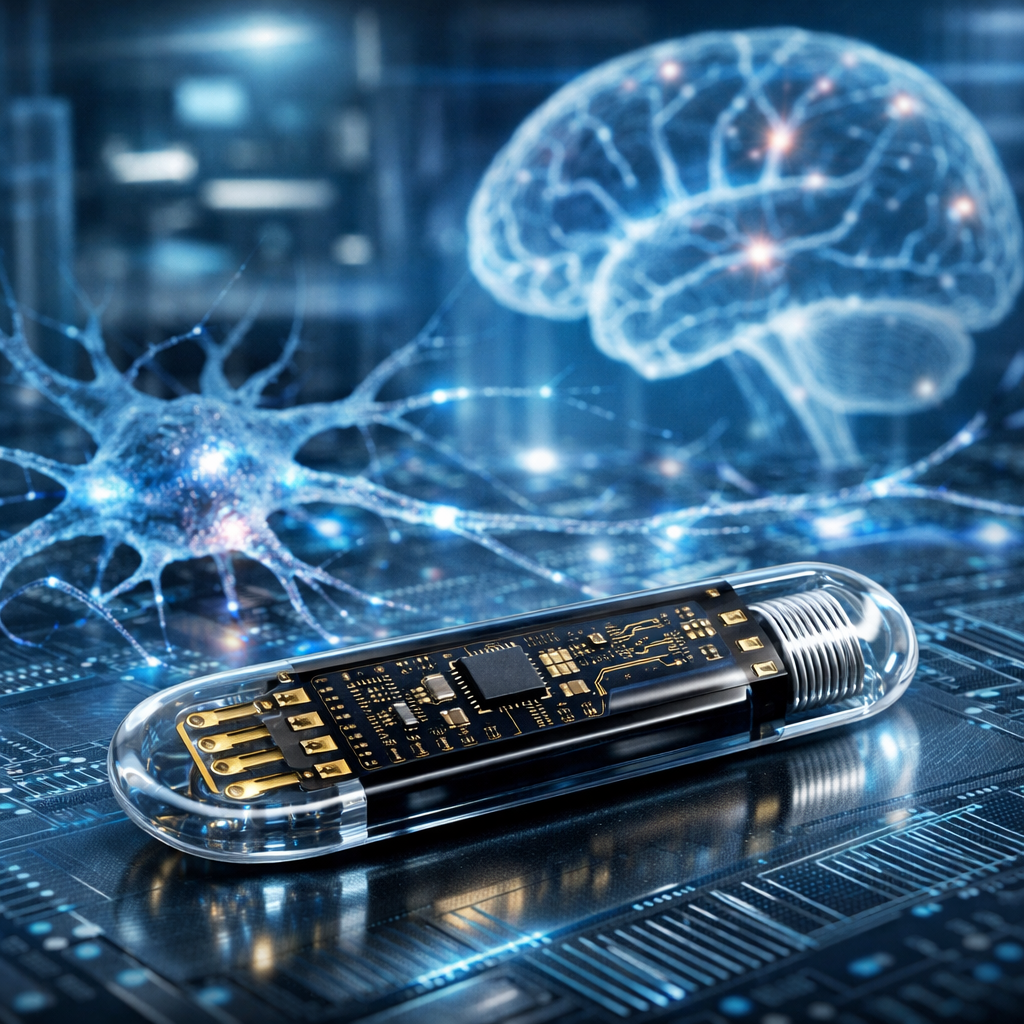
The startup’s primary product, PRIMA, consists of both wearable and implantable chip-based hardware designed to help people with age-related macular degeneration reclaim portions of their vision. PRIMA has gained approval in Europe, is commercially available in Germany, and is now being explored for additional vision-loss conditions.
At a presentation during TechCrunch Disrupt, Hodak revealed that clinical trials are underway for using PRIMA to treat Stargardt’s disease, another debilitating cause of blindness. The company plans to pursue FDA’s Humanitarian Device Exemption (HDE) in the US—a regulatory pathway permitting the use of experimental technology for treating rare conditions—on the grounds that advanced macular degeneration in both eyes qualifies as sufficiently uncommon under the law.
Looking Beyond Vision: Brain Interfaces Next
Although restoring vision is the immediate goal, Science Corporation’s ultimate mission centers on creating bio-hybrid neural interfaces. These devices combine cultured neurons with silicon components to enable direct communication with the human brain. In partnership with neurosurgery professor Murat Günel at Yale, the company is crafting designs for early human trials aimed at treating Parkinson’s disease and other neurological disorders.
Hodak’s journey in neuroscience began during his undergraduate years, when he managed to join a grad school lab—an early sign of his enduring commitment to biotech and neural engineering. Science Corporation represents the culmination of that work: a company that not only tackles vision restoration but also seeks to lay new groundwork in brain technology.
The fundraising positions Science Corporation among the most ambitious players in the emerging world of brain-tech startups. With this capital, the firm aims to accelerate both clinical development and regulatory efforts, especially in the US market. It also underlines heavier investor interest in neurotechnology, neuroprosthetics, and human-machine interfaces.
Why this matters: Science Corporation’s blend of implantable devices, regulatory breakthrough goals, and ambitions for neural interfaces places it at a pivotal intersection of biotech, neurology, and prosthetics. As it moves into human trials and pushes for FDA approval via HDE, the company could set new standards for how advanced sensory and neurological disabilities are treated. Keep an eye on upcoming trial data, regulatory decisions, and how competitive the field becomes—several firms are racing toward similar brain-engaging technologies, each with distinct technical and ethical challenges.