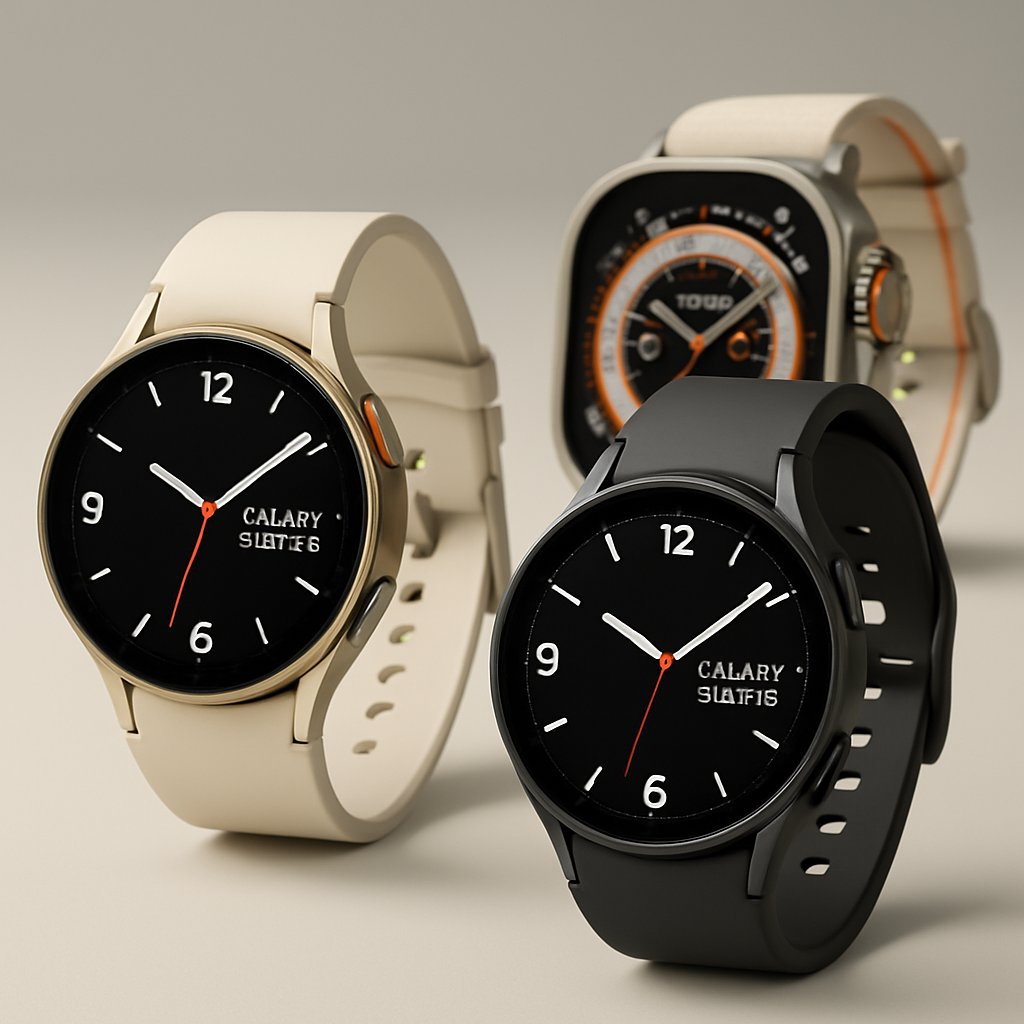
Samsung’s Galaxy Watch 9 is now selling for as low as $299 for the 40mm model in a new deal — a sharp discount of about $80 off its regular $379 price. This drop comes roughly two months after the smartwatch first launched. The deal applies to both cream and graphite variants with several band colors and styles available. The 44mm edition has also been knocked down to $349. Meanwhile, Samsung’s top-tier Galaxy Watch Ultra 2 is marked down to $579 from its usual $699.
What’s new in the Galaxy Watch 9 series
Released in late July, the Watch 9 brings a few internal upgrades, including Samsung’s shift to Snapdragon Wear Elite chipsets and improved vitals tracking features. Externally and in general design, it carries over much from its Watch 8 and Watch 7 predecessors. This series doesn’t include a “Classic” edition, but there is a more rugged Ultra variant for users who need enhanced durability and premium features. These changes reinforce that this is an evolutionary update focused more on hardware internals than radical design overhauls.
Why the price drop matters
Seeing a brand-new smartwatch drop by $80 just two months after launch is noteworthy — it signals aggressive pricing strategies in Fitbit, Apple, and Wear OS markets. While a $299 price tag may seem standard for mid-tier smartwatches, the Galaxy Watch 9 supports features uncommon at that price from past models, raising its value proposition. Even the 44mm upgrade holds appeal to those who want a larger display without a massive jump in cost.
These reductions could be tied to Samsung’s broader strategy of clearing inventory ahead of future product cycles, or simply adjusting to market demand. Ultra 2’s price cut also suggests that even high-end models are subject to pricing pressures. For consumers, this means now is one of the better times this year to get a Watch 9 without needing to wait for major sales events or using trade-ins.
Analytically, this price movement reflects how competitive the smartwatch market has gotten. With brands pushing new health sensors, more powerful chips, and refined software experiences, staying at full MSRP is increasingly tough. This deal could serve as a benchmark: other companies may feel pressure to adjust pricing or enhance their resale value early. Watch users deciding when to buy should pay attention — Samsung might not keep prices this low for long.