NASA Temporarily Relocates ISS Astronauts to SpaceX’s Dragon Amid Service Module Leak
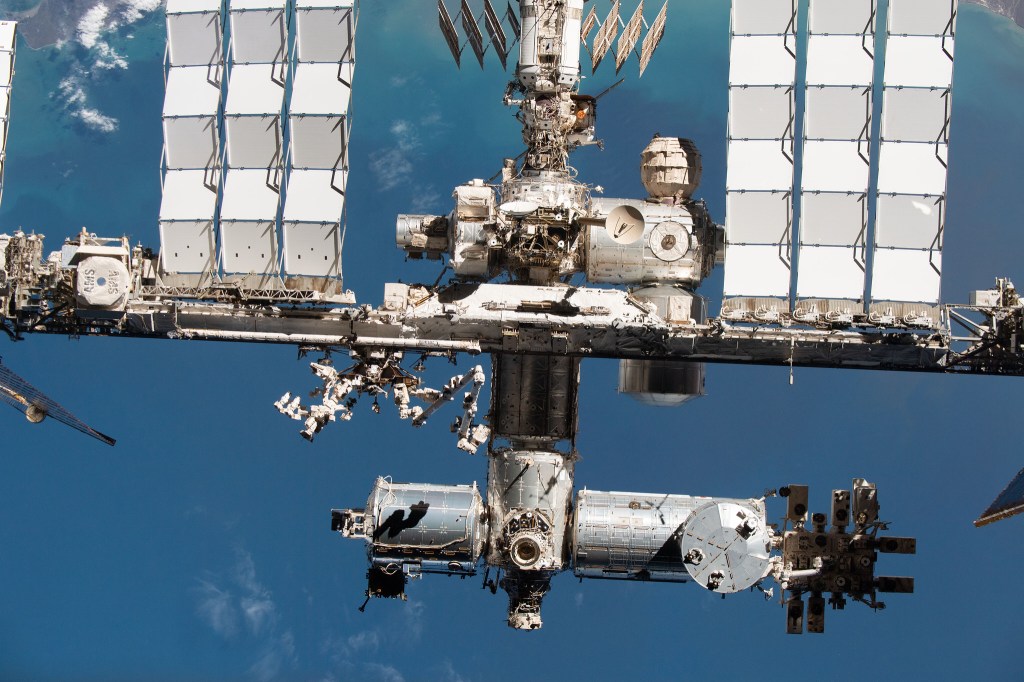
On June 5, 2026, NASA took precautionary measures by instructing five astronauts aboard the International Space Station (ISS) to temporarily relocate to the docked SpaceX Crew Dragon spacecraft. This decision was prompted by the detection of new leaks in the Russian service module, necessitating immediate attention and repair efforts by Roscosmos, Russia’s space agency.
Bethany Stevens, a NASA spokesperson, announced via X (formerly Twitter) that Roscosmos had identified additional leaks in its service module and had initiated an extensive repair operation. She stated, Out of an abundance of caution, NASA has directed all four of the agency’s SpaceX Crew-12 members and NASA astronaut Chris Williams to assume an elevated safety posture in the Dragon spacecraft while the repair is underway. Stevens emphasized the collaborative efforts with Russian counterparts and the international community to find a permanent solution to the issue.
Approximately an hour later, Stevens provided an update indicating that Roscosmos had paused their repair activities to gather more measurements and data. Consequently, NASA instructed the crew members to conclude the safe haven procedures and resume their regular operations aboard the ISS.
The Russian service module has experienced persistent leak issues over time. Stevens noted that these cracks have consistently been a concern closely monitored by NASA.
Currently, the ISS hosts ten crew members. Four of them—two NASA astronauts, one European Space Agency astronaut, and one Russian cosmonaut—arrived in February as part of the long-duration SpaceX Crew-12 Dragon mission. The remaining three—one NASA astronaut and two Russian cosmonauts—arrived last November aboard a Russian Soyuz mission.
This incident occurs amid discussions about the future of the ISS. Under the leadership of Administrator Jared Isaacman, NASA is advocating for the replacement of the aging space station with commercially produced modules later this decade.