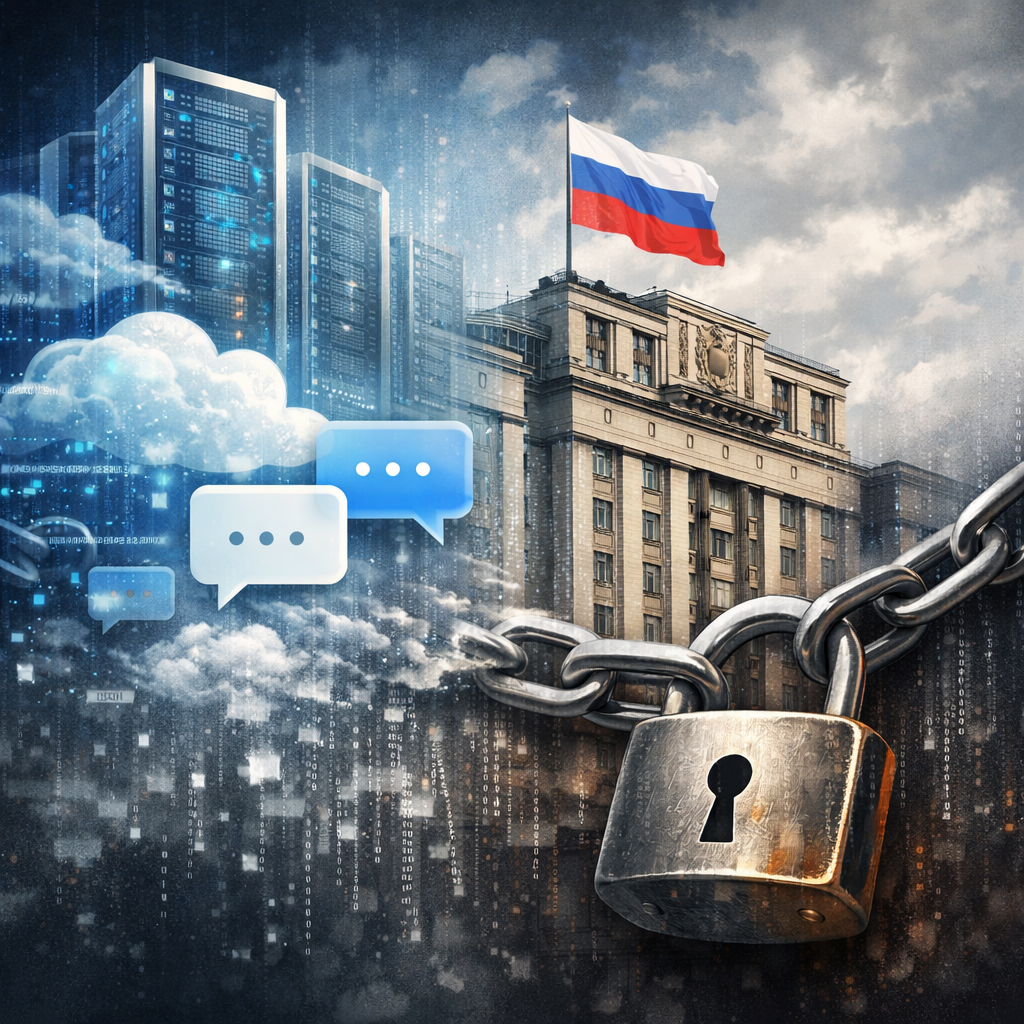
In a major escalation of digital oversight, Russia has added Apple and Microsoft to its state surveillance registry, obligating them to store user communications — including messaging, audio, and video — and hand that data over to Russian security forces upon request. The regulation also demands companies retain user account information and metadata for three years. Companies that flout these rules risk fines or having their services restricted in the country.
What’s in Russia’s New Regulation
As of October 2, Apple and Microsoft joined the “organizers of information dissemination” list overseen by Russia’s communications watchdog, Roskomnadzor. This status requires these firms to store local users’ correspondence, audio and video communications, and the metadata around them. In addition, they must retain data about users and how messages are transmitted for three continuous years. Any noncompliance—especially with demands to turn over data—can lead to financial penalties or service limitations.
Growing Pressure on Big Tech in Russia
These recent additions bring Apple and Microsoft into the same surveillance framework already applied to services like WhatsApp, Telegram, Snapchat, Google Meet, Cloudflare, and others—platforms long under Russia’s legal reach. Messages, voice, video, and user metadata are all subject to collection and transmission to the Russian government when requested.
Apple’s dealings in Russia have been strained since its operations were hit by sanctions and trade restrictions in 2022. While it suspended product sales and exports, it kept the App Store active in the country. But these operations have faced friction: payment limitations were imposed in April prohibiting new purchases or subscription renewals without an existing account balance; Apple was forced to remove apps from App Store, including VK apps and those tied to sanctioned financial institutions; and Russia initiated antitrust proceedings in August over Apple’s failure to preload state-backed messaging and marketplace apps.
Neither Apple nor Microsoft has publicly addressed the new surveillance requirement, and it remains unclear whether they intend to comply fully with the storage and disclosure mandates.
The stakes are high: Russia has already blocked or limited access to messaging services like Signal, Telegram, and Apple’s FaceTime in response to foreign apps that resist compliance. By bringing Apple and Microsoft under this registry, the pressure to comply with data retention and handover requirements becomes significantly more forceful.
For Russian users of Apple devices and services, this translates into greater exposure. Communications once deemed private may soon be stored or shared under demand. For Apple, legally and ethically navigating this environment could mean major shifts to how it handles user data globally when operating under more authoritarian regimes.
Analysis: This development marks a turning point in how Russia wields regulatory power over global tech giants. For Apple, Microsoft, and similar firms, the move raises troubling questions about user privacy, operational compliance, and corporate ethics. Watch closely whether they attempt to push back—legally or technically—or alter their policies outside of Russia to safeguard global user trust. The broader trend suggests a rising cost of doing business when global platforms intersect with assertive state surveillance laws.