Apple’s strategy of hiking iPhone prices appears to be paying off in India. Despite concerns globally that premium costs might hurt sales, demand for the iPhone 18 Pro is up about 20% compared to the iPhone 17 Pro at the same point in 2025. Meanwhile, Apple’s market share in India is projected to hit 10% in 2026—possibly its first time breaking into double digits in a single calendar year. Previously in 2022, that share stood at just 4%.
Aspirational Appeal & Financing Wins
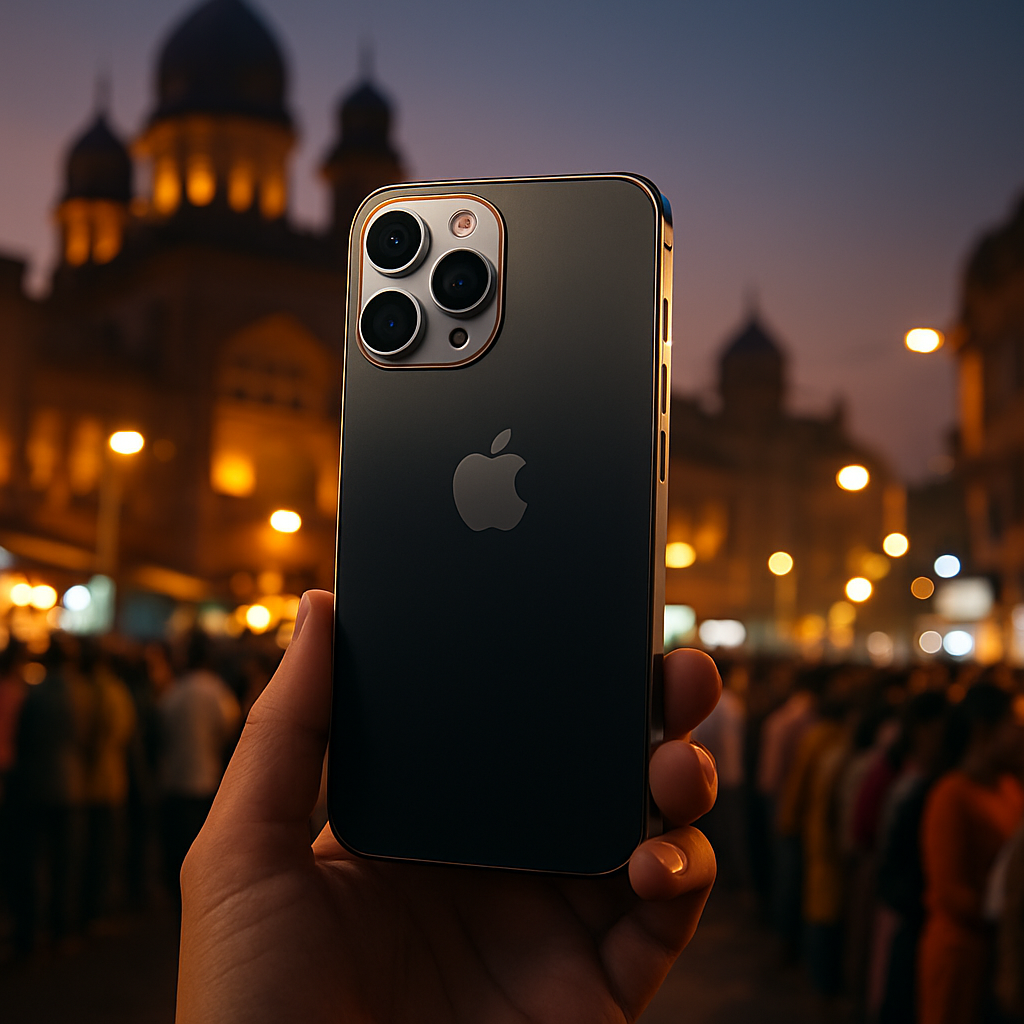
The surge in demand isn’t being driven by major upgrades or standout features. Rather, it’s the prestige of owning the newest iPhone that’s resonating with consumers. On September 18, when the latest models launched, buyers in cities like Mumbai traveled for hours and waited up to ten hours in lines to get their hands on the device. For many, the higher price reinforces the idea of exclusivity—turning the iPhone into more than just a gadget.
Key to maintaining this trend are flexible payment plans. In India, the base iPhone 18 Pro now costs the equivalent of approximately $1,700. However, zero-interest financing options allow buyers to spread payments over a year with less than 10% due each month. These programs are helping offset sticker shock and enabling people to afford the aspirational price tag.
Broader Dynamics & Potential Headwinds
Apple’s growing prestige in India comes even as overall sales slipped during the June quarter—largely attributed to supply constraints. That said, the long-term growth trend has held steady for four years. What’s more, Apple isn’t the only premium brand finding opportunity in this wave of “premiumization,” but it seems to be among the biggest beneficiaries. In contrast, makers of entry-level smartphones are seeing sharp sales drops since early 2026.
The company faces risks. Apple must balance maintaining aspirational pricing with keeping financing accessible. If payments become onerous or prices climb too steeply, the premium appeal could give way to backlash or lower sales. There are also external pressures: among them, damage to the reputation of iPhone factories amid environmental and cyber incidents, ongoing global trade tensions, and tax or policy shifts. One positive note: India has recently offered tax breaks favorable to Apple, and Apple Pay may be launched soon, initially with limited bank partners, further strengthening the premium ecosystem around the device.
What it all shows is a transformation in consumer behavior in India. Higher iPhone prices aren’t pushing buyers away—they’re pulling them in. Ownership of the newest iPhone has become a status symbol, especially when paired with flexible pay-later schemes. What to watch now: product innovations that support this image, the sustainability of financing offers, and how rival smartphone makers compete in a market where premium perception may be more powerful than specs.