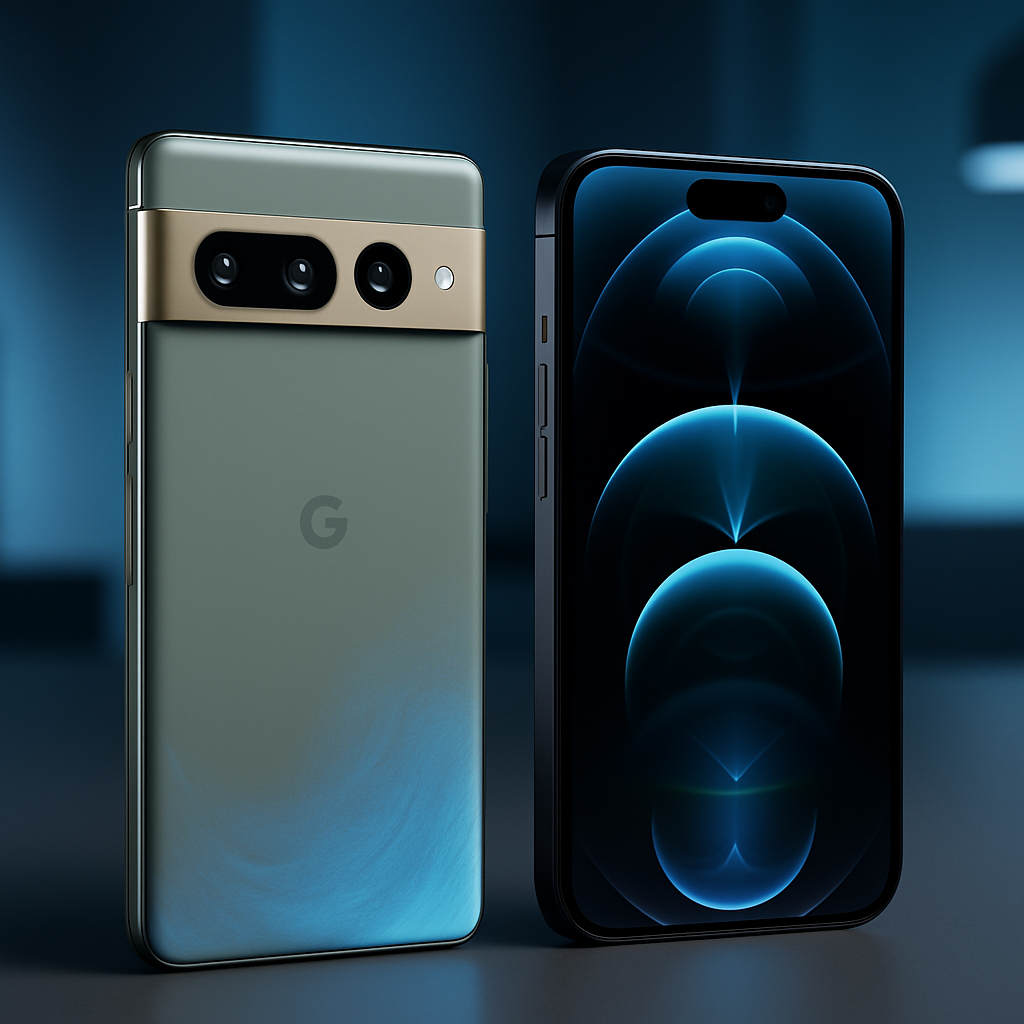
Two flagship smartphones—Google’s Pixel 11 Pro and Apple’s iPhone 18 Pro—have dropped, and by most visible measures, you could be forgiven for thinking each one is just a rerun of its predecessor. Design, for instance, has barely shifted. Beyond new hues, both phones look almost identical to last year’s models. That’s become the norm for high-end smartphones as companies settle into design maturity rather than pushing radical changes. What’s shifted this cycle matters, but it’s subtle.
What’s truly new
Apple’s iPhone 18 Pro introduces two headline updates in its camera system: a shrunken Dynamic Island and a variable aperture lens for its main camera. The expanded base aperture—now f/1.4—boosts light capture by about 50%, aiding low-light performance. Meanwhile, the variable aperture helps maintain sharpness in bright settings, giving more control to those shooting video or wide-open photography. Yet in everyday use, the visual differences are modest, especially beyond extreme close-ups. Depth-of-field changes are mostly visible when subjects are very close to the lens.
Google’s Pixel 11 Pro leans harder into software and AI as its differentiator. The standout feature is “Camera Looks,” which offers deeper manual control for photos. The Pixel’s imaging continues to be more flexibly engineered, with tools that both newcomers and enthusiasts will find useful. As for raw performance, Apple’s A20 chip outpaces Google’s Tensor G6, especially in power and efficiency. But Google bridges some of that through AI innovations. Its Gemini system and proactive assistance features are integrated more seamlessly into day-to-day use.
Are these phones worth upgrading?
If you already own last year’s Pixel 10 Pro or iPhone 17 Pro, the incentive to upgrade is slim. The upgrades are evolutionary—not revolutionary. Unless you care deeply about finer camera tweaks, sharper video, or sharper photos under specific conditions, sticking with what you have remains sensible. For those in the premium smartphone market, it’s again the iPhone that delivers more bang for the buck this year. Across nearly every major category—performance, system polish, camera versatility—Apple edges ahead.
The Pixel 11 Pro still has strong appeal: impressive AI smarts, competitive still-shots, and excellent software experience. But its compromises are more noticeable when held up against the iPhone 18 Pro. Apple gains less credit for flashy new features—there are fewer of those anyway—but more for crafting a package that outperforms without needing big leaps of faith.
This year’s releases reveal something broader about where the smartphone industry is. When two top-tier phones make minimal design changes yet deliver better camera tweaks and performance under the hood, it suggests we’re entering a phase of refinement. Below the surface, innovation starts to matter more than what we see at a glance. Watch for software and AI to become the true battlegrounds—even more than chip speed or hardware specs. For buyers, the question may shift from “what’s new” to “what difference it makes in real life.” The Pixel 11 Pro makes strong strides in features, but this cycle really belongs to Apple—at least if all you want is the strongest all-round package without chasing gimmicks.