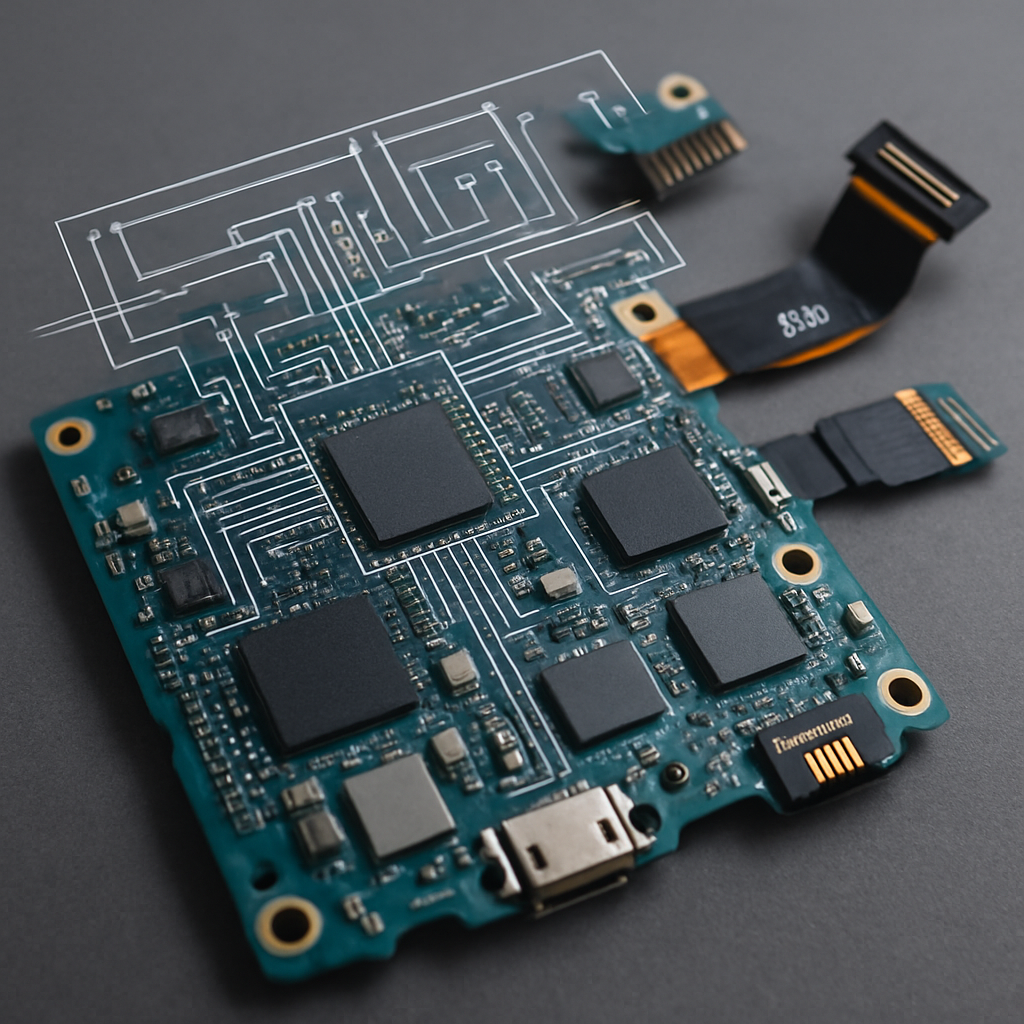
Images claiming to show the motherboard of Apple’s anticipated folding iPhone, likely branded as the iPhone Ultra, have surfaced, adding weight to rumors as the device’s rumored launch draws near. Two separate leaks—one from a leaker called Lusi Roy and another from Chinese firm Findmeow~—present similar components, mounting tags, and annotation patterns that suggest they may depict the same hardware.
Lusi Roy shared a brief video and still photos showing what appears to be this folding-display phone’s motherboard. The images include labelled areas, possibly pointing to specific chips or modules. In parallel, Findmeow~ posted a detailed graphic on Weibo that resembles a schematic, also annotated—though largely with reference numbers. That schematic credits a repair service known as Mijing Tools.
Signs That the Leak May Be Genuine
The two leaks align on multiple elements: several annotation styles, component placements, and general board layout. While one leak is photographic and concrete, the other is more diagrammatic. Yet both maps share enough unique markers that analysts believe they are looking at the same circuit board. The overlap makes it harder to dismiss these images as entirely fabricated.
The inclusion of a repair shop like Mijing Tools is noteworthy because Apple seldom leaks repair-level documentation or internal component layouts. Past instances usually involved authorized partners or reverse engineering activities, but rarely advanced schematics linked to Apple’s premium hardware.
What’s Next—and What This Suggests
Apple is widely expected to reveal its first foldable iPhone on September 9, 2026. The mounting evidence—increasingly detailed leaks of components—suggests manufacturing is already well underway. That may include prototype teardown or documentation reaching third parties.
Even so, some skepticism remains. Photos can be manipulated and schematics copied or altered. Until a verified device is opened and inspected by professionals or trusted insiders, the authenticity of these motherboard leaks cannot be confirmed.
Why this matters: If real, these images provide early confirmation of how Apple is engineering its foldable iPhone—component placement, repairability, and design constraints all become clearer. It also raises questions about how well Apple is protecting its trade secrets in the final stretch before announcement.
As launch day closes in, what to watch for is an official confirmation or denial, possibly via regulatory filings, supply chain disclosures, or trusted repair analysts gaining access. If these leaks are accurate, they may reshape expectations for performance, durability, and repairability in Apple’s folding phone strategy.