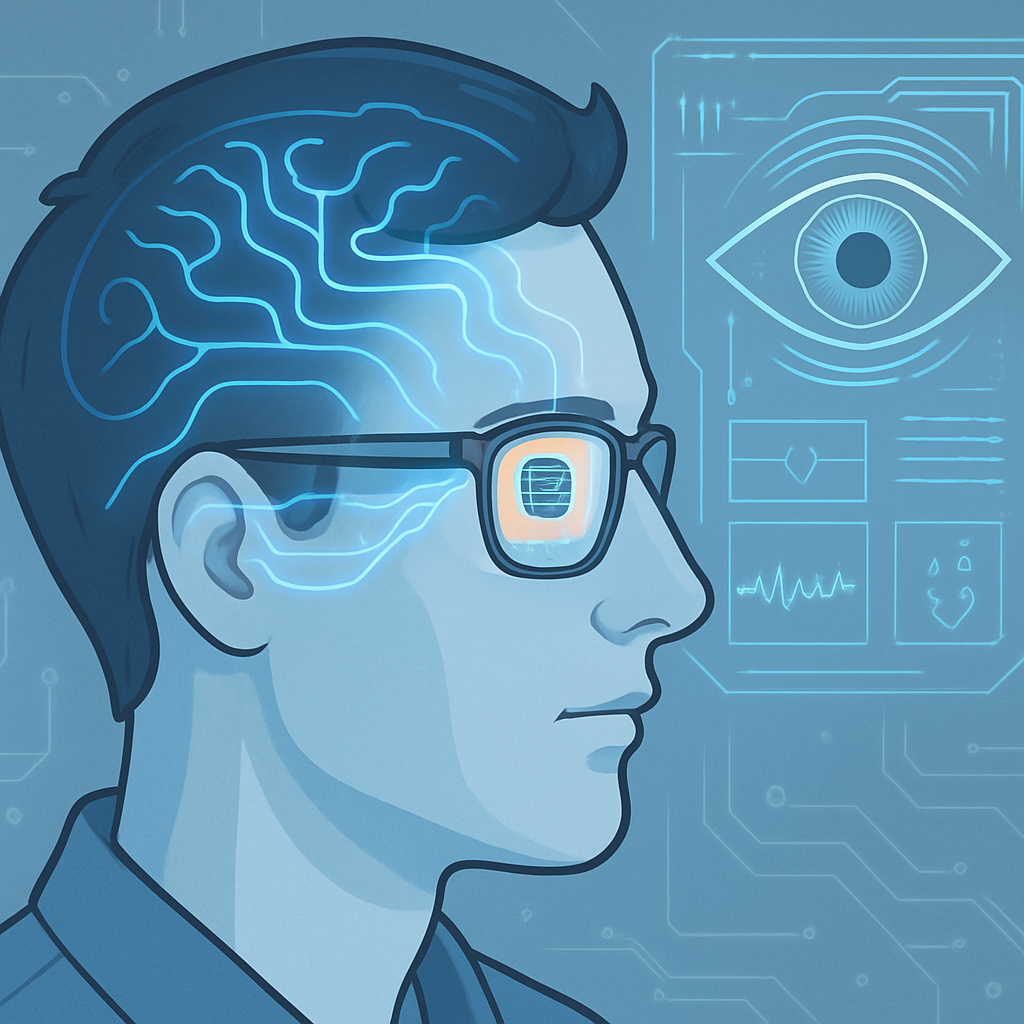
Max Hodak, co-founder of Neuralink and now CEO of Science Corporation, predicts that the era of traditional screens is coming to a close. At TechCrunch Disrupt 2026, Hodak laid out his case for why interfaces between humans and machines are on the verge of a radical shift—moving away from keyboards, taps, and displays toward direct brain-computer interaction. He believes this paradigm change will redefine how we engage with technology.
Science Corporation, the company Hodak founded in 2021 after departing Neuralink, is developing neural engineering solutions that support vision, cognition, and mobility. One of its leading projects is the PRIMA implant. This device, paired with a camera-equipped glasses setup, transmits visual scenes directly to a chip implanted in the retina—offering restored sight for people with severe vision impairment. The firm has raised $230 million in its latest funding round, giving it a valuation of $1.5 billion.
Hodak’s journey reflects his longstanding belief that the human-machine interface is due for reinvention. He began programming as a child, studied biomedical engineering at Duke University, and gained experience with Miguel Nicolelis’ lab, which focuses on brain-computer interfaces. Before founding Science Corporation, he was involved in Transcriptic, an automation lab services startup, and of course Neuralink, where he played a key role in bringing neural implants into public consciousness.
Beyond Screens: What’s Next for Interfaces
According to Hodak, the next era in computing will be less about the rigid barrier of a screen and more about an adaptive, seamless connection between the nervous system and external hardware. Brain-implanted sensors could not only enable new forms of interaction but also tackle health challenges: restoring damaged brain cells, detecting seizures early, or even treating conditions like Parkinson’s disease.
This new vision of the future was the focus of Hodak’s “Beyond Screens” session at Disrupt, where he shared these ideas with thousands of tech leaders, founders, and investors. Science Corporation aims to show—not just tell—how removing the ordinary screen could lead to more natural, inclusive, and powerful interactions with technology.
Science Corporation’s advancements, particularly with PRIMA, push the boundaries of not just interface design but quality of life for those living with sensory or neurological impairments. In building toward a post-screen world, Hodak places the human brain at the center, rather than making us adapt to limited input devices.
Why this matters: as AI, sensors, and neural engineering all accelerate, the way we perceive, interact with, and even sense our digital tools is changing. The traditional screen—once the universal gateway—may increasingly be seen as just one option—and a diminishing one. Hodak’s approach isn’t simply futuristic—it’s grounded in clinical trials and engineering breakthroughs that hint at what could soon be mainstream.
What to watch for: Strong results from Science Corporation’s human trials; regulatory pathways cleared for brain implants; broader ethical, privacy, and safety frameworks; mainstream uses beyond medical interventions. If Hodak is right, the interface revolution will touch all our lives.