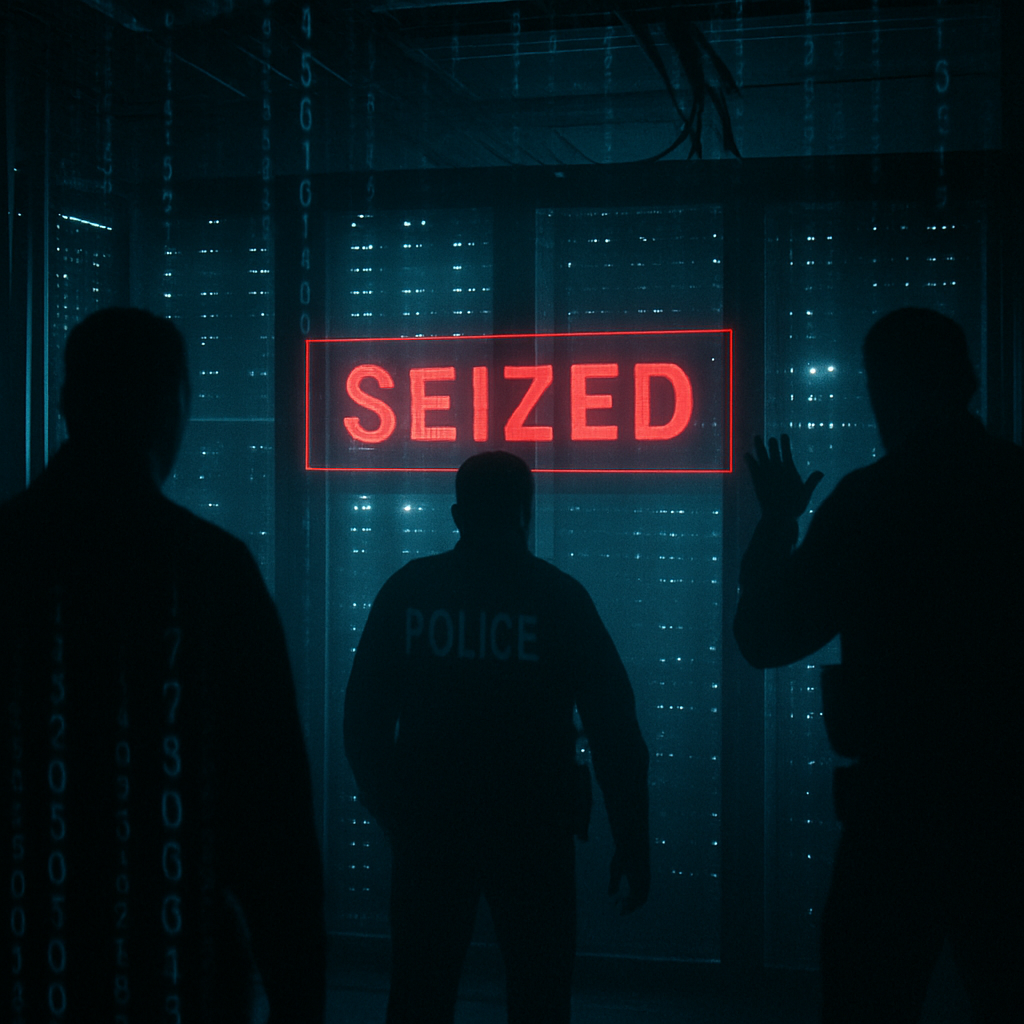
International law enforcement has dismantled major damage from the KillSec ransomware group, naming a 16-year-old resident as its suspected administrator. In a coordinated sweep involving agencies from nine countries, authorities seized the group’s servers, source data, and arrested three individuals linked to the network. The move is aimed at crippling the group’s ability to extort and leak stolen files.
How KillSec Operated
Active since 2024, KillSec is accused of launching nearly 1,000 attacks globally, exploiting weak software defenses, misconfigured cloud storage, and poorly secured access points to infiltrate targets. Once inside, the group allegedly copied sensitive data, demanded ransoms, and threatened public exposure of the files—if victims failed to pay. Their method aligns with “double extortion,” where the fear of data leaks works alongside encryption as a pressure tactic.
Scope of the Takedown
The operation saw collaboration across Belgium, Finland, Germany, Greece, Romania, Spain, Switzerland, the UK, and the US, under coordination from Eurojust and Europol. In four of those countries—Belgium, Germany, Greece, and Romania—a joint investigative team ran parallel efforts to identify and dismantle the network. Europol aided by tracing cryptocurrency transactions, analyzing digital evidence, and liaising with private sector partners.
On action day, search warrants were carried out in Spain, Greece, the UK, and Romania. Authorities seized at least 110 terabytes of stolen data and removed five servers believed to house pilfered victim files. KillSec’s leak sites and domain infrastructure were also taken offline.
Who Was Involved
The teen identified as the group’s leader is believed to have helmed administrative operations. Another individual, formerly under 18, was flagged as a suspected developer, with parts of the group’s conduct alleged to have happened while they were still a minor. Others in the organization reportedly managed negotiation, affiliates, and development arms, all using encrypted messaging and aliases to mask their true identities.
Implications and Lessons
This takedown is expected to provide insights into victims unaware of their involvement. As prosecutors review seized evidence—including devices, servers, and financial trails—new links to other actors, ransom payments, or additional claims may emerge. It underscores just how vulnerable organizations remain when cloud access, identity controls, and backups are mismanaged.
Security experts recommend a checklist of protections: enforce multi-factor authentication, patch internet-facing systems swiftly, rigidly control cloud permissions, monitor anomalous data transfers, and maintain reliable backups. Healthcare entities, in particular, which have already seen exposure due to glazed cloud configurations, are pinpointed as especially at risk.
Beyond the headlines: this arrest hits at the heart of ransomware operations—administrative control and infrastructure. The role of minors in such schemes highlights growing concerns over youthful involvement in cybercrime and the legal complexities that follow.
Why it matters: Disrupting KillSec’s infrastructure demonstrates the potency of multinational cooperation against ransomware. But the case shows prevention—via security hygiene, cloud safety, and identity management—is still far more effective than damage control. Moving forward, we’ll be watching who else is exposed in the evidence, how prosecutions move forward across borders, and whether other ransomware rings using similar double-extortion models get targeted next.