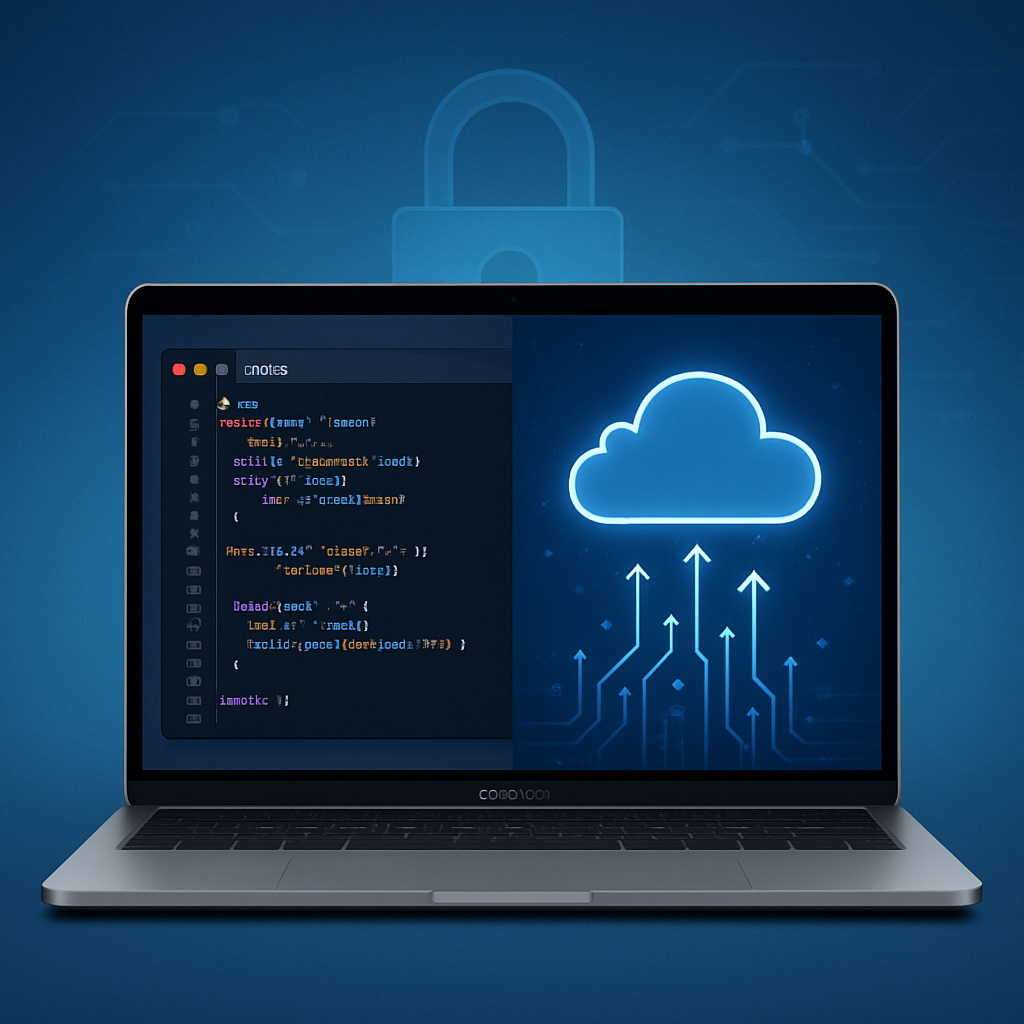
Perplexity has rolled out a new feature called Hybrid Compute for its Mac app, aiming to bolster privacy by dividing AI tasks between local models and cloud-based ones. The system automatically detects personal or sensitive content—like names, phone numbers, or other personally identifiable information (PII)—and routes those segments to run entirely on the user’s device, while less sensitive data can take advantage of more powerful cloud models. This update follows earlier in 2026 when Perplexity added features allowing the app to control other Mac applications.
How It Works
When a user activates Hybrid Compute, Perplexity scans whatever document or input it’s working on. If the app flags any portion as private or sensitive, it pauses to give the user options — either process that part locally, keep it private on-device, mask sensitive details, or outright refuse to send that data to the cloud. For the non-sensitive remainder, the task proceeds using cloud-based LLMs.
To back this up, Perplexity introduced PII-TRACE (Tracing Recurring PII Across Conversational Exchanges), designed to act as a benchmark for detecting personal data. The company has made the PII-TRACE code open source to demonstrate accountability and allow peer review.
Challenges & Risks Remaining
A core issue is whether the detection of personal info is accurate enough. If the system misidentifies sensitive content or routes it improperly, the privacy promise falls apart. There’s also the question of how cleanly it can split tasks in practice. Transparency around what counts as “private” will be crucial.
Perplexity hasn’t always enjoyed perfect trust. The company has faced criticism in the past over its handling of data. With Hybrid Compute, users—and privacy experts—will want to test how well the privacy safeguards hold up in real-world usage.
Estimating practical impact: For users who handle sensitive documents—legal, medical, identity-related—this could be a big win. For casual users, the benefit may be less visible but still valuable as a step toward setting higher privacy standards in AI tools.
What to Watch For: How well PII detection works under diverse scenarios; whether any private data still leaks; how easy it is for users to override or configure Hybrid Compute behavior; and whether open sourcing PII-TRACE leads to meaningful independent audits.
From a broader perspective, Perplexity’s move underscores a growing trend: balancing performance from cloud AI models with strict privacy rules enforced at the device level. As more AI tools adopt this hybrid model, standards for what constitutes personal data and how it’s handled will become central to trust in AI.
— Analyst Note: This marks a visible shift toward user-centric privacy in AI workflows. Perplexity’s Hybrid Compute could become a model others emulate—if its privacy gates hold up under scrutiny and truly prevent sensitive data from leaking into the cloud.