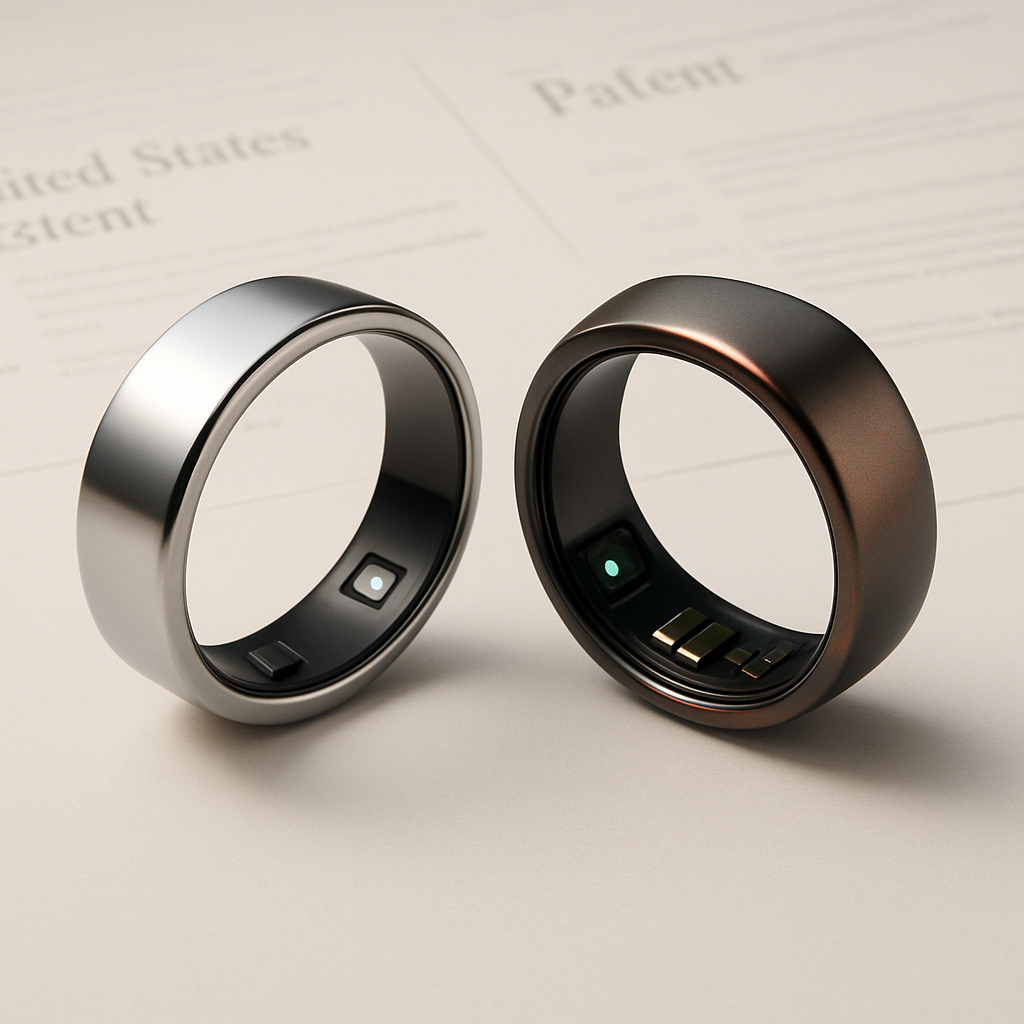
Wearable tech rivalries just got hotter. Oura has filed a fresh lawsuit against Ultrahuman, targeting the India-based startup’s Ring Pro and threatening its presence in the U.S. market just as Ultrahuman was making a comeback. The action comes after Oura claimed that Ring Pro violates two of its patents tied to internal design elements like sensors and battery components.
Background: Bans, Imports, and Redesigns
The legal fray isn’t new. Last year, Oura secured an import ban on Ultrahuman’s Ring Air thanks to a ruling from the U.S. International Trade Commission, which found that device infringed Oura patents. Ultrahuman responded by redesigning its hardware, leading to the launch of Ring Pro in February. Following that redesign, U.S. Customs and Border Protection lifted restrictions in March, allowing the device back into U.S. storefronts.
The New Patent Claims and Players
Oura’s updated complaint, filed in a federal court in Texas, names two patents: D804,471 and 12,769,363. The latter was granted on October 20, mere days before the case was filed. It covers a ring design that includes internal curved battery, circuit board, magnets, and sensors. Oura isn’t stopping with Ultrahuman—it has also named SVTronics, a manufacturer in Texas that reportedly builds the Ring Pro under Ultrahuman’s direction, as a defendant. The lawsuit seeks both monetary damages and a permanent injunction to halt U.S. sales.
This is far from Oura’s first suit. Its legal strategy has previously targeted companies like Samsung, RingConn, Circular, and Zepp Health. While some of those cases have gone to settlement, resulting in licensing deals and royalty payments, others remain unresolved. It’s a pattern of enforcement that has helped shape the competitive landscape for smart rings.
Market Stakes: Growth, Valuation, and Strategy
The smart ring category is expanding rapidly, with global shipments projected to grow 12.8% this year toward 4.9 million units, and climbing toward an estimated 6.3 million by 2030. In this rising market, Oura remains one of the more established players. Ultrahuman, meanwhile, has been carving out space with recent funding moves and technological ambitions beyond health metrics, including AI and gaming.
Ultrahuman’s last funding round in September pulled in $70 million from investors like Qualcomm Ventures and Labcorp, placing its valuation around $365 million. At the same time, Oura has been busy too—though it recently shelved a $2.2 billion IPO, the company also rolled out new fitness metrics aimed at improved cardiovascular tracking.
Where It Goes From Here
Oura’s new lawsuit could once again shake Ultrahuman’s U.S. plans. Now that Ring Pro is back on American shelves after navigating import bans and redesigns, a successful injunction could reverse those gains. The stakes—for both the companies and consumers—are high.
What this means: Patent wars in the wearables space are accelerating. For Ultrahuman, responding to these legal threats is becoming as important as innovating with sensors or health features. For Oura, vigilant protection of design IP is clearly central to its strategy. Moving forward, legal outcomes will likely play as big a role as technical specs in deciding who leads the smart ring market.