inDrive, the ride-hailing rival of Uber known for its fare negotiation model, is teaming up with Pony.ai and Nvidia to test robotaxis in Central Asia beginning in 2027. The companies signed a memorandum of understanding to explore integrating Pony.ai’s driverless vehicle technology onto inDrive’s platform in Kazakhstan.
How the trial setup looks
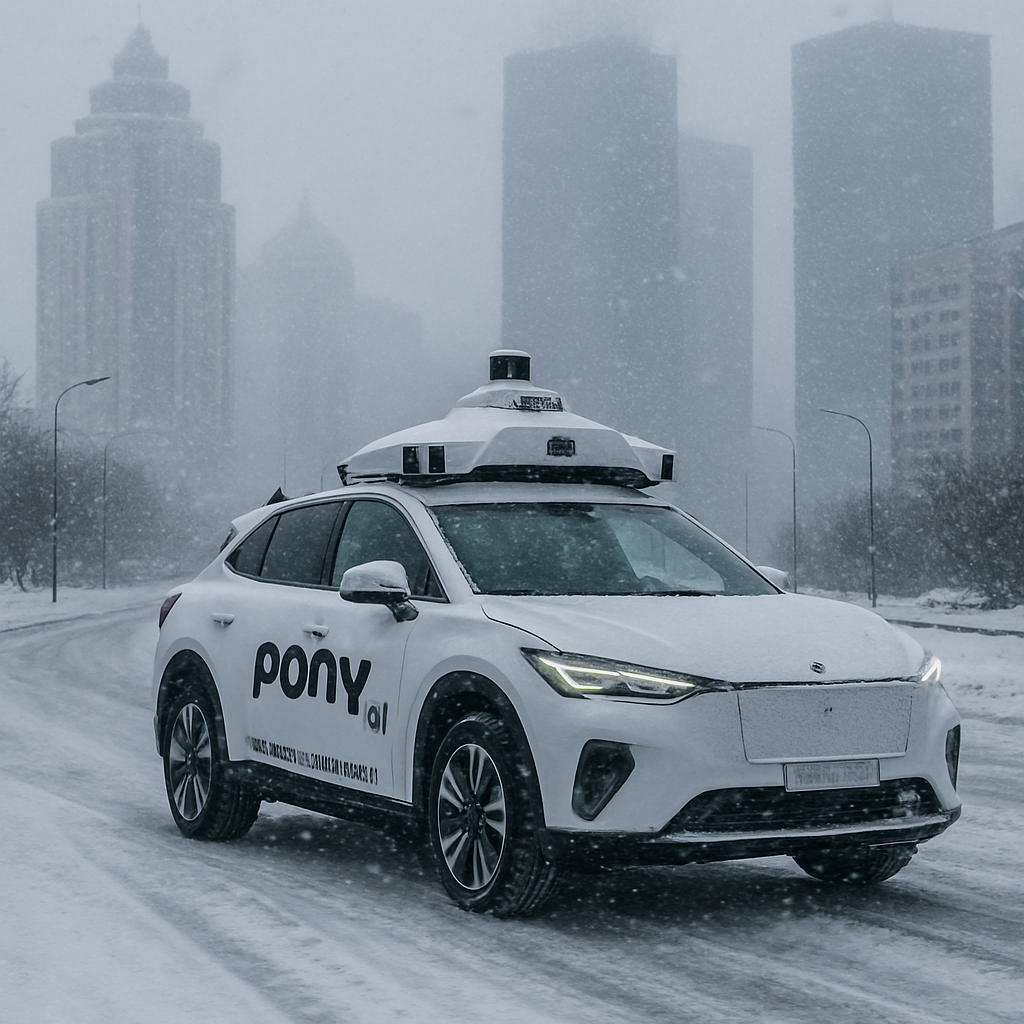
The initial trials will take place in Astana during the first half of 2027 and will include a safety operator on board. Pony.ai will supply its Gen-7 robotaxis, while Nvidia will contribute its Hyperion platform and Halos safety system—critical components for perception, decision-making, and overall autonomous system safety.
Broader context for robotaxi ambitions
This partnership comes amid a surge of interest in autonomous ride services beyond traditional markets. Earlier this month, Uber revealed plans to test Pony.ai’s robotaxis in London and has also begun supervised autonomous rides there, working with startup Wayve. The move underlines the rise in robotaxi deployments globally—especially in emerging markets, where cost pressures are steep.
Kazakhstan has already set regulatory groundwork. The government has approved testing on public roads and announced plans for autonomous taxi services in 2027 in Astana and two other cities. Astana’s challenging environment—long winters, snow, ice—offers a rigorous proving ground for autonomous systems.
inDrive emphasizes a capital-light approach in its autonomous strategy, relying on partnerships to manage expense and complexity. Its CTO described success as relying on external expertise for robotaxi hardware and software, coupled with inDrive’s ride-hailing infrastructure and operations. Nvidia says its platforms like Hyperion help lower development costs by supplying off-the-shelf hardware and sensor stacks. For emerging markets, those cost efficiencies are particularly important.
A look at Pony.ai’s portfolio shows it has nearly 2,000 robotaxis as of June 2026 and aims to exceed 3,500 vehicles in over 20 cities worldwide by year’s end. inDrive itself operates in more than 1,200 cities across 47 countries and is expanding beyond ride-hailing into delivery, intercity transit, and financial services. It is also exploring autonomous vehicle deployment in Saudi Arabia with local partners for pilot projects.
Astana’s extreme winter weather may pose performance challenges, but inDrive views them as strategic test conditions. If robotaxis can handle harsh snow, ice, and subzero temperatures, it strengthens the case for scaling into other challenging regions. inDrive and Pony.ai have pointed to the regulatory environment in places like Kazakhstan and Saudi Arabia as key enablers for future autonomous mobility.
Analytical Take: inDrive’s move underscores a shift in the race for autonomous ride services—away from concentrated tech hubs toward emerging markets where regulatory cooperation, cost pressures, and under-served mobility create opportunity. By relying on partners like Pony.ai for vehicle tech and Nvidia for AI platforms, inDrive avoids massive upfront investment, pursuing a strategy that may be more sustainable. Watching how Astana handles both regulatory framework and harsh weather will be critical—successful trials there could offer a replicable model for robotaxi expansion in climates and contexts that many other players overlook.