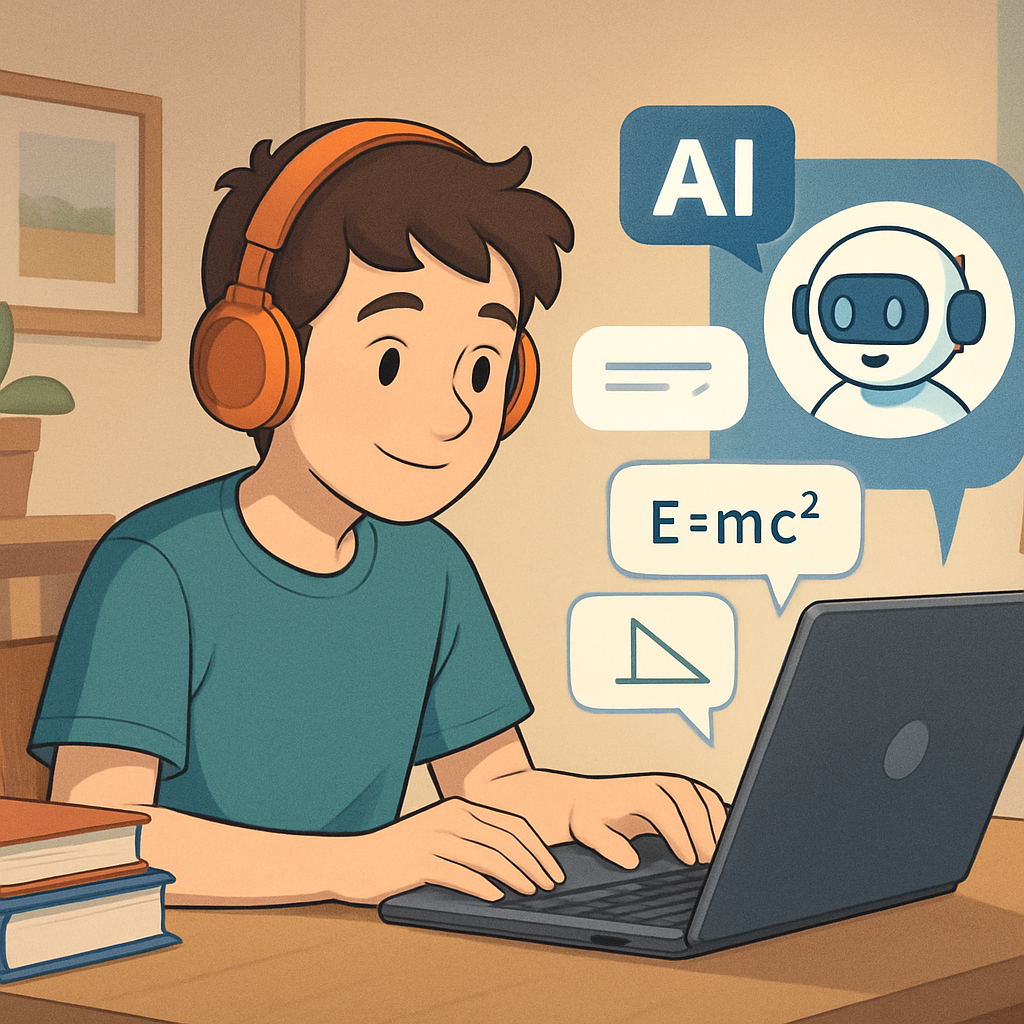
OpenAI has unveiled ChatGPT for Teens, a version of its AI chatbot tailored for users aged 13 to 17. This initiative aims to address concerns about AI’s impact on adolescent mental health and education by incorporating enhanced safety measures and educational tools.
The teen-focused ChatGPT includes a Study Mode designed to promote active learning. Instead of providing direct answers, the chatbot offers guiding questions and step-by-step support to help teens understand material. Additionally, if a user appears to be seeking quick answers for homework, the system prompts them to engage with Study Mode, encouraging genuine comprehension over rote responses.
To further support learning, the platform introduces quizzes and visual aids. Parents and guardians have access to controls that allow them to set Study Mode as the default, ensuring consistent engagement with these educational features.
Safety is a paramount concern in this release. ChatGPT for Teens comes with default protections to minimize exposure to harmful or age-inappropriate content. These safeguards are informed by developmental science and expert guidance, aiming to create a secure environment for adolescent users.
Parental involvement is facilitated through family tools and controls. Guardians can manage settings, receive safety notifications, and establish Quiet Hours, providing oversight and peace of mind regarding their teen’s AI interactions.
OpenAI has also partnered with CodeAI to educate teens about artificial intelligence. This collaboration offers insights into AI functionality, effective usage, and critical questioning, empowering young users to navigate the digital landscape responsibly.
In educational settings, OpenAI provides ChatGPT for Teachers, offering institution-managed access to AI tools. This resource supports educators in integrating AI into their teaching strategies, enhancing the learning experience for students.
By launching ChatGPT for Teens, OpenAI acknowledges the growing presence of AI in young people’s lives and takes proactive steps to ensure its responsible and beneficial use. This development reflects a broader trend of tech companies adapting their products to meet the unique needs and challenges of younger audiences.