In the evolving landscape of software development, the concept of ‘software factories’ has emerged as a transformative approach, particularly in the realm of AI. These factories represent automated systems that manage the various stages of software creation, from initial planning to deployment, leveraging AI agents to enhance efficiency and consistency.
Recognizing the complexities involved in establishing such systems, Warp has introduced ‘Warp Factories,’ a comprehensive solution designed to simplify the creation and operation of AI-driven software factories. This platform offers an integrated environment for deploying AI agents, providing a structured framework that aligns with traditional software development phases: triage, specification, implementation, review, and verification. By automating these stages, Warp Factories aims to streamline the development process.
While larger organizations like Stripe and Ramp have developed proprietary systems to automate aspects of their software development, these solutions often require substantial resources and technical expertise. Warp Factories addresses this gap by offering a ready-to-use infrastructure, making it accessible for smaller companies to implement AI-driven development processes without the need for extensive in-house development.
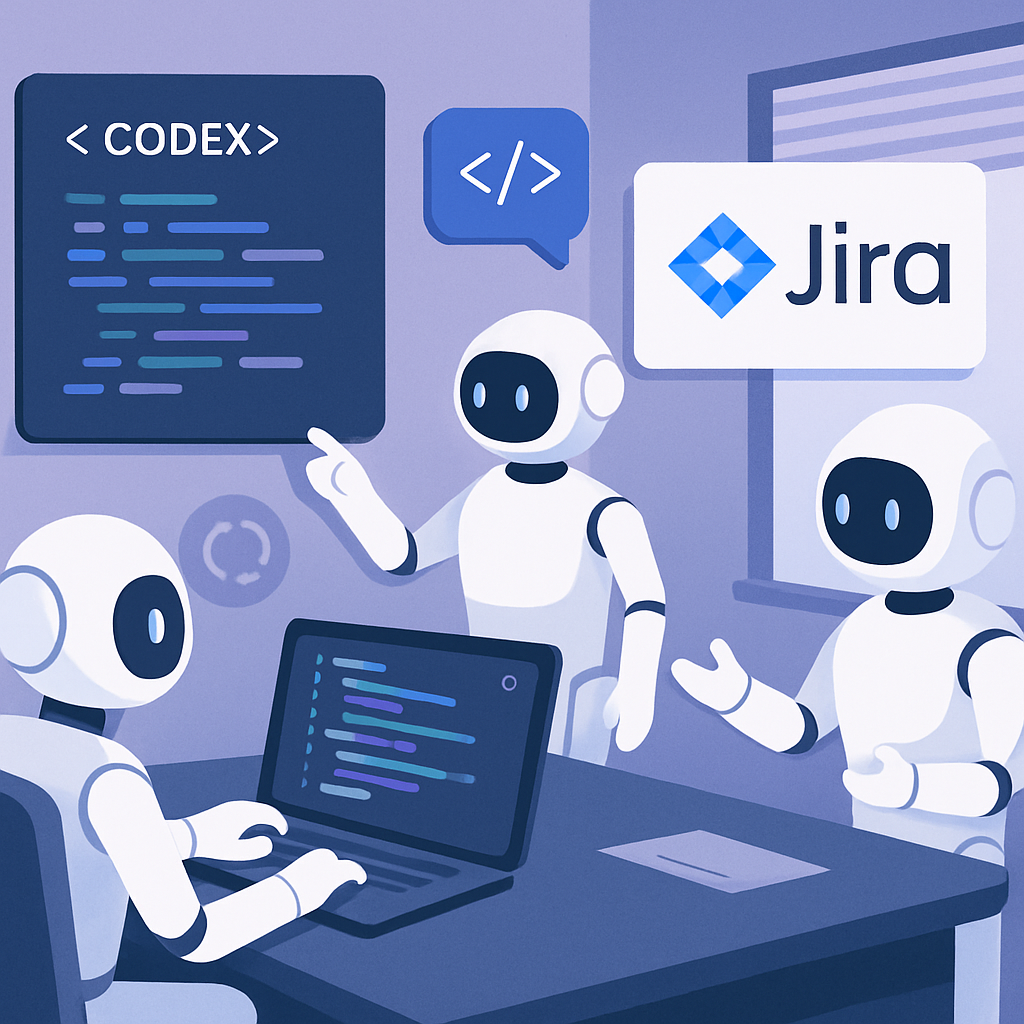
The platform is designed for flexibility, allowing users to select their preferred coding models and integrate seamlessly with existing tools such as Codex and Claude Code. Additionally, Warp Factories supports integration with popular project management and communication tools like Linear, Jira, Slack, and Teams, ensuring compatibility with established workflows.
Beyond facilitating code production, Warp Factories provides managers with comprehensive analytics to monitor the performance of their AI agents. This includes tracking key performance indicators, managing resource allocation, and implementing self-improvement loops to optimize the development process continually.
It’s important to note that Warp Factories is not intended to replace human software engineers but to augment their capabilities. By automating routine tasks, the platform allows developers to focus on more complex and creative aspects of software development. Currently, Warp reports that approximately 30% to 35% of tasks are automated weekly, with expectations for this figure to increase as AI models and integration tools continue to advance.
The introduction of Warp Factories signifies a significant step toward democratizing AI-driven software development. By providing an out-of-the-box solution, Warp enables companies of varying sizes to harness the benefits of AI in their development processes, potentially leading to increased innovation and efficiency across the industry.