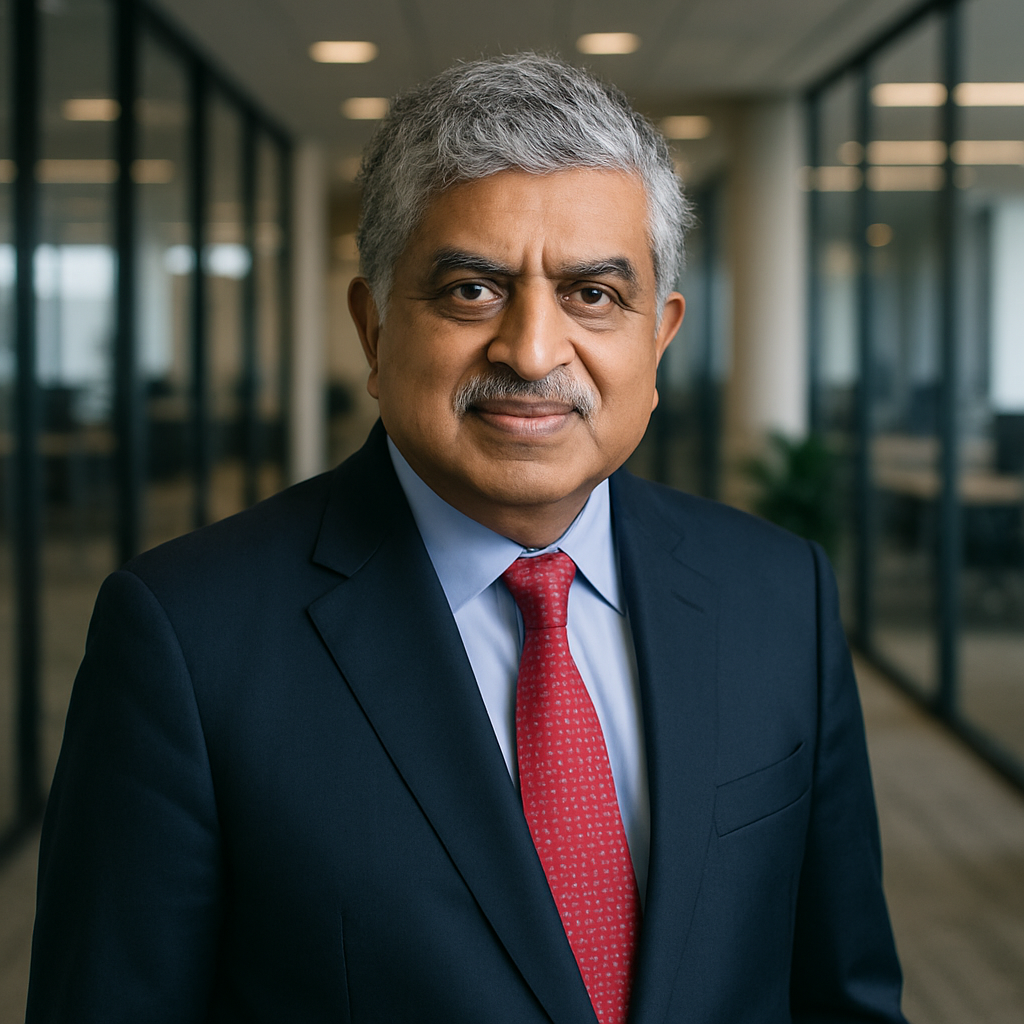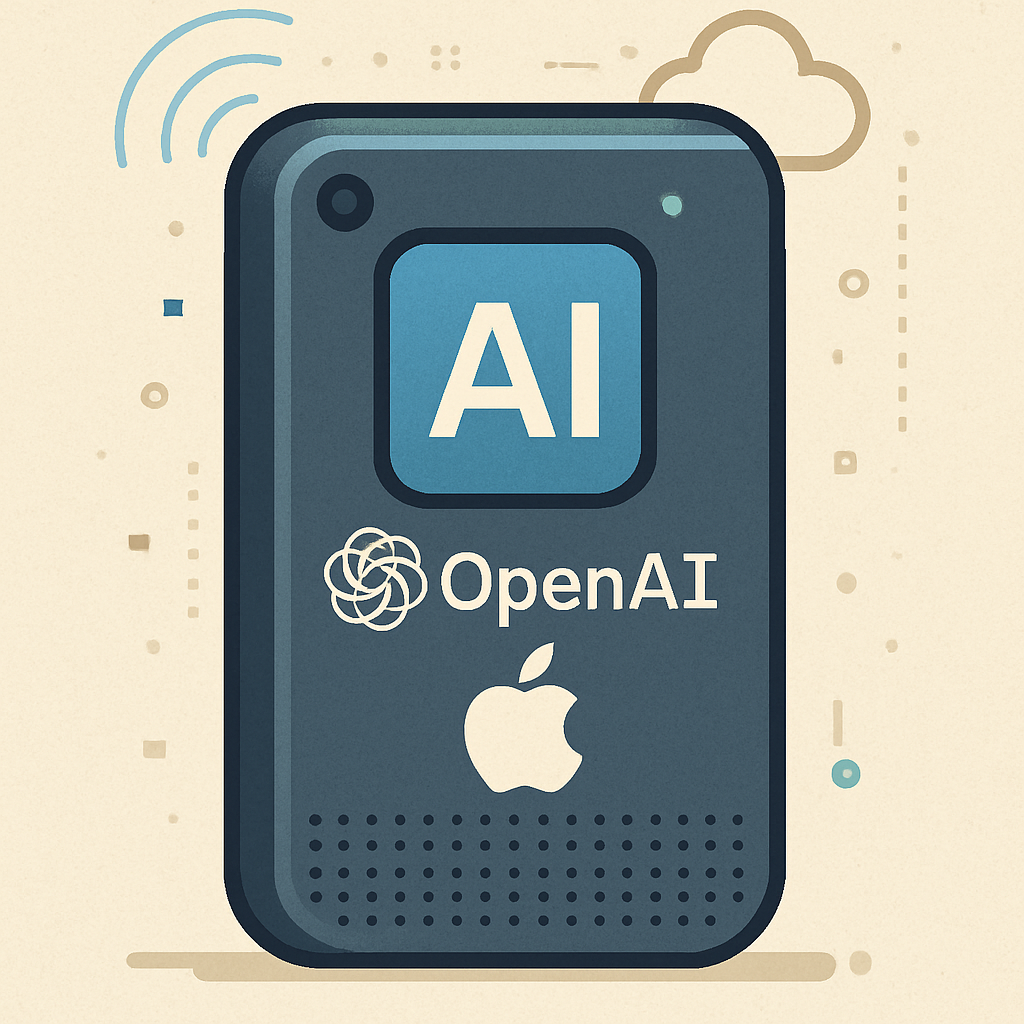
OpenAI has recently recruited Paul Meade, the executive who led Apple’s Vision Pro headset and smart glasses projects. This move underscores OpenAI’s commitment to expanding its hardware capabilities.
Meade, a vice president at Apple, is set to depart the company next week to join OpenAI’s hardware division. He will contribute to the development of OpenAI’s forthcoming AI-powered devices. Meade’s tenure at Apple includes seven years leading the Vision Pro hardware engineering team and spearheading the company’s smart glasses initiative, with a product launch anticipated in late 2027.
His departure follows a significant organizational restructuring at Apple. With John Ternus ascending to CEO, Johny Srouji assumed the role of chief hardware officer, initiating changes that reassigned several vice presidents. Meade and other hardware leaders now report to Tom Marieb, the new vice president of hardware engineering, rather than directly to Srouji. This shift effectively lowered their positions within the organizational hierarchy.
OpenAI’s strategy of attracting top talent from Apple is not new. The company has previously enlisted former Apple designers and engineers, including Evans Hankey and Tang Tan, to collaborate with Jony Ive’s team on AI-driven hardware projects. This pattern highlights OpenAI’s dedication to assembling a team capable of delivering innovative AI hardware solutions.
Meade’s extensive experience, from managing iPad projects in 2010 to overseeing iPhone program management in 2012, and later leading the Vision Products Group from 2017, positions him as a valuable asset for OpenAI’s hardware ambitions.
OpenAI’s aggressive recruitment from Apple reflects a broader trend in the tech industry, where companies are vying for top talent to gain a competitive edge in emerging technologies. This development could signal intensified competition in the AI hardware market, potentially leading to more rapid advancements and innovative products for consumers.