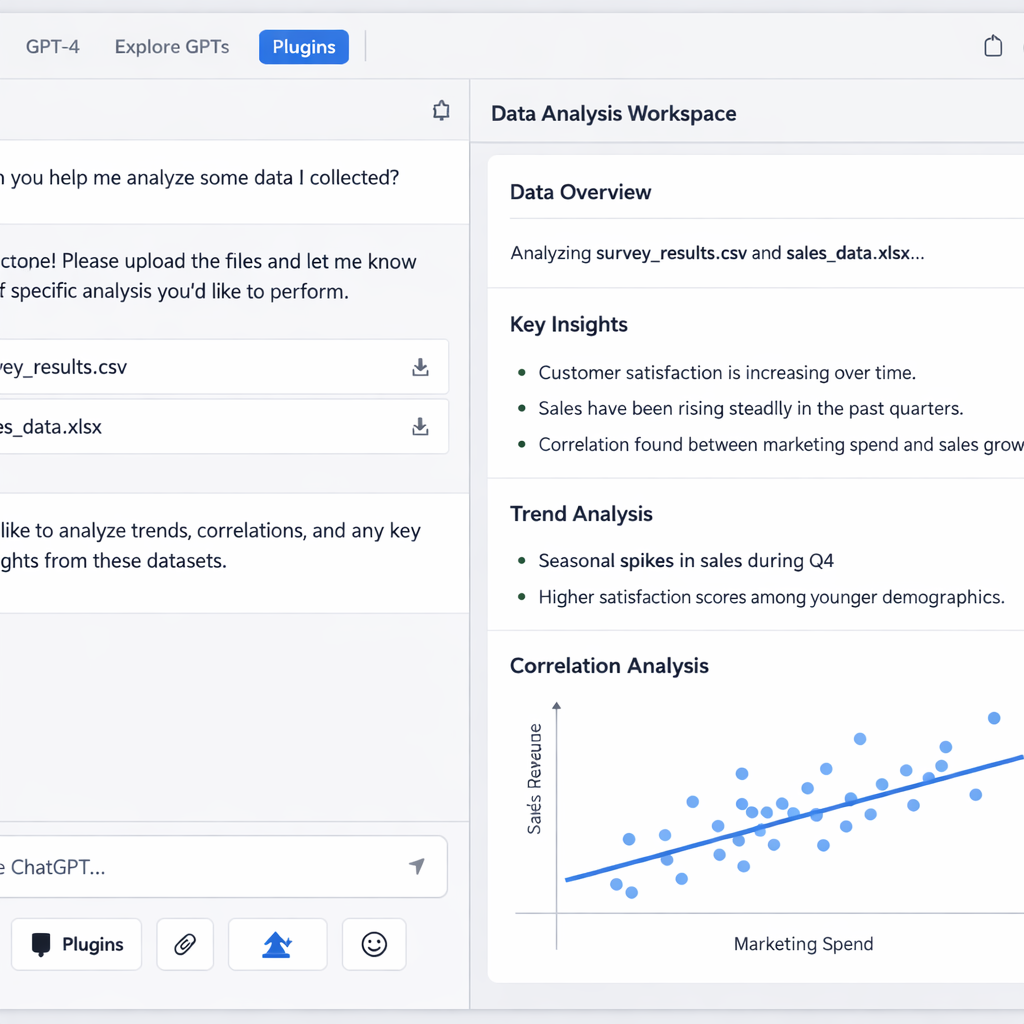
OpenAI is streamlining its ChatGPT desktop experience by merging the existing Chat and Work tabs into a single, unified workspace. The change aims to reduce confusion by letting users move seamlessly between brainstorming, uploading files, using plugins, and executing tasks — all in one place without switching views. Currently, this merged mode is being piloted among select users, with plans to expand it across the platform depending on feedback.
What Changes and What Remains Separate
While the Chat and Work tabs are being combined, the Codex portion of the app will stay distinct. Users will continue to access Codex as a separate experience, maintaining its specialized focus. The merging of Chat and Work means that both functionalities will now draw from the same token allowance. OpenAI notes that, for most users, this won’t have an immediate impact. However, those who are heavy users may notice more frequent token resets depending on usage and their plan.
This consolidation comes as part of OpenAI’s effort to simplify the user interface. Previously, users moving between ideation (Chat) and more structured or file-based tasks (Work) often found themselves jumping between tabs, which could be disorienting or inefficient. Merging these tabs is designed to streamline workflows, especially for users who rely on plugins and file uploads to get complex tasks done.
Notably, this move follows a similar redesign by Anthropic back in September, when the company combined its own ‘chat’ and ‘Cowork’ features for its Claude model into one screen. With competitors also simplifying their UI, OpenAI’s decision reflects a broader trend toward more integrated user experiences.
The rollout is being handled carefully: the new unified mode is optionally available to certain users now for feedback and testing. Depending on that response, OpenAI plans a wider release in the future, adjusting the experience based on real-world use.
This evolution signals a shift in how AI productivity tools are expected to behave. Users increasingly expect seamless transitions between ideation, task execution, and content creation — without needing to remember where a particular feature lives.
Token Use: Shared Pool and Implications
Perhaps the most significant backend change is the merging of token allowances. Under the new setup, tokens consumed in either the Chat or Work functions will come from the same balance. For most people, this blended token use should go largely unnoticed. But those pushing the boundaries — using both tabs heavily, or accessing models that consume tokens quickly — may find themselves hitting limits sooner or having to wait for resets more frequently.
OpenAI says this won’t impact most users under typical usage patterns. That said, power users who frequently build presentations, upload large files, or tap into heavy plugin use will want to watch their token consumption more closely.
Even more significantly, the way users interact with the app could shift. Rather than staging work in separate spaces, everything now aligns under a more linear workflow: brainstorm, upload or connect resources, build outputs, and review — all without cross-tab friction. That may encourage more ambitious or complex use cases.
Overall, unifying Chat and Work suggests OpenAI is leaning into simplifying its UI without sacrificing functionality. The company appears keen on balancing ease of use for casual users with robust capabilities for power users who rely on file imports, plugins, and multitasking.
Analysis: By merging Chat and Work, OpenAI is responding to long-standing user feedback about disjointed workflows. This shift could make the desktop app more accessible and reduce friction, especially for those managing multiple types of creative or professional tasks. But shared token usage introduces a new constraint: power users will need to adapt by tracking usage more carefully or choosing plans with more generous allowances. As this change rolls out, it will be important to see how OpenAI balances simplicity and capability without alienating its most demanding customers.