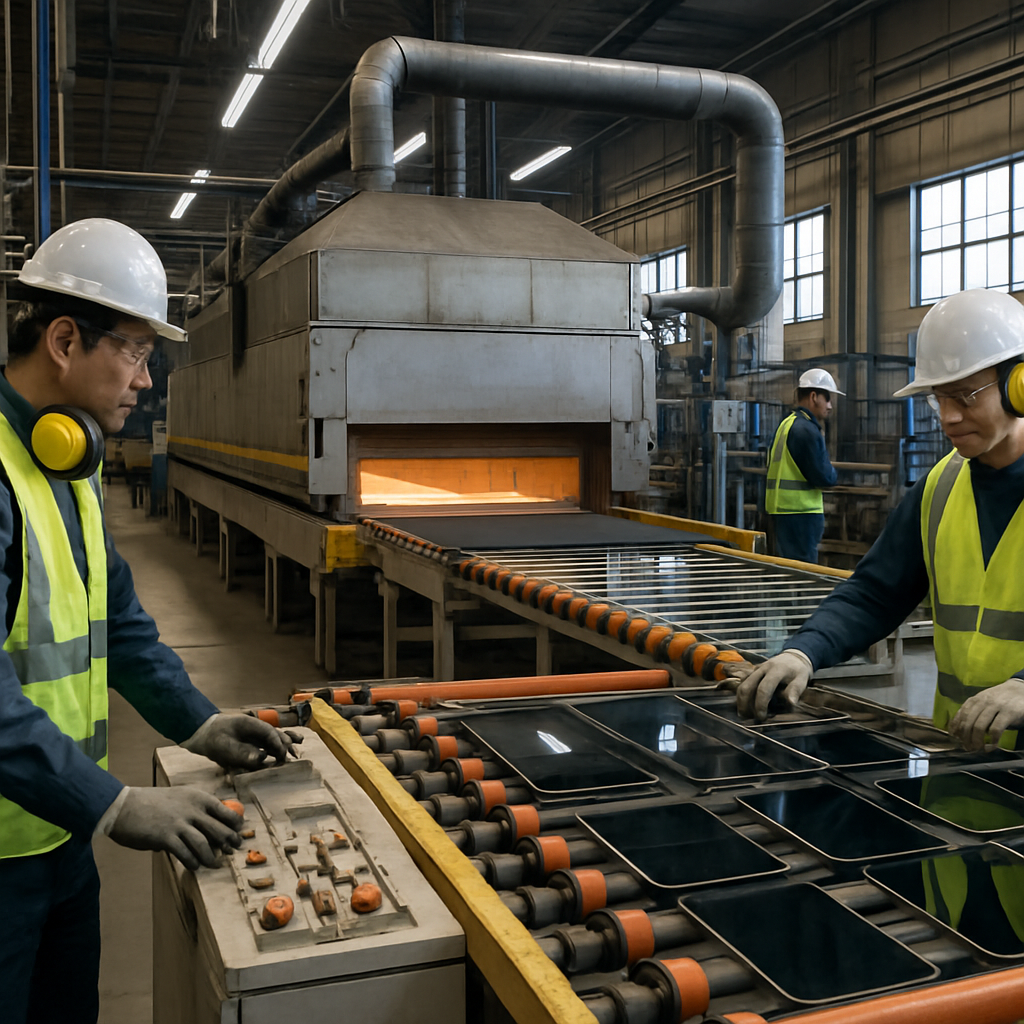
Apple is set to expand its Harrodsburg, Kentucky glass facility, creating around 200 new full-time hourly roles plus several salaried glass-development positions. That follows earlier investment by Apple aimed at doubling plant employment and tripling production output. Currently the site employs about 350 full-time staff—not including construction workers. As part of the upscaling, temporary construction jobs will arise as the facility builds a new manufacturing innovation center as well.
Stepping up U.S. glass production for Apple devices
The glass plant in Kentucky has long played a key role in making screens for Apple products. Over the last 20 years it has supplied glass for iPhones, and now Apple plans to produce all iPhone glass in Kentucky. The expansion also includes glass used in Apple Watches. To accommodate this increase, a joint Apple-Corning Innovation Center will be established on site. This new Center resembles Apple’s Advanced Manufacturing Center in Houston, though on a smaller scale.
Jobs, investment and the bigger strategy
The site currently has roughly 350 workers. Adding 200 new hourly production roles and some salaried development roles represents a substantial boost. In addition, about 100 construction jobs are expected while the innovation center is being built, though those roles won’t be permanent. Leaders from Apple and government officials emphasized the move as deepening commitments to U.S. manufacturing.
Earlier investments in the same facility totaled $2.5 billion, intended to double jobs there and triple output. Apple’s COO toured the plant alongside the U.S. Commerce Secretary. Local political leaders framed the expansion under themes of “Made in America” and growing domestic production. The initiative reflects the company’s efforts to localize its supply chain and reduce reliance on overseas manufacturing.
This move matters because it signals Apple is putting serious skin in the game when it comes to reshoring critical component production. For Kentucky, it’s a win both economically and symbolically. For the tech industry, it underscores how supply chain strategy is increasingly aligned with geopolitical, labor, and policy pressures. Watch for how this investment changes local industry dynamics, wage standards, and whether similar reshoring pushes continue across Apple’s other component lines.