Traditional network firewalls have long been the cornerstone of cybersecurity, adept at monitoring and controlling incoming and outgoing network traffic based on predetermined security rules. They excel in identifying and blocking malicious traffic, thereby preventing unauthorized access and potential breaches. Historically, these firewalls have operated within a relatively stable framework: users connect to applications, applications exchange data, and security tools inspect packets, protocols, and destinations to determine the legitimacy of the traffic.
However, the advent of artificial intelligence (AI) is revolutionizing this landscape. AI is introducing new network dynamics that traditional security policies were not designed to handle. Employees, applications, and AI agents now engage in activities such as sending prompts, calling models, connecting to services, and triggering actions across the network. Much of this activity is invisible to conventional firewalls, which lack the capability to comprehend, let alone manage, these interactions. AI agents, in particular, autonomously interact with external services, retrieve information, execute actions, and communicate with other agents, further complicating the network environment.
Introducing the AI Network Firewall
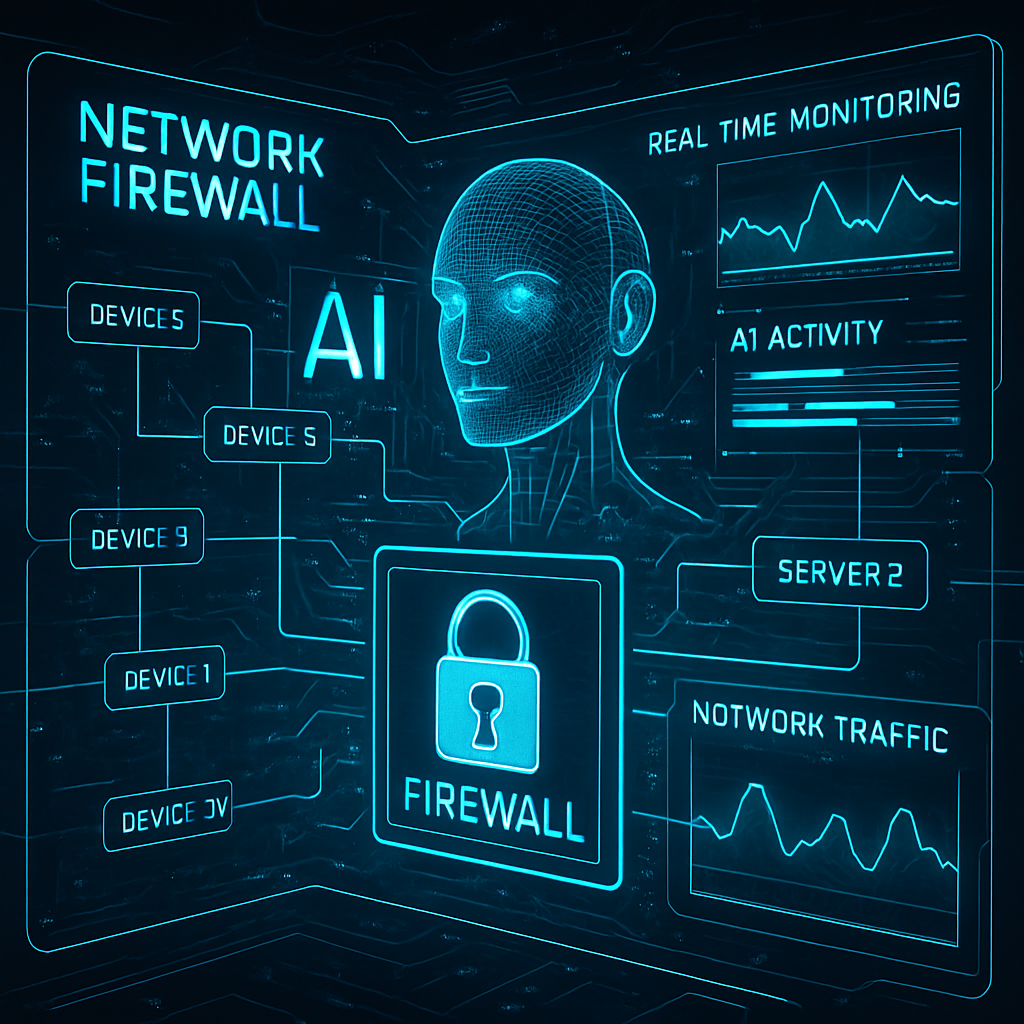
Recognizing the need for a security solution tailored to the AI era, a new type of network security has been developed: the AI Network Firewall. This innovative firewall is designed to provide comprehensive AI security at the network level, safeguarding employee AI usage, AI applications, and AI agents directly through the existing firewall infrastructure. Fully integrated into an AI Defense Plane, the AI Network Firewall transforms the traditional firewall into an intent-aware enforcement layer capable of detecting, inspecting, and controlling AI activity across the enterprise, including networks, cloud environments, branch offices, and AI data centers.
Bridging the Visibility Gap in AI Adoption
Organizations today face a dual challenge: the rapid adoption of AI and the fundamental changes it brings to network activity. Traditional security controls were built to inspect connections, applications, and traffic flows, determining the legitimacy of connections based on destination and protocol. However, they were not designed to understand the context and intent behind AI interactions.
This lack of visibility poses a significant risk. Employees may send prompts to generative AI platforms, applications might make model calls behind the scenes, and autonomous agents could communicate with other systems and services without human oversight. Much of this activity traverses the enterprise network, yet conventional firewalls are ill-equipped to inspect prompts, detect sensitive information exposure, govern agent-to-agent interactions, or identify malicious AI-driven activities.
The AI Network Firewall addresses this challenge by evolving the firewall’s capabilities. To secure the AI-driven enterprise, security controls must transcend traditional traffic inspection and become intent-aware. By understanding prompts, model interactions, file uploads, API calls, and agent behaviors in real time, the AI Network Firewall provides the visibility and control necessary for organizations to safely scale AI adoption.
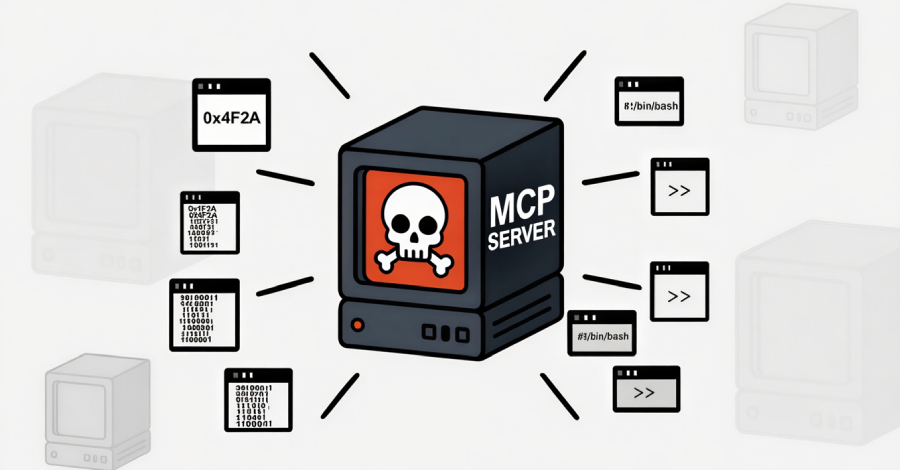
Rather than treating AI as an isolated technology stack, this approach embeds governance directly into the network control point that already monitors enterprise activity. This integration enables security teams to prevent prompt-injection attacks, halt data exfiltration, detect API abuse, govern Model Control Plane (MCP) servers, and maintain centralized oversight of AI usage across employees, applications, and autonomous agents.
Security at the Speed of AI
The rapid evolution of AI necessitates security solutions that can operate at a similar pace. The AI Network Firewall is designed to meet this demand by providing real-time monitoring and control of AI interactions within the network. This proactive approach ensures that organizations can harness the benefits of AI while mitigating associated risks, thereby maintaining a robust security posture in an increasingly AI-driven world.
As AI continues to permeate various facets of business operations, the integration of intent-aware security measures like the AI Network Firewall becomes imperative. By adapting to the unique challenges posed by AI, organizations can ensure that their network security infrastructure remains effective and resilient in the face of evolving threats.