Ollama, the platform known for running AI models locally on Apple devices, has introduced support for speech output in its Mac app via the Phonon models. The update delivers real-time text-to-speech generation, with Windows and Linux versions promised soon.
What Ollama Is and What’s New
Ollama enables users to download and run open-source AI models directly on their Mac machines—or to tap into higher-powered cloud models when needed. Leveraging Apple’s MLX framework, the app gains efficiency with Mac hardware, especially Apple Silicon.
The latest major feature is support for the Phonon family of text-to-speech models, developed by Gradium. Speech output now happens as the text is being generated, rather than after the entire response is complete. Tests on a MacBook Pro with M5 Max chips show Ollama generating speech 35% faster than Gradium’s original implementation while matching its word error rate.
Features of Phonon and Availability
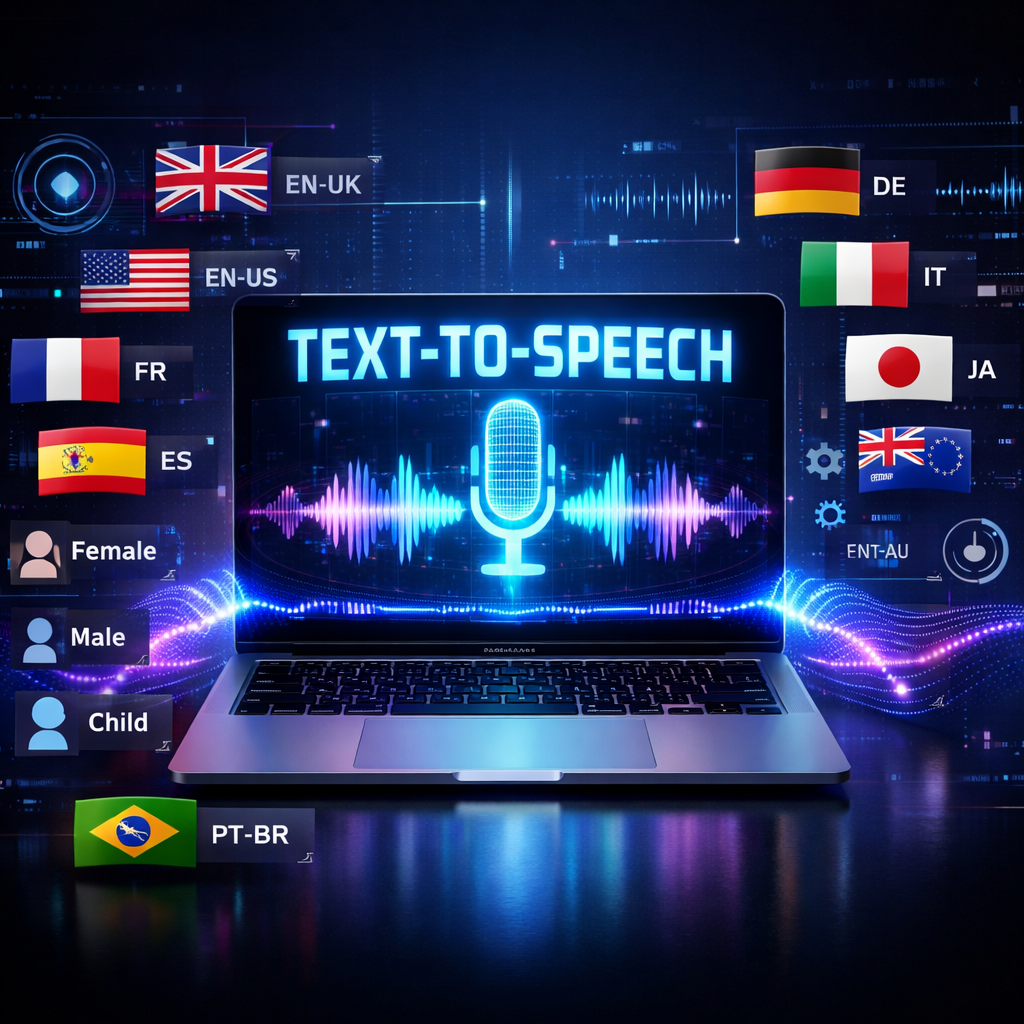
Phonon offers models for five individual languages—English, French, German, Spanish, and Portuguese—alongside a multilingual variant that handles all five. Users can select different voices and accents, including options for American and British English.
To use the feature, you’ll need a Mac with Apple Silicon, running Ollama version 0.40.11 or later. Once updated, users can download the Phonon models directly through Ollama and begin generating speech locally.
Although the new speech capabilities are Mac-exclusive for now, support for Windows and Linux is under development. Ollama also provides API access, with documentation and code examples for integrating the Phonon models programmatically.
Under the hood, MLX plays a central role. Apple’s open-source framework optimizes deep learning workflows by using unified memory architecture—a key advantage on newer Macs. Ollama’s integration of Phonon shows that the app can harness native OS frameworks for AI-driven speech without sending data off-device.
Why this matters: real-time local text-to-speech helps with privacy, responsiveness, and offline accessibility. For creators, developers, and accessibility users, being able to generate spoken feedback without relying on internet connectivity or external servers can be a game-changer.
Looking ahead, what to watch for is how OLlama handles performance on older Macs with less powerful Apple Silicon, how customizable the voices and accents become, and when the Windows/Linux options go live. Also important will be how this competes with cloud-based TTS services that may offer more extensive voice variety but less privacy.