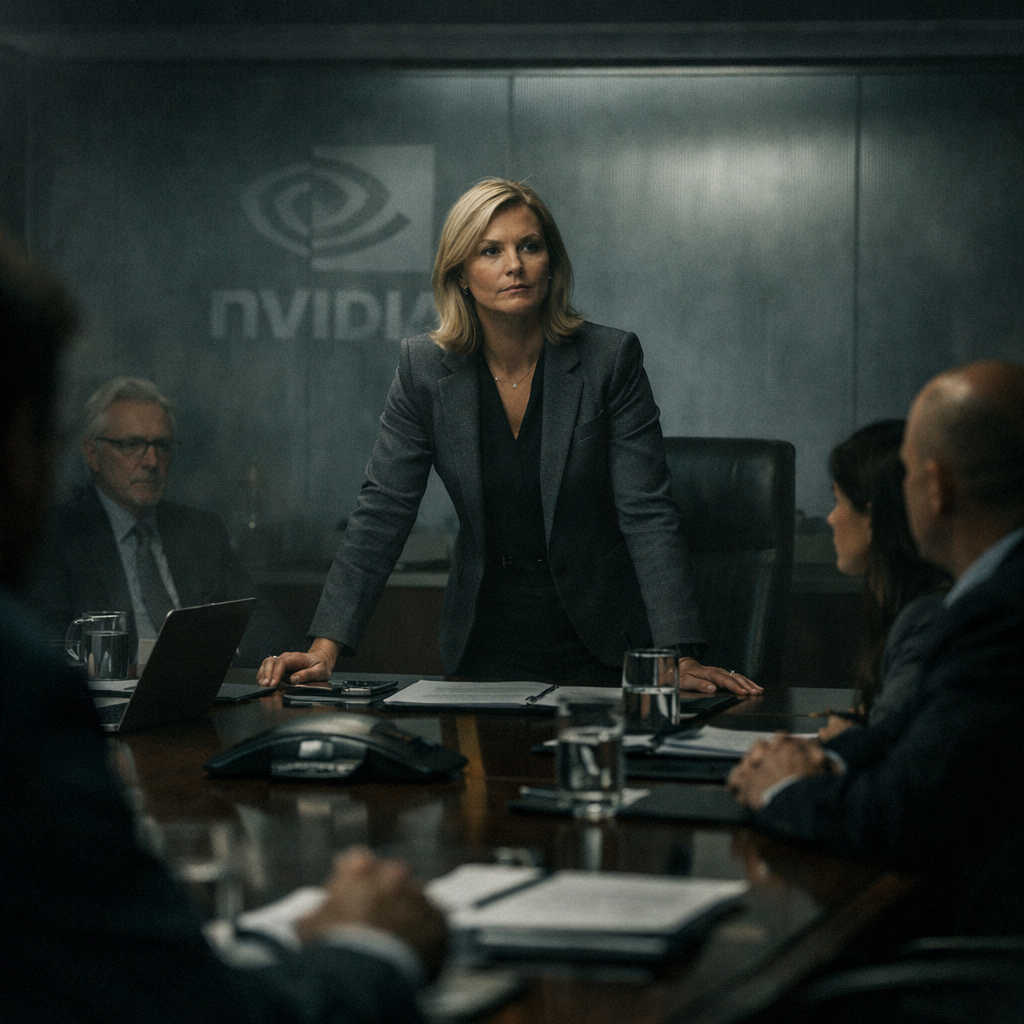
Nvidia’s board has made it clear—Jensen Huang will not be reinstated as CEO. After resigning from his roles following revelations of personal misconduct, including an affair with someone allegedly tied to Chinese intelligence, Huang had suggested on November 17, 2026 that he could return if requested. The board’s response during the company’s earnings call that same day was definitive: the resignation is final. Colette Kress, Nvidia’s long-time CFO, has been appointed interim CEO.
Concerns Over Code of Conduct
On November 12, the board cited personal behavior incompatible with Nvidia’s code of conduct, standards, and cultural norms as the reason for Huang’s departure. His resignation as president, CEO, and board member was described as voluntary, though the board made it clear they would not accept him back in any executive capacity.
Leadership Transition and New Oversight
Colette Kress assumes dual responsibilities, retaining her CFO duties alongside the interim CEO role. She has been with Nvidia for over a decade and played a central role in the company’s rapid growth. Her challenge now is steering the company through a tumultuous period.
In tandem with leadership changes, Nvidia has formed a national security and export control oversight committee, which includes independent board members, external advisors, and legal counsel. This body aims to strengthen engagement with U.S. government agencies and ensure regulatory compliance.
Financials and Fallout
Despite the shake-up, Nvidia reported a strong quarter, surpassing revenue expectations. The company brought in $115.84 billion—double that of the same quarter in 2025.
However, the days following the misconduct disclosures saw Nvidia’s market value plunge by roughly $800 billion. In addition to market instability, federal investigations into export control violations and alleged ties to espionage were already underway. Specifically, U.S. authorities are probing whether Nvidia provided information to an ex-Megaspeed executive, Alice Huang, who is accused of being a Chinese spy, and whether chips were diverted to China illegally.
Meanwhile, there’s speculation about who could lead the company long-term. Apple’s Johny Srouji has been floated as a possibility, but any transition would likely be delayed by contractual obligations.
Kress has reportedly been cautious about reconstituting Nvidia’s previous strategy—one that leaned heavily into a “circular economy” model where the company essentially subsidized demand in expectation of long-term profitability. That strategy, which Huang backed, is under scrutiny now that the company is operating under interim leadership.
The board insists Huang’s departure serves the best interests of Nvidia’s workforce, partners, shareholders, and customers. The leadership team remains committed to growth, integrity, and strict adherence to regulations and norms.
What this means: Nvidia is entering a new era. With Huang out, the board is charting a path defined by cautious leadership, heightened oversight, and a renewed emphasis on compliance. Colette Kress has big shoes to fill—and it’s not just about maintaining financial performance. How she handles strategic direction, carries out investigations, and rebuilds trust will set the tone for Nvidia’s future.