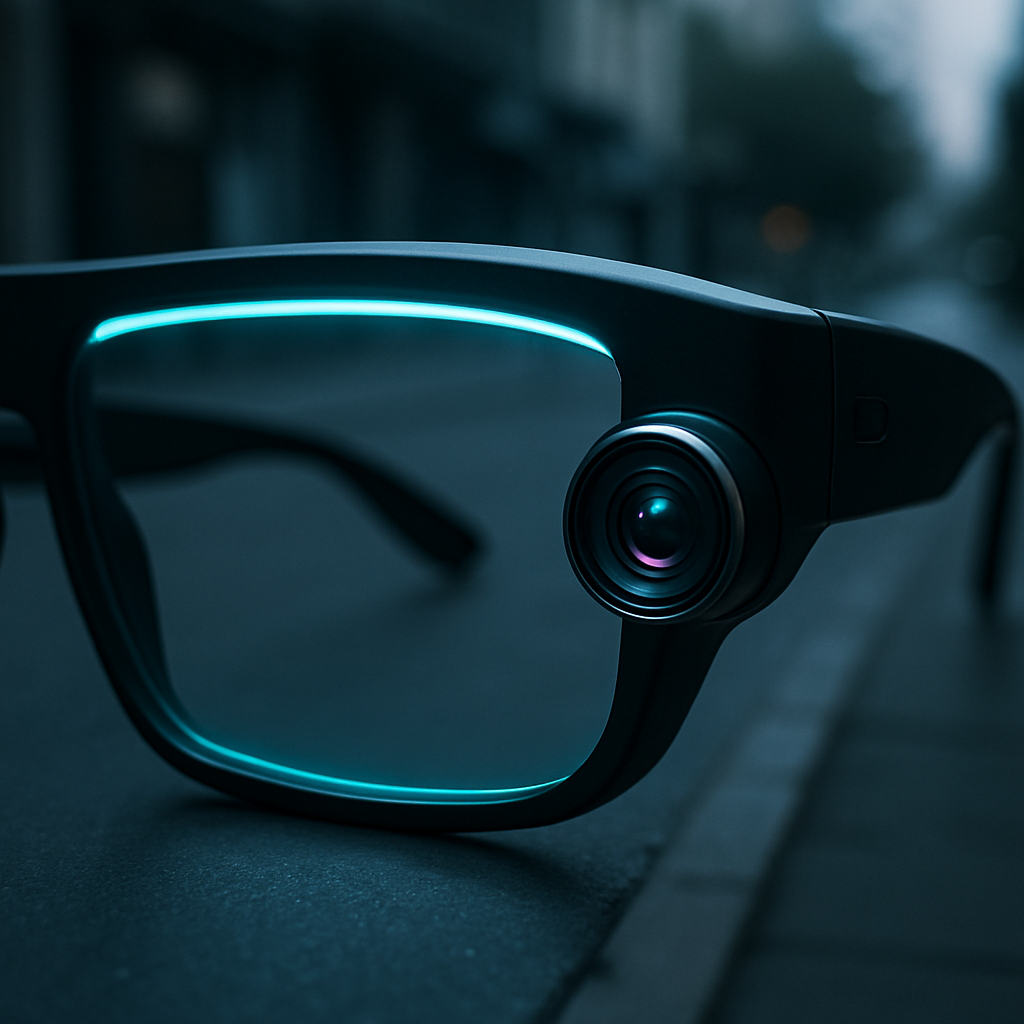
Norway’s government is moving toward outlawing smart glasses and other wearables fitted with internet-connected cameras, a response to mounting privacy concerns around technology that could record people without their permission. The proposal, initiated by Digital Minister Karianne Tung, comes as camera-enabled accessories grow more advanced, with many beginning to include facial recognition capabilities. These devices have drawn sharp criticism from civil rights groups and the public, some labeling them “pervert glasses.”
Tung has voiced concern over a trend in which everyday objects—glasses, headsets, hats—are being equipped with microphones, cameras, and AI tools. The fear is these wearables could be used in public spaces to surveil people without consent. In particular, the government is considering banning the use of facial-recognition software linked with these devices when used in public settings. The proposal would address technology from major players like Meta and Snap, whose products include camera-equipped frames and lenses. Per Tung, steps must be taken now to safeguard privacy before the platforms become more pervasive.
To shape any proposed regulation, the government plans to form a panel of experts to guide policymaking. Tung has emphasized the need to better protect individual rights by establishing clear rules for how camera-enabled wearables are used. The committee will likely explore where to draw legal boundaries on privacy, what constitutes acceptable use, and how to monitor misuse.
Why There’s Concern
Wearable tech like smart glasses has been steadily advancing toward seamless recording, with smaller, more discreet cameras and connected AI that enhances analysis. While these tools offer potential benefits—hands-free operations, enhanced accessibility, augmented reality—the potential for abuse remains high. Facial recognition in public could allow for identification without consent; combined with internet connectivity, aberrant uses multiply. Civil liberties advocates warn these devices risk turning public places into surveillance zones.
Users and onlookers alike can find it difficult to tell when such wearables are active, adding to concerns about transparency and consent. The nickname “pervert glasses” reflects social backlash against devices seen as invasive. Norway isn’t the first nation to grapple with these questions, but its approach underscores growing unease globally about the intersection of AI, wearables, and personal privacy.
What’s at Stake
A regulatory push like Norway’s could force major wearable tech companies to rethink hardware design, connectivity, and facial-recognition features. It might involve requirements for visible indicators when cameras are active or restrictions on what data these devices can collect, process, and store. Manufacturers might have to build in privacy-by-design safeguards or limit some features for sale in jurisdictions with tight laws.
This debate also highlights how emerging technologies are challenging legal frameworks that weren’t designed for AI-powered, always-on devices. While some privacy laws already exist, Norway’s potential ban would address gaps concerning wearable cameras connected to the internet and AI. Decision-makers around the world may watch Norway to see how it balances tech innovation with rights protection.
What this means: Norway’s move signifies a growing recognition that wearables aren’t merely gadgets—they carry immense surveillance potential. As tech keeps getting smaller and smarter, privacy risks get bigger. The key will be hands-on oversight, clear legal limits, and ensuring public understanding. Keep an eye on what the expert panel recommends—and whether any law ends up setting a precedent beyond Norway’s borders.