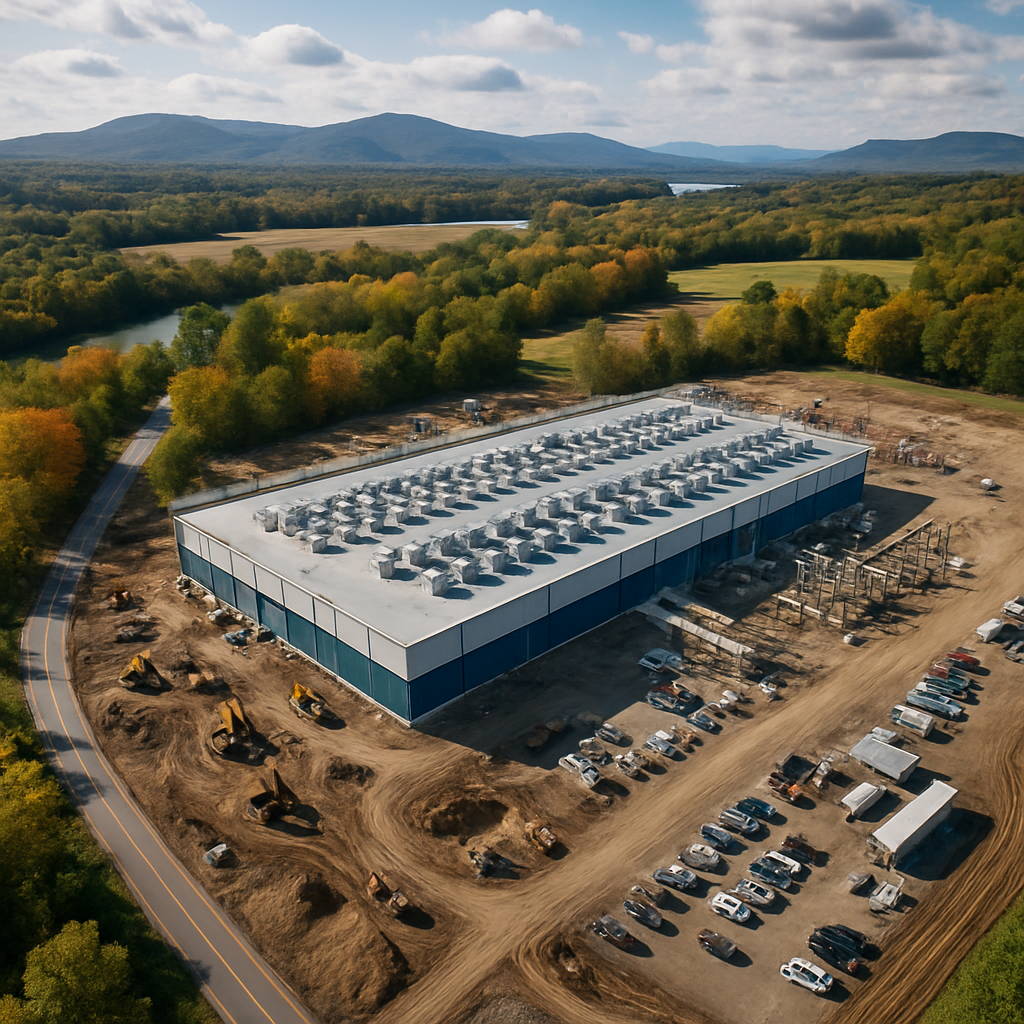
New York State has initiated a temporary halt on the construction of large data centers, marking a significant move in the ongoing debate over the expansion of digital infrastructure. Governor Kathy Hochul signed an executive order that suspends the approval of new permits for data centers with capacities of 50 megawatts or more. This decision affects over a dozen proposed projects and reflects growing concerns about the environmental and societal impacts of such facilities.
The moratorium will remain in place until the state completes a comprehensive environmental review process, anticipated to take approximately one year. During this period, the Department of Environmental Conservation will refrain from issuing permits for large-scale data centers that have not yet received approval.
Governor Hochul emphasized the importance of community involvement and environmental responsibility in the development of data centers. She stated that progress should not come at the expense of increased utility bills, depleted water resources, or noise pollution. Hochul underscored that data centers should only be constructed in communities that welcome them and must adhere to local zoning and approval processes.
This executive order coincides with legislative efforts to impose stricter regulations on data center construction. Recently, the New York legislature advanced a bill proposing a one-year pause on the construction of data centers exceeding 20 megawatts. Another bill under consideration suggests a three-year moratorium, indicating a broader legislative push to address the rapid expansion of these facilities.
The surge in data center construction is largely driven by the escalating demand for artificial intelligence (AI) and cloud computing services. According to BloombergNEF, nearly 25% of new data centers planned through 2030 are expected to exceed 500 megawatts in capacity. This rapid growth has raised concerns about the strain on electrical grids and the consumption of regional resources such as water and farmland.
Public sentiment has increasingly turned against the unchecked expansion of data centers. A recent survey revealed that two-thirds of respondents are worried about potential increases in electricity prices due to new data center developments. Additionally, less than a quarter of the general public believes that AI will positively impact the economy, and confidence in the government’s ability to regulate the technology responsibly is low.
New York’s decision to implement a moratorium on large data center construction sets a precedent, as it becomes the first state to take such action. This move reflects a growing national discourse on balancing technological advancement with environmental sustainability and community well-being. Other states have considered similar measures; for instance, Maine’s legislature passed a bill to pause data center construction until 2027, but it was vetoed by Governor Janet Mills.
As the demand for AI and cloud services continues to rise, the challenge lies in developing data infrastructure that aligns with environmental standards and community interests. New York’s proactive approach may serve as a model for other states grappling with similar issues, highlighting the need for thoughtful regulation in the face of rapid technological growth.