The Slow Adoption of Qi2 Wireless Charging in Android Smartphones
In early 2023, the Wireless Power Consortium (WPC) introduced Qi2, a wireless charging standard designed to enhance charging efficiency and device compatibility through magnetic alignment—a feature reminiscent of Apple’s MagSafe technology. Despite the promise of improved charging experiences, the adoption of Qi2 among Android smartphone manufacturers has been notably sluggish.
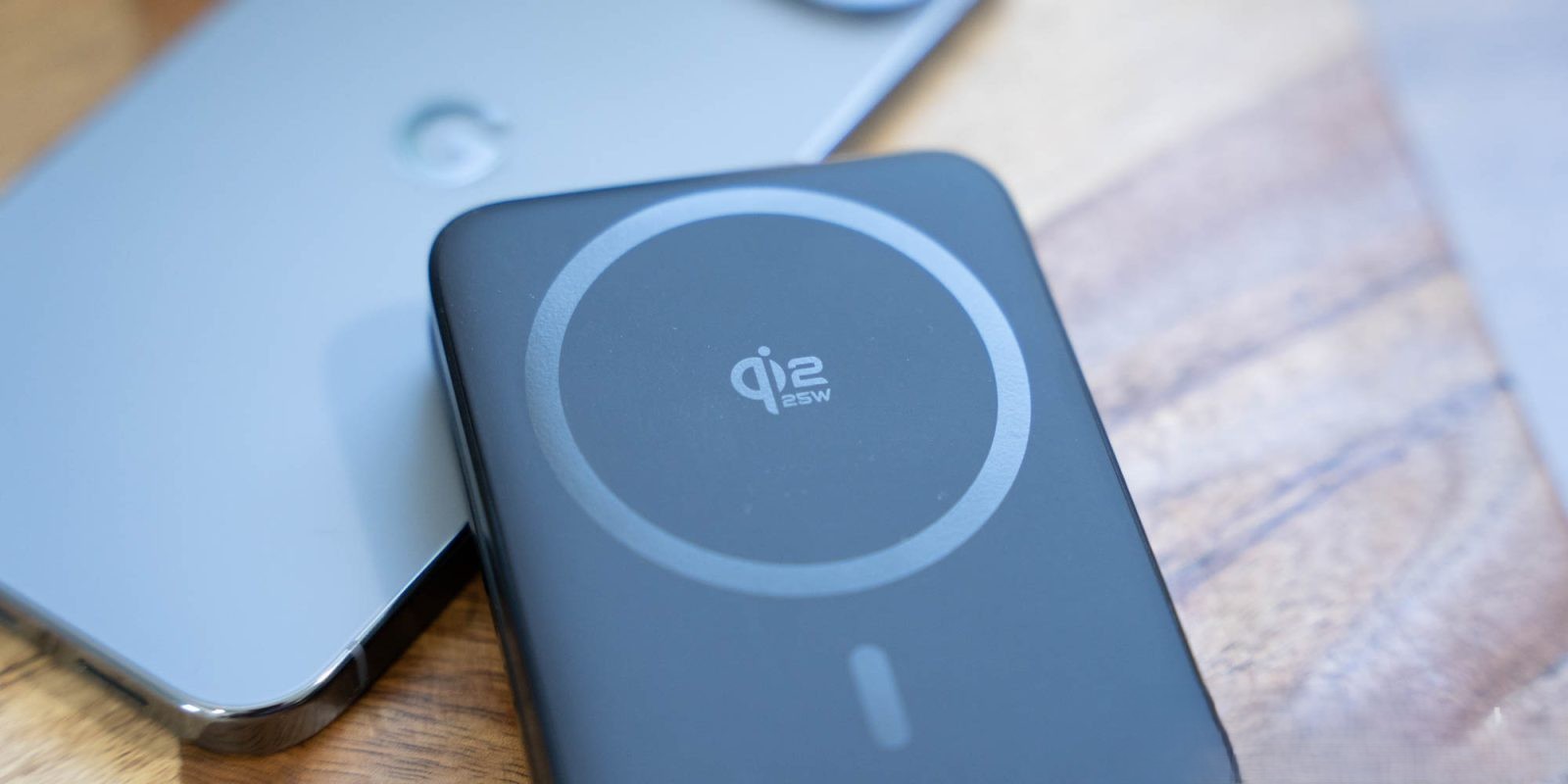
As of June 2026, Google’s Pixel 10 series remains the only Android lineup to fully embrace Qi2 technology. This integration allows Pixel 10 users to benefit from a wide array of Qi2 and MagSafe-compatible accessories, offering a seamless and versatile charging experience. The magnetic alignment ensures optimal positioning on chargers, reducing energy loss and heat generation, which are common issues with misaligned wireless charging.
In contrast, other major Android manufacturers have been hesitant to adopt Qi2. Samsung, for instance, has omitted Qi2 support in its Galaxy S26 series, citing design considerations aimed at achieving slimmer device profiles. This decision follows a similar stance with the Galaxy S25 series, where the absence of Qi2 was attributed to a perceived lack of consumer demand. Samsung’s approach suggests a prioritization of device aesthetics over the functional benefits that Qi2 offers.
Motorola’s recent releases, including the Razr Fold and Razr 2026 lineup, also lack Qi2 support. The company has focused on delivering extended battery life and rapid charging capabilities, achieving over 30 hours of battery life and ultra-fast charging that can provide a full day’s power within 8–15 minutes. While these features are commendable, the absence of Qi2 limits compatibility with emerging wireless charging accessories and the enhanced user experience they provide.
The reluctance to adopt Qi2 is not limited to these brands. OnePlus’s latest flagship, the OnePlus 15, does not support Qi2 magnetic charging due to the lack of built-in magnets. The device offers standard Qi wireless charging but misses out on the improved alignment and efficiency that Qi2 provides. This omission reflects a broader trend among Android manufacturers to prioritize other features over the integration of the latest wireless charging standards.
The slow adoption of Qi2 among Android devices is particularly perplexing given the standard’s backward compatibility. Qi2 chargers can wirelessly charge devices that support the original Qi standard, albeit at the slower Qi speeds. This compatibility ensures that consumers can invest in Qi2 chargers without rendering their existing devices obsolete, providing a future-proof solution as more devices adopt the new standard.
The benefits of Qi2 are clear. The magnetic alignment not only enhances charging efficiency but also reduces heat generation, which can prolong battery health. Additionally, the standardization of magnetic alignment across devices and accessories fosters a more cohesive ecosystem, allowing consumers to use a single charger for multiple devices without compatibility concerns.
Despite these advantages, the Android market’s response has been tepid. The reasons for this hesitation are multifaceted. Manufacturers may be weighing the costs of integrating Qi2 against other hardware improvements or design goals. There may also be a perception that consumers are not demanding this feature, leading companies to allocate resources elsewhere.
However, this cautious approach may be shortsighted. As wireless charging becomes increasingly prevalent, consumers are likely to seek devices that offer the most efficient and user-friendly experiences. The success of Apple’s MagSafe and the positive reception of Qi2 in the Pixel 10 series indicate a growing appreciation for the benefits of magnetic alignment in wireless charging.
Moreover, the accessory market is rapidly embracing Qi2. A wide range of chargers, battery packs, and other peripherals are being developed to support the standard. Android manufacturers that delay adoption risk creating a gap between their devices and the expanding ecosystem of Qi2-compatible accessories, potentially diminishing the appeal of their products to tech-savvy consumers.
In conclusion, the current landscape of Qi2 adoption among Android smartphones is marked by hesitation and missed opportunities. While Google’s Pixel 10 series has set a precedent by fully integrating the standard, other major manufacturers have yet to follow suit. As the benefits of Qi2 become more apparent and consumer demand for efficient wireless charging grows, it is imperative for Android manufacturers to reconsider their stance. Embracing Qi2 not only enhances the user experience but also positions brands at the forefront of wireless charging innovation, aligning with the evolving expectations of the modern consumer.