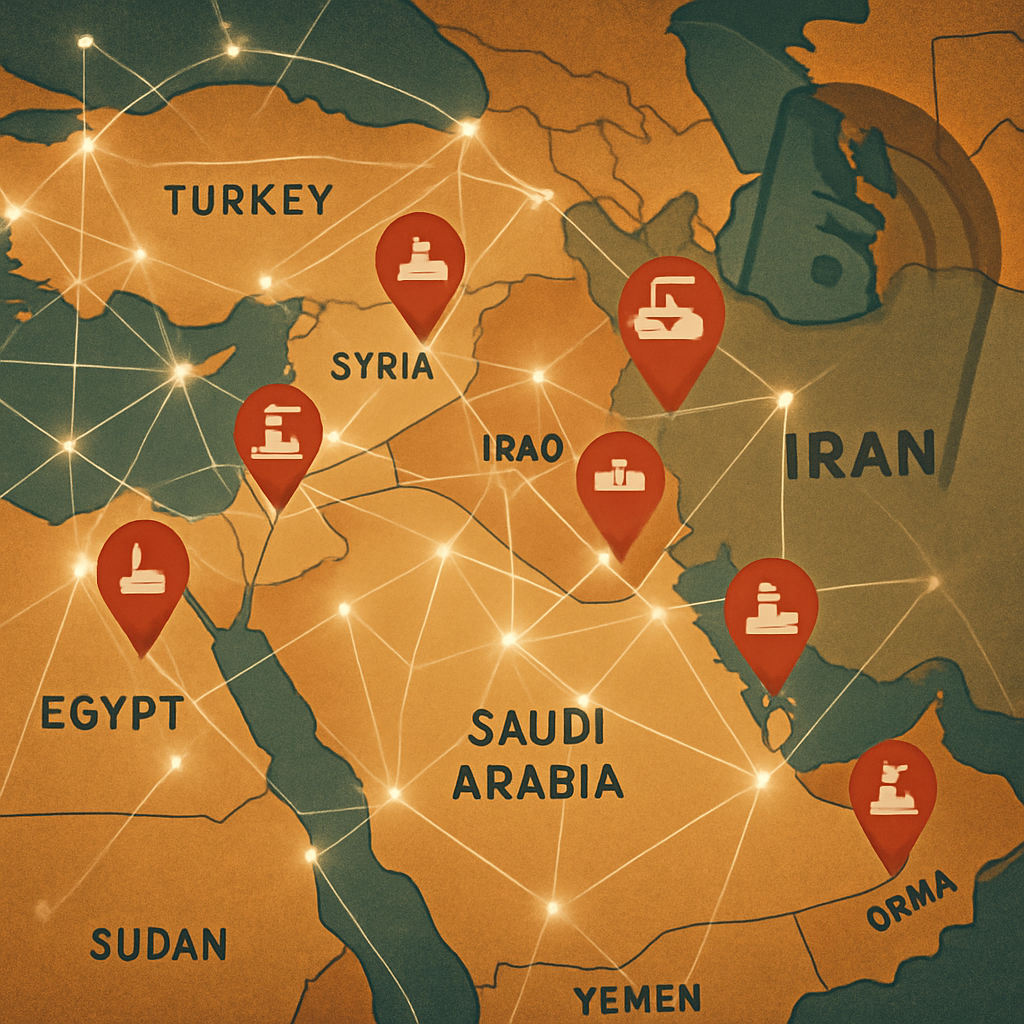
Recent reports have revealed that the Iranian government exploited vulnerabilities in global mobile networks to track the locations of U.S. military personnel stationed in the Middle East. This surveillance occurred both in the lead-up to and during the early stages of the Iran War.
The primary method employed by Iran involved exploiting weaknesses in the Signaling System 7 (SS7) protocol. SS7 is a set of protocols used in 2G and 3G networks to facilitate the routing of calls and text messages between different cellular networks worldwide. Despite its critical role in telecommunications, SS7 has long been known to possess security flaws that can be exploited for unauthorized tracking and interception of communications.
By leveraging these SS7 vulnerabilities, Iranian operatives were able to pinpoint the locations of U.S. military forces situated in various Middle Eastern countries, including Iraq and Bahrain. This intelligence enabled Iran to execute targeted strikes on these positions, resulting in multiple injuries among U.S. personnel.
In addition to SS7 exploitation, Iran also utilized advertising technology designed to deliver personalized ads to mobile users. This technique, commonly referred to as ad tech surveillance, involves collecting and analyzing user data to serve targeted advertisements. However, the same data can be repurposed for tracking individuals’ movements and behaviors without their consent.
The exploitation of SS7 vulnerabilities is not a new phenomenon. Intelligence agencies worldwide have previously utilized these flaws to monitor individuals’ locations and intercept communications. The persistence of these vulnerabilities underscores the ongoing challenges in securing global telecommunications infrastructure against sophisticated cyber threats.
Furthermore, the use of ad tech for surveillance purposes highlights the dual-use nature of many modern technologies. While designed for commercial applications, these tools can be co-opted for intelligence and military operations, raising significant privacy and security concerns.
In light of these developments, it is imperative for telecommunications providers and regulatory bodies to prioritize the strengthening of network security protocols. Addressing the longstanding vulnerabilities in systems like SS7 is crucial to prevent unauthorized access and protect sensitive information. Additionally, there is a pressing need for stricter regulations and oversight concerning the collection and use of personal data in advertising technologies to prevent their misuse for surveillance purposes.
As cyber warfare tactics continue to evolve, the intersection of technology and national security becomes increasingly complex. Ensuring the integrity and security of communication networks is not only vital for protecting military operations but also for safeguarding the privacy and rights of individuals globally.