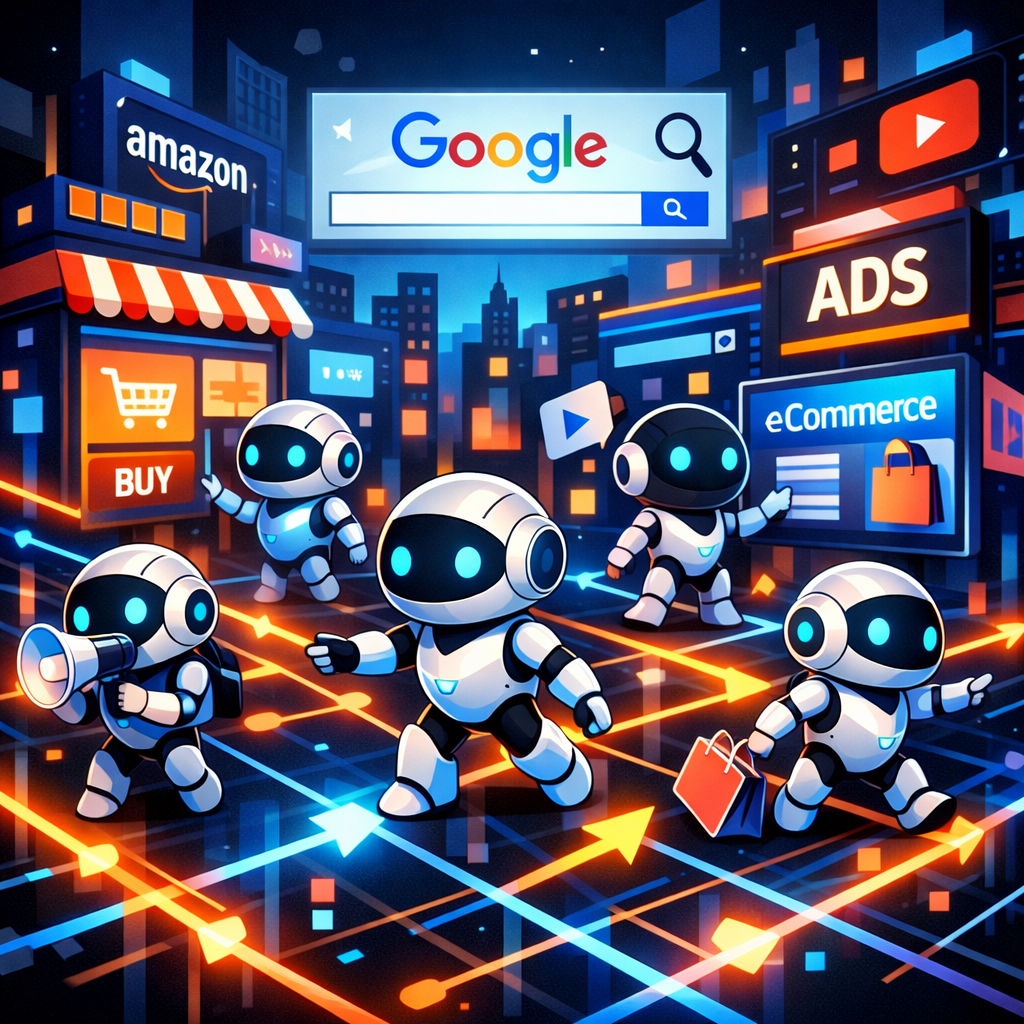
Microsoft CEO Satya Nadella warned that AI agents are poised to fundamentally change how the internet drives value — especially challenging ad-dependent models built around human web traffic. Speaking at a recent summit, he forecast a shakeup akin to when search engines overtook web portals in transforming online economics.
From ‘Human Web’ to Agentic Web
Nadella described current platforms that rely on users browsing websites and consuming ads — what he called the “human web” — as increasingly vulnerable. In his view, the rise of autonomous, user-centric agents will force businesses to rethink whether they get paid for eyeballs or for actions, such as clicks or transactions. Those sticking to traffic-based monetization may lose ground.
He compared the coming shift to past transitions: just as Google replaced Yahoo’s portal model, advertising giants built around generating user visits could be “reshuffled” — displaced by systems that favor direct, measurable interaction. It’s a change in incentives that will ripple through commerce, content, and search.
Agents, Commerce Platforms, and the Battle for Access
One spotlight was Amazon’s move to block AI agents from browsing its catalog or making purchases for users, which Nadella argues is a defensive play to preserve its current business. But such resistance could create openings. Platforms more welcoming to agents — like Shopify — might benefit if agents migrate to places where they’re allowed more freedom to transact.
Nadella emphasized that companies wedded to existing models must adapt or risk falling behind those more willing to embrace agentic systems. Block the agent, and another company will accept it — gaining competitive advantage in the new paradigm.
This perspective isn’t just theoretical. As AI agents become more capable — carrying out searches, making purchases, navigating services — they reduce or bypass the traditional paths that generate ad revenue and page views. Paying for impressions becomes less meaningful when user goals are met directly through agents.
Still, there are unanswered questions. How will ad dollars be distributed in a world where agents pull content or services instead of users navigating to them? What regulatory scrutiny will arise around agent access to data and service interfaces? The rules governing platforms, privacy, and ownership of digital experiences will face major pressure.
Satya Nadella’s forecast puts businesses at a crossroads: adapt to an era where agents broker many of our digital interactions, or risk being sidelined. The shift away from human-web oriented models toward agent-driven economics could rewire incentives across the web — from advertising and search to commerce and beyond.
Analysis: This isn’t just another tech trend. It signals the next stage in the internet’s evolution. When AI agents become default intermediaries for search, shopping, and content, companies that monetize clicks and impressions may see dwindling returns. The winners will be those who build infrastructure, platforms, and systems that allow agents to serve users natively — enabling transactional value, trustworthy integrations, and seamless experiences. Watch for partnerships, policy battles, and new business models aimed at giving agents the access they need without breaking existing regulatory or competitive guardrails.