Revitalizing Cherokee: How iPads and Macs Are Empowering Language Preservation
The Cherokee language, once a vibrant means of communication among the Cherokee people, is now at a critical juncture. With a global population nearing 480,000, only about 1,500 individuals—approximately 0.31%—are fluent in Cherokee. This alarming decline has spurred educators and community leaders to seek innovative solutions to preserve and revitalize their linguistic heritage.
In Tahlequah, Oklahoma, the heart of the Cherokee Nation, the Cherokee Immersion School has emerged as a beacon of hope. Recognizing the potential of modern technology in language education, the school has integrated Apple’s iPads and Macs into its curriculum, aiming to make learning Cherokee both engaging and effective for the younger generation.
Roy Boney Jr., a Cherokee artist deeply involved in language preservation, collaborated with Apple engineers to incorporate the Cherokee syllabary into Apple devices. He emphasizes the importance of this initiative, stating, A big part of being Cherokee is ensuring things like language and culture survive and continue. In previous generations, it was just passed down naturally.
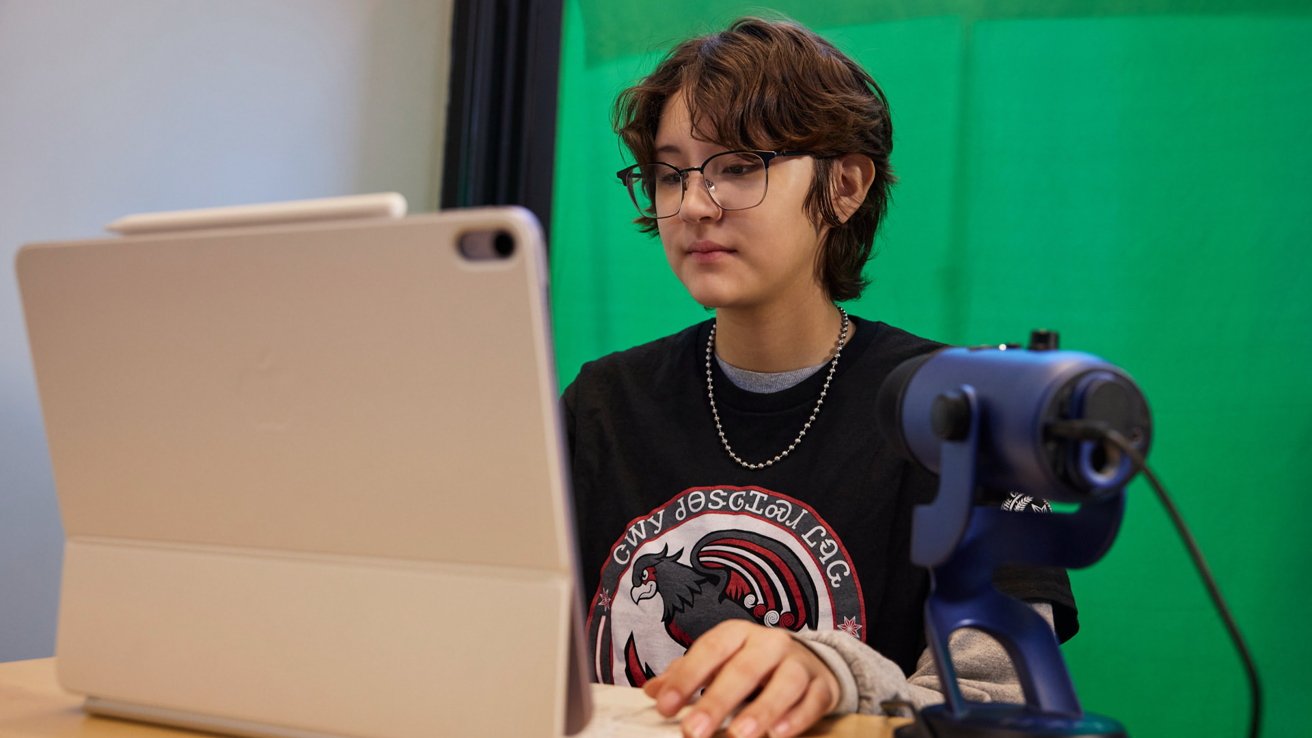
The integration of technology has transformed traditional teaching methods. Students now utilize iPads to record themselves reciting vocabulary, allowing them to practice pronunciation and fluency outside the classroom. This approach is particularly beneficial in preparing for events like the Cherokee Language Challenge Bowl, where accurate pronunciation and comprehension are crucial.
Erlinda Daksi Soap, a dedicated teacher at the school, leverages these tools to enhance her students’ learning experiences. She notes that the ability to record and listen to their own voices helps students identify areas for improvement and build confidence in their language skills.
The broader impact of this technological integration is profound. Chuck Hoskin Jr., the Cherokee Nation’s principal chief, highlights the significance: The technology that we utilize with Apple has allowed us to take everything that we really are trying to achieve here, which is the perpetuation and the revitalization of Cherokee language and culture, and use that same technology to make it relevant to the young people that are learning here.
Storytelling, a cornerstone of Cherokee culture, has also been revitalized through technology. In teacher Tyler Teague’s class, students use Keynote on iPads to create animated stories. This not only fosters creativity but also reinforces language skills as students narrate their stories in Cherokee. Teague envisions expanding this initiative by developing a custom machine learning model and creating an app using Apple’s Swift Playground, further blending traditional storytelling with modern technology.
The success of the Cherokee Immersion School’s approach underscores a broader trend: the potential of technology to preserve endangered languages. By making language learning interactive and accessible, tools like iPads and Macs can bridge the gap between generations, ensuring that languages like Cherokee continue to thrive.
Bryan Warner, the Cherokee Nation’s deputy principal chief and a former educator, reflects on the transformative power of this initiative: Without Apple products and the things that we do today, we would not be able to see the language moving as fast as it is.
The collaboration between the Cherokee Nation and Apple serves as a model for other communities facing similar challenges. It demonstrates that with the right resources and innovative approaches, it is possible to breathe new life into endangered languages, preserving them for future generations.