Meta has tentatively agreed to pay up to $18 billion and implement significant changes across its platforms to resolve a landmark lawsuit accusing it of harming teenagers through its social media services. The proposed settlement comes after legal action by attorneys general from 48 U.S. states and territories. Two states—New Mexico and Florida—did not join this agreement.
Under the terms, Meta’s payout depends on cooperation from TikTok and YouTube. If those companies comply with the same terms, Meta would make the full $18 billion payment; if not, Meta’s obligation drops to 70% of the total, about $12.6 billion. The two other platforms would be responsible for $5.3 billion combined and must adopt the same operational changes.
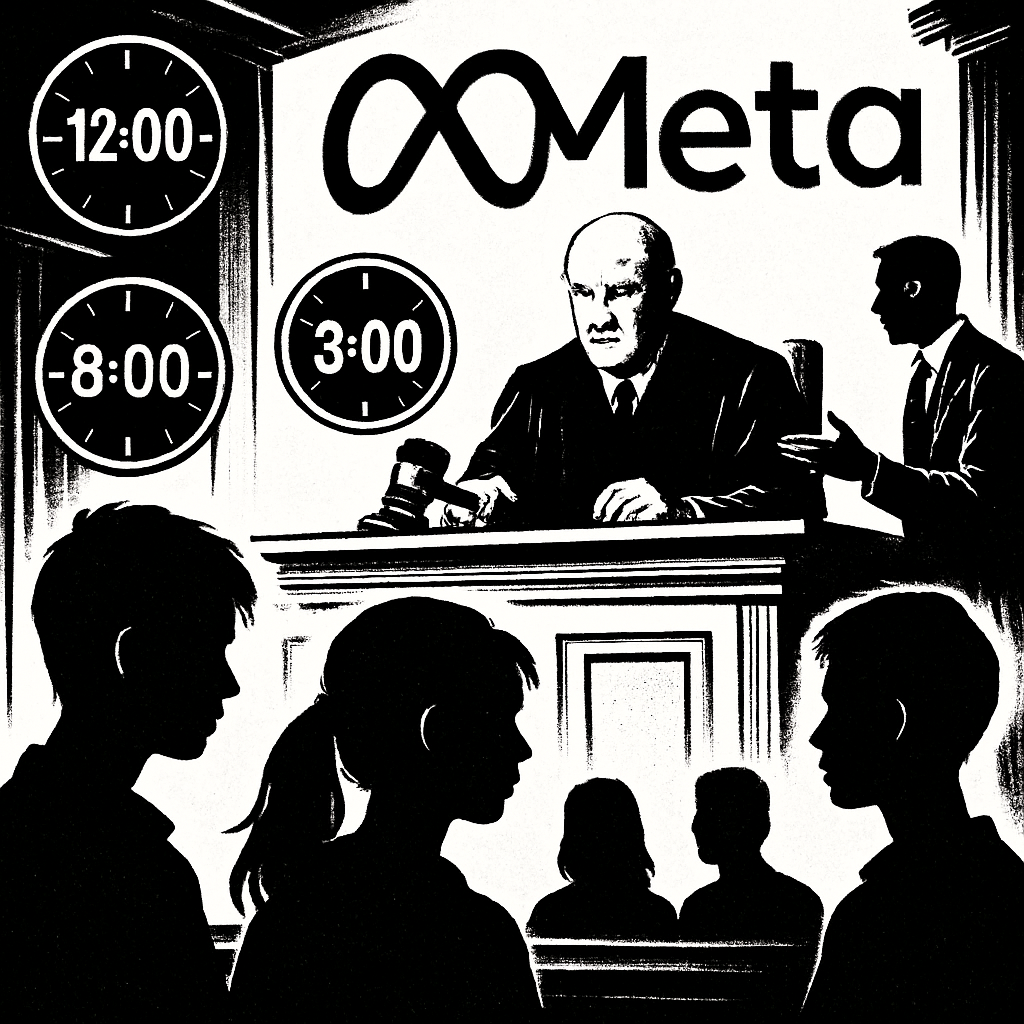
Payments to the states are structured over ten years, with each state’s share based on population size. To address safety concerns for underage users, the settlement mandates Meta establish a one-hour default daily usage limit for minors. It also requires implementing a “night mode” that blocks access between midnight and 6 a.m., and a “school mode” that silences push notifications between 8 a.m. and 3 p.m.
This deal would supplant ongoing trials brought by attorneys general in California, Colorado, Kentucky, and New Jersey. These states alleged that Meta violated their consumer protection laws and the federal Children’s Online Privacy Protection Act (COPPA).
Originally, state AGs had sought approximately $200 billion in damages. The proposed payout from Meta—and potentially TikTok and YouTube—is less than 10% of that figure. Latest, in a separate case, New Mexico won a trial that ordered Meta to pay $375 million in civil penalties plus an abatement fund of $567 million and make platform changes.
The agreement still requires court approval to become final. While this would settle the multi-state lawsuit, it won’t resolve all of Meta’s legal exposure. Meta remains entangled in lawsuits filed by school districts and individuals who allege harm from how its social media platforms are designed and operated.
This settlement would mark one of the largest tech-industry payouts over social media’s effects on youth. It reflects growing regulatory and legal scrutiny of how platforms manage teen safety, usage limits, and notification protocols.
What this means: If approved, Meta and its social media peers will be required to adopt settings that limit teens’ screen time, reduce distractions during school and at night, and give parents or guardians more control by default. States will monitor compliance over a decade, while individual users or plaintiffs may still pursue their own claims. For the tech industry, this case redefines expectations—platforms may soon face similar demands everywhere.