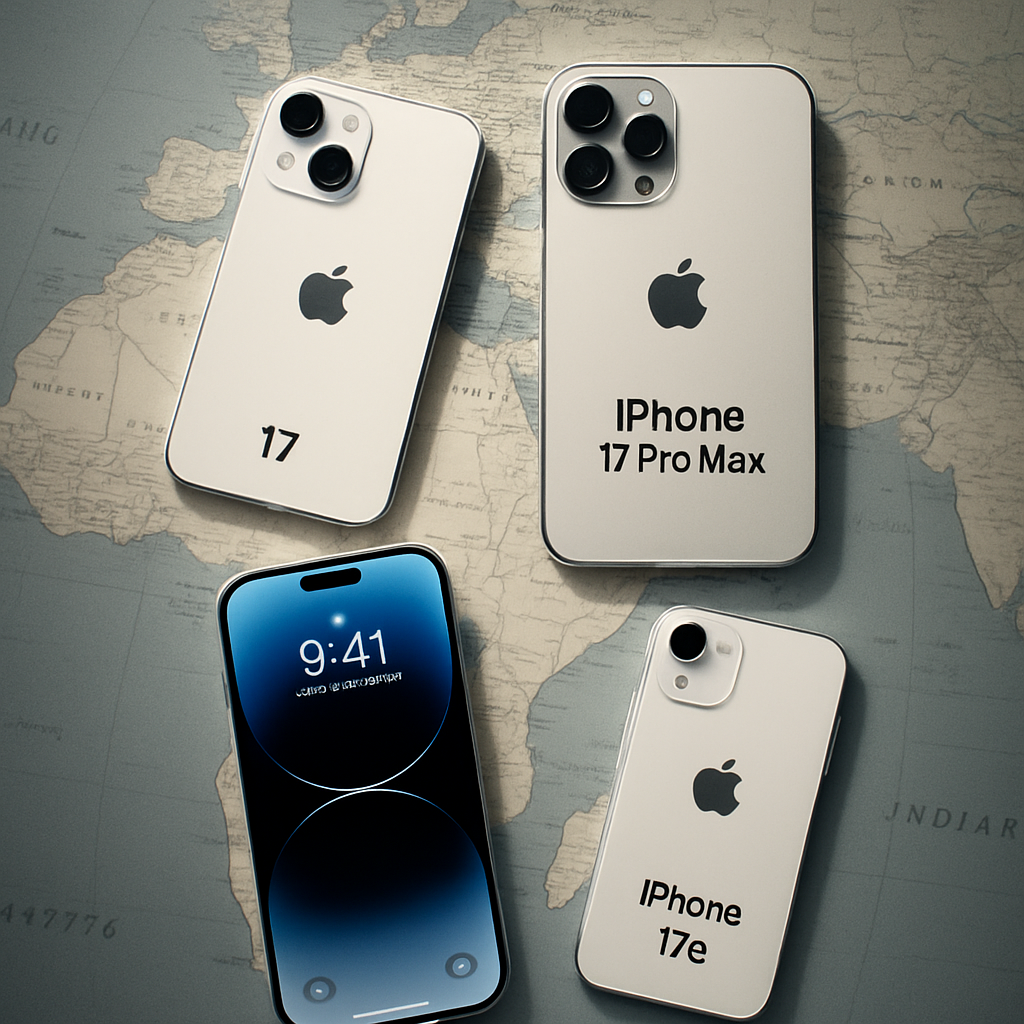
Sales figures from the second quarter of 2026 confirm that the iPhone 17 remains the world’s top-selling smartphone model, maintaining its lead from earlier in the year. Apple captures not just first place, but fills three of the top spots with its iPhone 17 series devices, marking a strong performance amid a shrinking market.
Apple’s iPhone 17 Series Sweeps Top Rankings
According to data from Counterpoint Research, the standard iPhone 17 was once again the most sold smartphone globally in Q2 2026, with the iPhone 17 Pro Max coming in second and the iPhone 17 Pro third. The Samsung Galaxy S26 Ultra trailed the Apple devices in fourth. Two more Apple models landed on the top ten list: the iPhone 17e took seventh place, while the iPhone 16 placed tenth, meaning half the chart was owned by iPhones. This pattern mirrors the same spread seen in Q2 2025, when Apple also claimed first, second, third, seventh, and tenth spots, largely through its iPhone 16 and iPhone 15 lineups.
Resilience Amid Market Contraction
Even as the global smartphone market contracted by about 11% year-over-year, Apple defied the trend. Its overall shipments comprised 23% of the total volume, yet they generated nearly half of all global smartphone revenue in the quarter. Rising iPhone sales in regions like India, Japan, and the Middle East and Africa, along with a near doubling of units sold in South Korea, were key contributors to Apple’s growth in Q2 2026. Analysts attribute this uptick to Apple’s decision to close the feature and pricing gap between its standard and Pro-level iPhones, particularly evident in the new iPhone 17 lineup.
The broader chip shortage affecting the industry has pushed many manufacturers to focus on premium-tier models. Apple and Samsung both posted gains, even while overall demand softened. In a context where non-premium phones are struggling, Apple’s strength in its newer models and the evident demand for the iPhone 17 series stand out.
What this signifies is more than just a sales ranking—it’s validation of Apple’s strategy to elevate base models and blur the lines that once separated Pro-tier features. By doing so, the company appears to be extracting even greater value across its product lineup in a downturned market.