This week in Apple news brought a mix of hardware upgrades, software patches, and whispers of innovative wearables—all pointing toward Apple sharpening its focus on performance, price, and health tech.
M6 Mac mini: Upgrades come with a cost
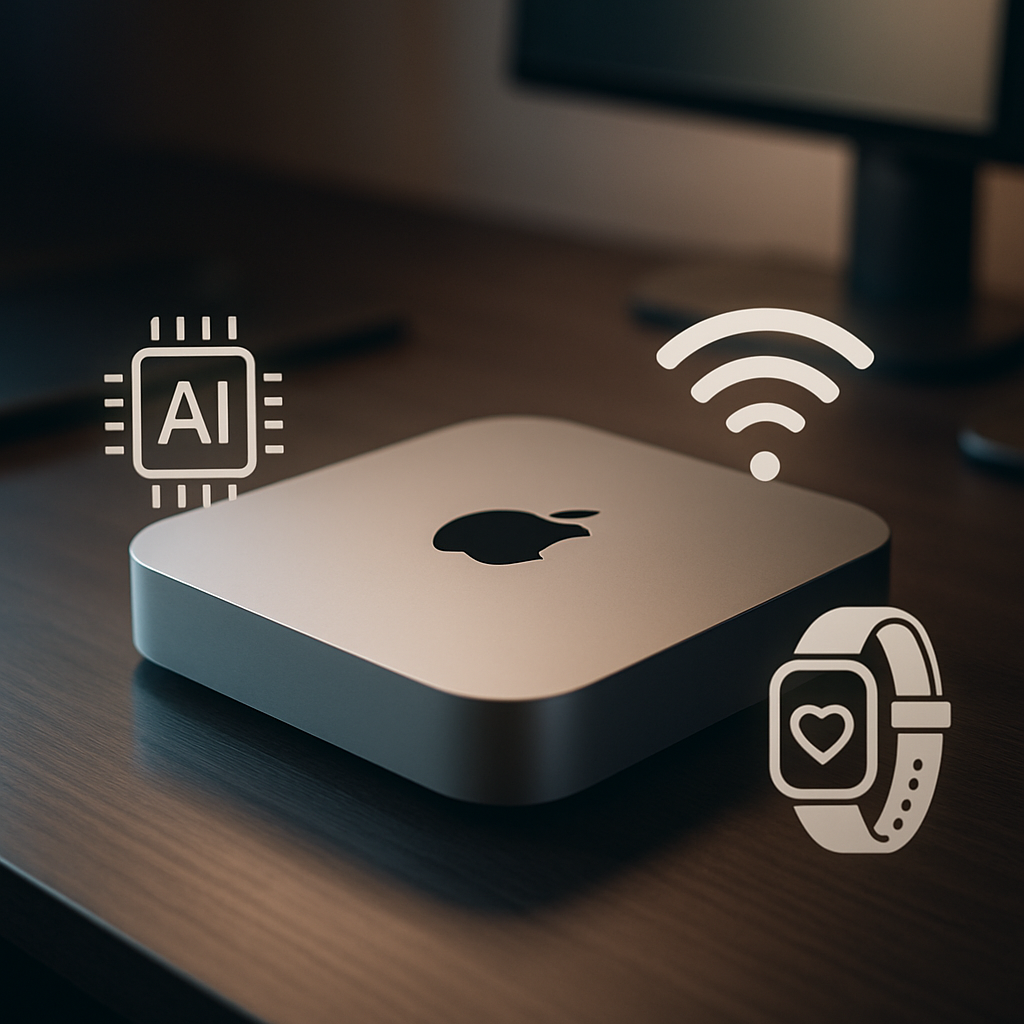
The new Mac mini has received its most substantial silicon refresh to date. The base model now uses Apple’s 2-nanometer M6 chip, with 12 CPU and 12 GPU cores, delivering significant performance gains over the previous M4 generation. Unified memory bandwidth jumps from 120 GB/s to 170 GB/s, and GPU power and AI acceleration have also seen notable boosts.
Most of the design remains familiar—compact footprint, same port layout—but connectivity has improved. 2.5-Gbps Ethernet is now standard; upgrades to Wi-Fi 7 and Bluetooth 6 bring the mini up to date with modern wireless tech. Thunderbolt port counts depend on chip options: the standard M6 version uses three Thunderbolt 4 ports, while the higher-end Pro SKU gets Thunderbolt 5.
The sticker shock, however, is real. The starting price has risen to $899 for the base M6 model—$300 more than the M4 launch in 2024. Despite the gains in CPU, GPU, and storage speeds, the entry storage remains at 256 GB, meaning users may have to spend extra for more space. Many reviewers note the value is good, but not the blow-your-mind bang for the buck Apple once delivered.
Big fixes, new rumors, and Apple Music Hall
On the software front, Apple is rolling out fixes for several bugs. A critical issue with iPhone 18 Pro and Pro Max has been identified: failed Face ID attempts on locked apps could freeze the screen and cause a hard reboot. Apple confirmed that a software update to address this will arrive early next week. At the same time, watchOS 27.0.1 fixes random restarts affecting Apple Watch Series 12 and Ultra 4 models.
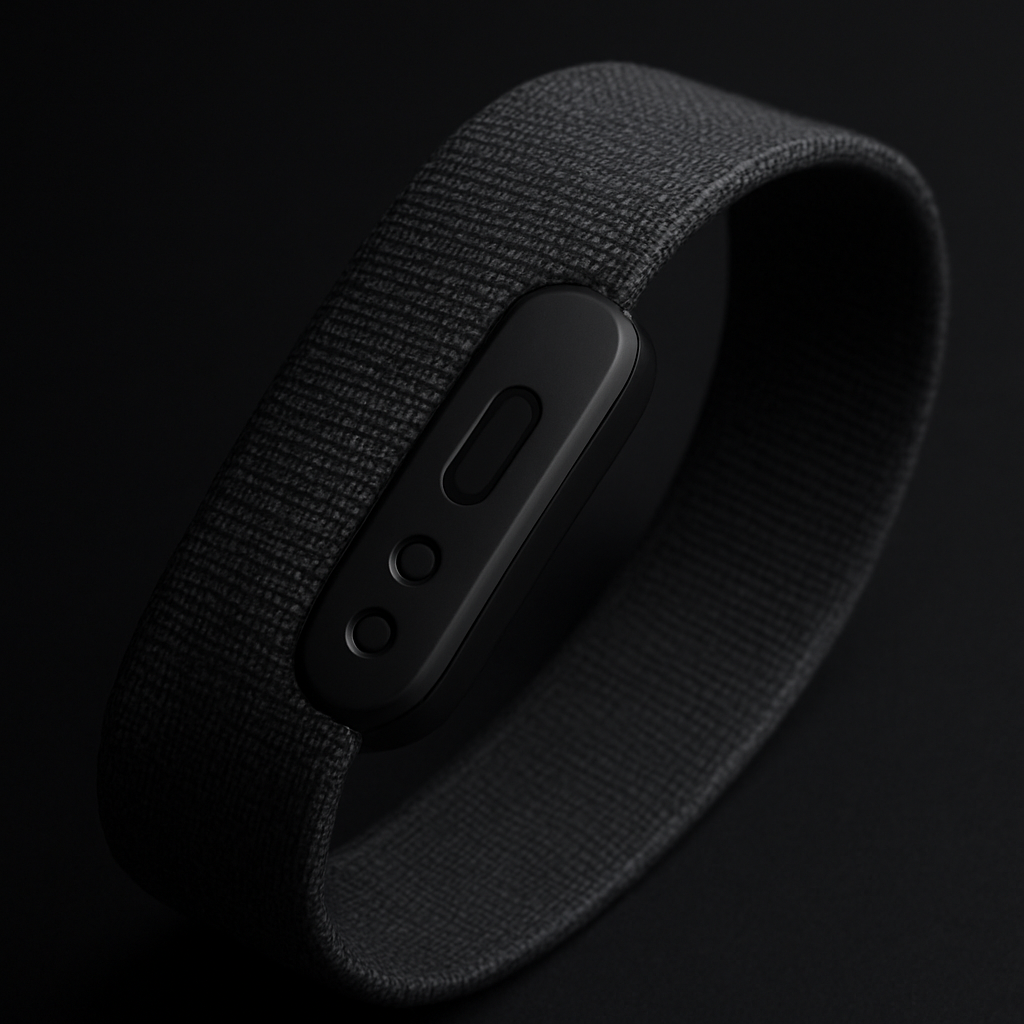
Beyond fixes, Apple may be exploring a screenless fitness band in the mold of Whoop. Prototypes reportedly combine a fabric band with an embedded sensor module. The product isn’t expected to arrive before 2028, and it’s still in early-stage development—if it moves forward at all.
In lifestyle offerings, Apple is expanding its brand experience: Apple Music Hall—an intimate live-music venue in Battersea, London—opens September 28. Plus, iCloud+ now includes bundled access to Apple Arcade and Apple TV+ in over 100 markets. This continues Apple’s trend of pushing further into services with premium real-world and digital experiences.
What this means
The M6 Mac mini’s performance shows how aggressive Apple is becoming with its chip development, especially around AI workloads and graphics—with more throughput and newer wireless standards bringing long-awaited upgrades. But the price increase marks a turning point: Apple is signalling that its entry-level Macs no longer aim to be bargains—they’re premium small desktops now.
On the software side, the repros and patches suggest tech launches these days are always a work in progress. New hardware often ships with unexpected issues, and Apple’s ability to deliver timely fixes will continue to shape its reputation. Meanwhile, the screenless fitness band rumors hint at a broader health tech strategy: if executed well, a non-display wearable could carve out space between smartwatches and minimalist trackers.
In short: expect sharper performance, steeper prices, and a deeper push into purpose-built devices. Whether that means more choice or more compromise will depend not just on what Apple releases, but how fast it can fix the parts that break.