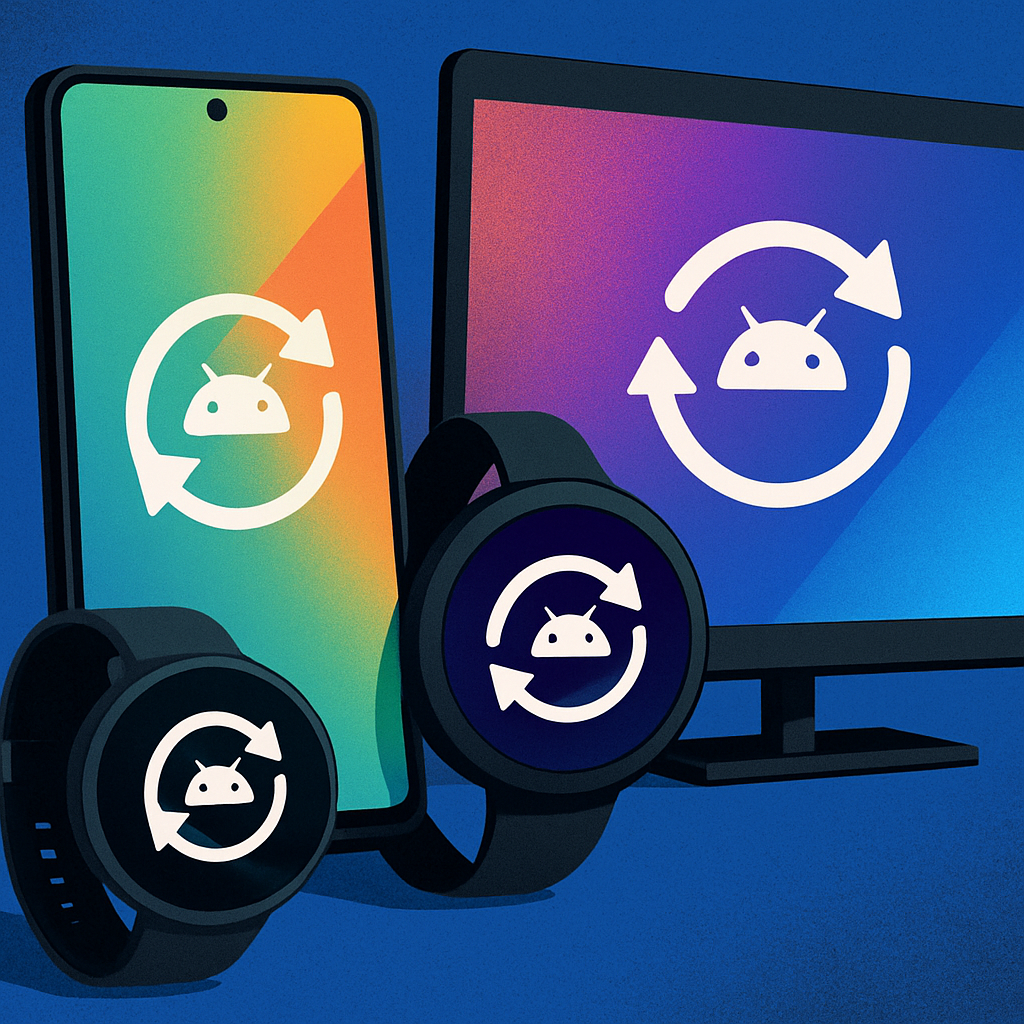
Google has rolled out its September 2026 System Updates, introducing new developer tools, interface tweaks, and feature expansions across Play services, Play Store, Android WebView, and Android AICore. These updates touch nearly every product segment—from phones and tablets to TV, Auto, Wear OS, and PC.
Key changes in Play services & Play Store
The latest Play services version 26.36 (dated September 14) brings improvements in account management, bug fixes, and fresh developer capabilities. In particular, apps can now better handle mapping features and device connectivity—with fixes spanning diagnostics across Auto, PC, Phone, TV, and Wear OS too. Also notable: real-time cart price updates are now supported in Google Wallet when users switch their payment method during checkout. These tweaks aim to make all-around system interactions more seamless.
On the Play Store side (version 53.2, same date), a new Contribution Hub section has been added under the “You” tab where users can submit ratings and reviews and keep track of their social impact. The September 7 update to Play Store (v53.1) makes it easier to compare similar apps via short feature descriptions, see where apps are installed across a user’s devices, and adds a redesigned navigation bar on the home page geared toward helping users explore interests more readily.
WebView, Android System Intelligence & AI enhancements
Android WebView version 154 (from September 10) shifts its Finch behavior from being “application consistent” to “device level consistent,” improving uniformity across system components. It also brings under-the-hood security, privacy, and bug fixes, plus developer tools for better handling of web content within apps.
Meanwhile, Android System Intelligence build B.29 / C.7 (rolled out on September 3) is focused largely on stability, with bug fixes and maintenance improvements—but the update remains relatively modest in terms of new features for end users.
The Android AICore update expands behind the scenes: better model management, broader device compatibility, performance optimization, and enhanced diagnostics. These are intended primarily for developers but could signal future user-facing AI expansions.
Other functional changes
The earlier update to Play services (v26.35, September 7) adds a smarter supervision system for parents and guardians, integrates regulatory compliance notices into the Kids Auth Module, and shows safety status updates in location sharing APIs. Wallet gets new polish too: tools to add physical transit cards via NFC, and a slicker success screen after adding cards.
Across all updates, Google’s release notes stress that newly announced features may not be available everywhere right away—some are still experimental or rolling out gradually.
What This Means & What to Watch
This month’s update continues a broader Google pattern: incremental improvements over headline features. The focus is on polishing user experiences—shopping via Wallet, cross-device visibility, and parental oversight—while laying groundwork in AI and connectivity for longer-term gains. Going forward, check whether AI core enhancements lead to more visible features, how WebView behavior shifts impact app performance, and when regional rollouts bring these new tools to your device.