The Los Angeles Police Department (LAPD) has decided not to renew its contract with Flock Safety, a company specializing in surveillance technology, due to significant concerns regarding civil liberties and privacy. This decision marks the conclusion of a three-year agreement that provided the LAPD access to Flock’s extensive network of license plate recognition cameras.
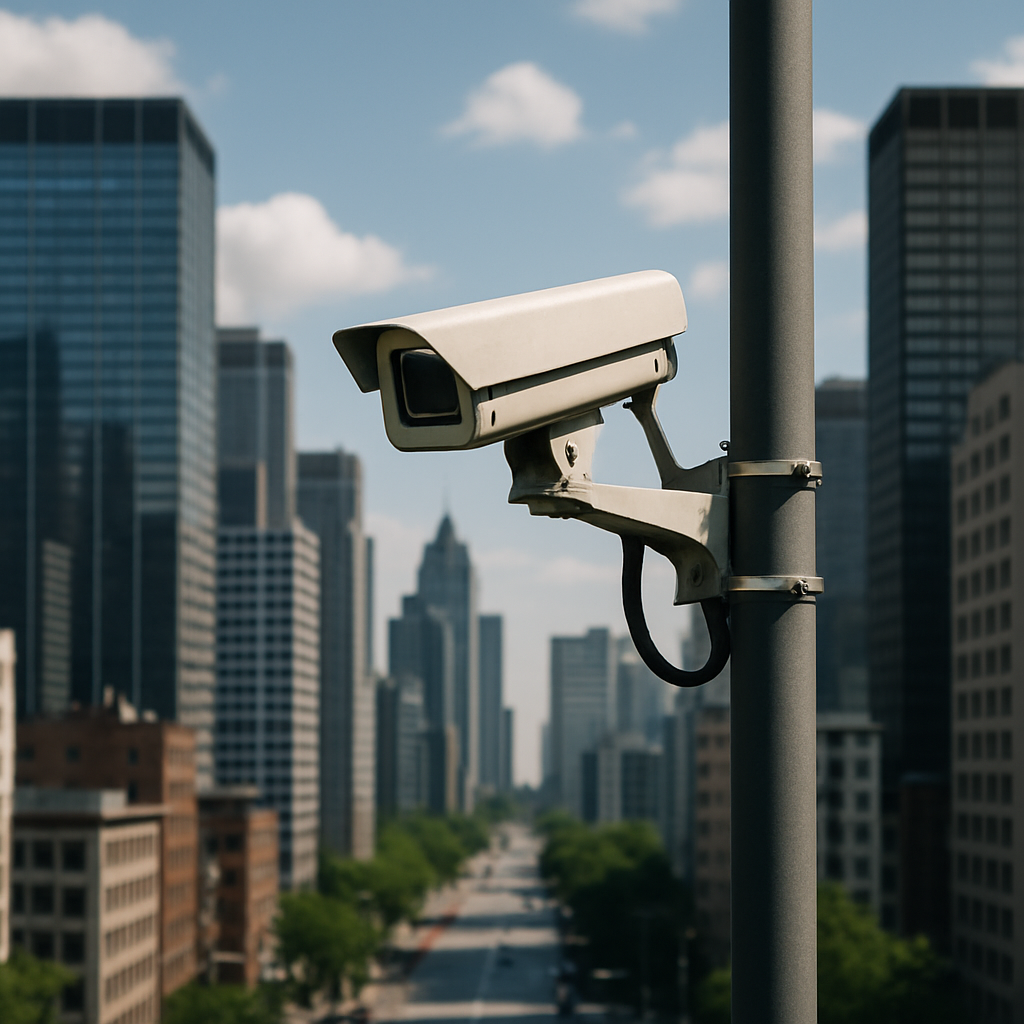
Flock Safety, headquartered in Atlanta, operates a vast array of cameras across the United States, capturing vehicle images and license plates to assist law enforcement agencies in tracking vehicles associated with criminal activities. The LAPD’s collaboration with Flock involved 138 pole-mounted cameras strategically placed throughout Los Angeles, enabling the department to monitor and identify vehicles reported as stolen or linked to known fugitives.
However, the partnership has been met with growing apprehension from privacy advocates and community groups. Critics have raised alarms about the potential misuse of collected data, particularly concerning its accessibility to federal agencies such as U.S. Immigration and Customs Enforcement (ICE). These concerns are rooted in fears that the surveillance data could be utilized to enforce immigration policies, potentially infringing upon the rights of individuals within the community.
Dean Gialamas, the LAPD’s Chief Information Officer, emphasized the department’s commitment to addressing these issues. He stated that the decision to let the contract expire was driven by unresolved questions about data ownership, security, and sharing practices. Gialamas highlighted the necessity for clear contractual terms that define who controls the data and how it is utilized, underscoring the importance of protecting civil liberties and privacy rights.
In response to the LAPD’s decision, Flock Safety expressed surprise and disappointment. The company asserted its dedication to implementing robust privacy protections and oversight mechanisms. A spokesperson for Flock conveyed confidence in resolving the current misunderstandings and expressed hope for resuming the partnership with the LAPD in the future.
This development is part of a broader trend where municipalities are reevaluating their relationships with surveillance technology providers. Cities like Mountain View, California, and South Portland, Maine, have previously terminated contracts with Flock Safety, citing similar privacy concerns and potential conflicts with local sanctuary city policies. These actions reflect a growing movement to scrutinize the balance between public safety initiatives and the preservation of individual privacy rights.
The LAPD’s decision to end its agreement with Flock Safety underscores the complex challenges law enforcement agencies face in integrating advanced surveillance technologies while upholding civil liberties. As the department seeks to renegotiate terms that address privacy and data security, this case may serve as a precedent for other jurisdictions grappling with similar issues. The outcome of these negotiations could significantly influence the future landscape of surveillance practices and the protection of individual rights in the digital age.