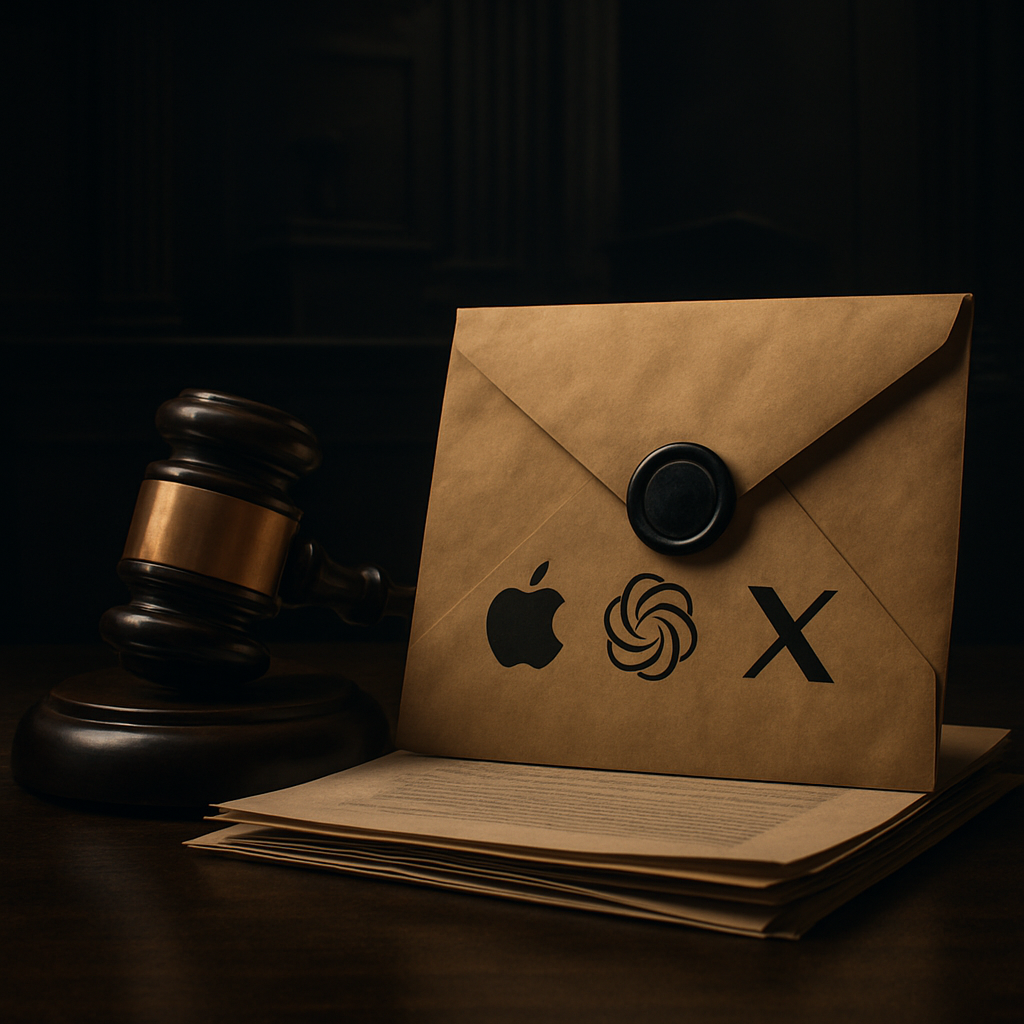
A federal judge has turned down OpenAI’s push to obtain the confidential settlement between X and SpaceXAI with Apple in their ongoing antitrust dispute. The decision comes after the lawsuit was pared down to name only OpenAI, following X and SpaceXAI’s agreement to dismiss their claims against Apple. The core of the case alleges Apple and OpenAI collaborated to block rival AI apps from app store visibility, claims Apple disputes.
What led to the fight over access to the settlement
When X and SpaceXAI settled with Apple, the court was notified that their parts of the lawsuit would be dropped. However, OpenAI, still in the case, filed an emergency motion to review the terms of that settlement. OpenAI argued those terms might impact its defense in the claims that are still active. In response, Judge Mark Pittman ordered X and SpaceXAI to provide the confidential agreement for in‐camera review, meaning only the judge could inspect it and decide if it was relevant.
Judge’s ruling: confidential settlement not relevant
After reviewing the settlement privately, Judge Pittman concluded that its contents do not shed light on any issues that will be decided at summary judgment or trial. He emphasized the high bar courts set for compelling disclosure of settlement agreements and noted that even though such documents are sometimes produced, they must clearly relate to specific issues still in dispute. In this instance, the judge found no directly relevant material for the remaining case against OpenAI.
The court is moving forward with the claims solely against OpenAI. OpenAI has been granted extra time to prepare its motion for summary judgment—a legal move aimed at resolving part or all of the case without going to full trial.
Under the dismissed portion of the lawsuit, X and SpaceXAI alleged that Apple unfairly limited their AI tools from gaining exposure on the App Store, effectively disadvantaging them in the AI ecosystem. Apple denied those allegations. The dismissed claims have ended with the settlement. What remains are only the allegations that involve OpenAI’s conduct.
This decision means OpenAI must defend itself without access to any possibly analogous agreements between Apple and other entities—unless the judge later finds some relevance in new evidence or arguments. Legal observers say this helps maintain confidentiality norms in settlement law while underscoring how narrowly courts draw lines when assessing relevance.
What this means going forward:OpenAI moves alone in this litigation. Its summary judgment motion will test whether any claims against it can be resolved on legal reasoning alone, without trial. The judge’s ruling preserves Apple’s privacy over its settlements in other cases (for now) and signals how judicial scrutiny over discovery requests is shaped by relevance criteria more than speculation.