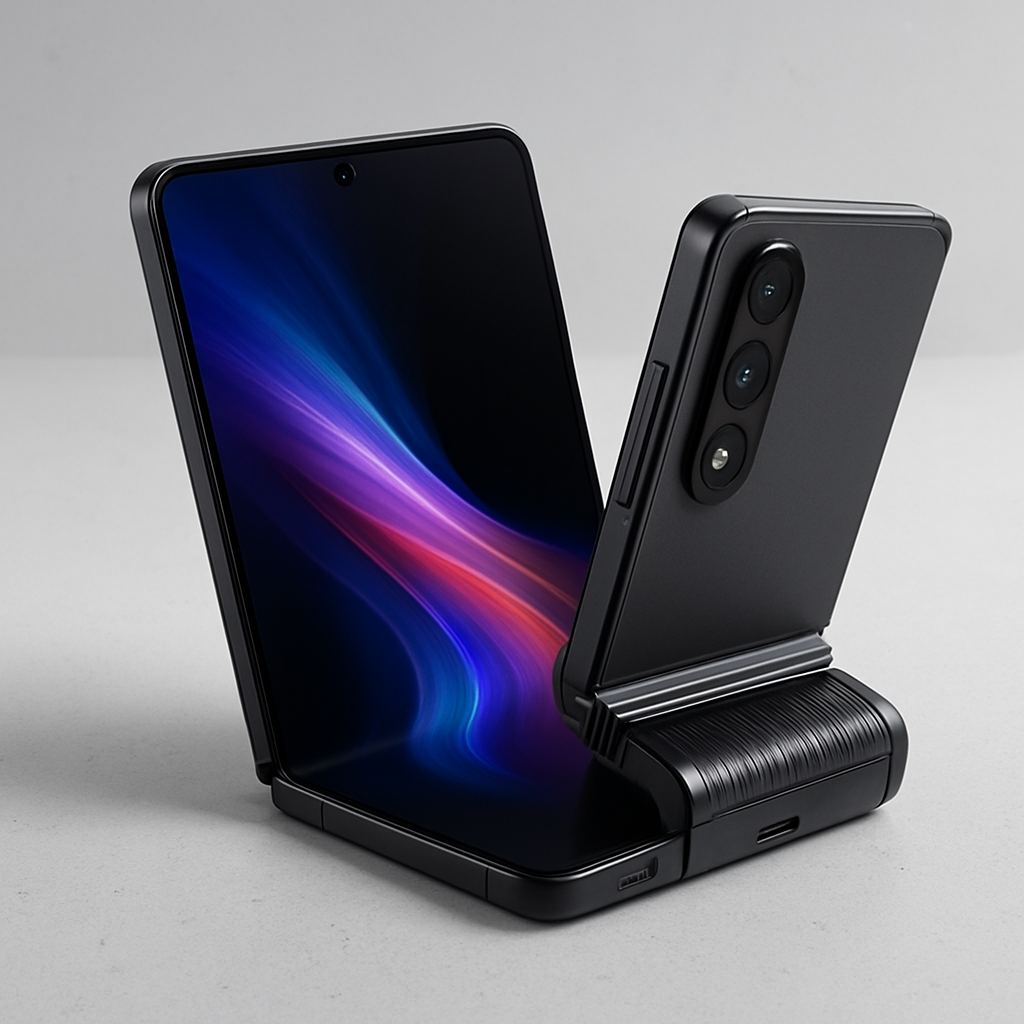
Since the debut of Samsung’s Galaxy Fold in 2019, foldable smartphones have faced persistent challenges, particularly concerning hinge durability and dust ingress. Early models were notably susceptible to debris entering the hinge mechanism, leading to screen damage and functionality issues. Despite advancements over eight generations, reports indicate that these problems persist in Samsung’s latest foldables.
Apple has been notably cautious in entering the foldable market, reportedly due to concerns over similar issues. The company has prioritized addressing two primary challenges: the visibility of the screen crease when unfolded and the robustness of the hinge mechanism. Collaborations with display manufacturers have focused on minimizing the crease, while extensive testing aims to ensure hinge durability.
Ingress Protection (IP) ratings serve as a standard measure of a device’s resistance to dust and water. Samsung’s Galaxy Z Fold 8, for instance, carries an IP48 rating, indicating limited protection against small particles. In contrast, Apple’s existing devices, like the iPhone 17 Pro, boast an IP68 rating, offering substantial dust and water resistance. The forthcoming iPhone Ultra is anticipated to meet or exceed these standards, reflecting Apple’s commitment to durability.
Apple’s methodical approach suggests a focus on delivering a foldable device that not only offers innovative features but also addresses the durability concerns that have plagued competitors. The iPhone Ultra’s anticipated launch will reveal whether Apple’s strategies effectively mitigate the longstanding issues associated with foldable smartphones.