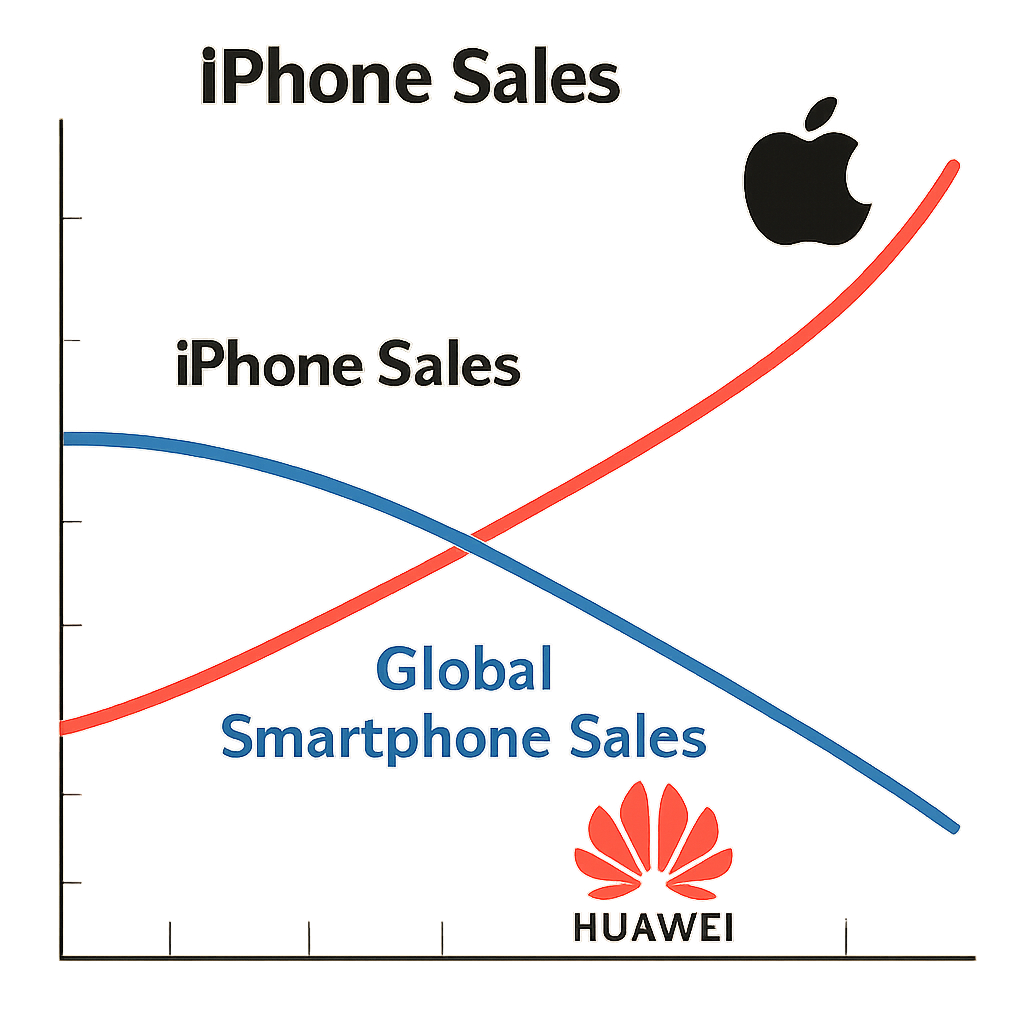
Recent data from Counterpoint Research indicates a significant shift in the global smartphone market dynamics. Between May 11 and May 17, 2026, overall smartphone sales declined by 8% year-over-year, marking the ninth consecutive week of contraction. In stark contrast, Apple experienced a 10% increase in iPhone sales during the same period, showcasing its resilience amid industry challenges.
Huawei also reported a substantial 23% year-over-year growth, positioning itself alongside Apple as an exception in a declining market. Conversely, other leading manufacturers faced downturns: Samsung’s sales decreased by 1%, Oppo by 10%, Xiaomi by 17%, and Vivo by 19%. Collectively, sales from all other brands fell by 19%.
The broader market decline is attributed to several factors, including persistent memory shortages leading to increased component costs. These challenges have compelled original equipment manufacturers (OEMs) to implement strategies such as price hikes, adjustments in product launch schedules, and aggressive cost-cutting measures. Notably, promotional events in key markets like China and India failed to stimulate demand, underscoring the severity of the current market conditions.
Apple’s ability to navigate these challenges is largely due to its robust supply chain management and strategic pricing. The company’s proactive approach has enabled it to maintain consistent pricing and promotional strategies, even as competitors struggle with supply chain disruptions and rising costs.
Looking ahead, the smartphone industry faces continued pressures from component shortages and economic uncertainties. However, Apple’s recent performance suggests that companies with strong supply chain control and strategic agility can not only withstand these challenges but also achieve growth. This trend highlights the importance of operational resilience and strategic foresight in navigating the complexities of the global smartphone market.