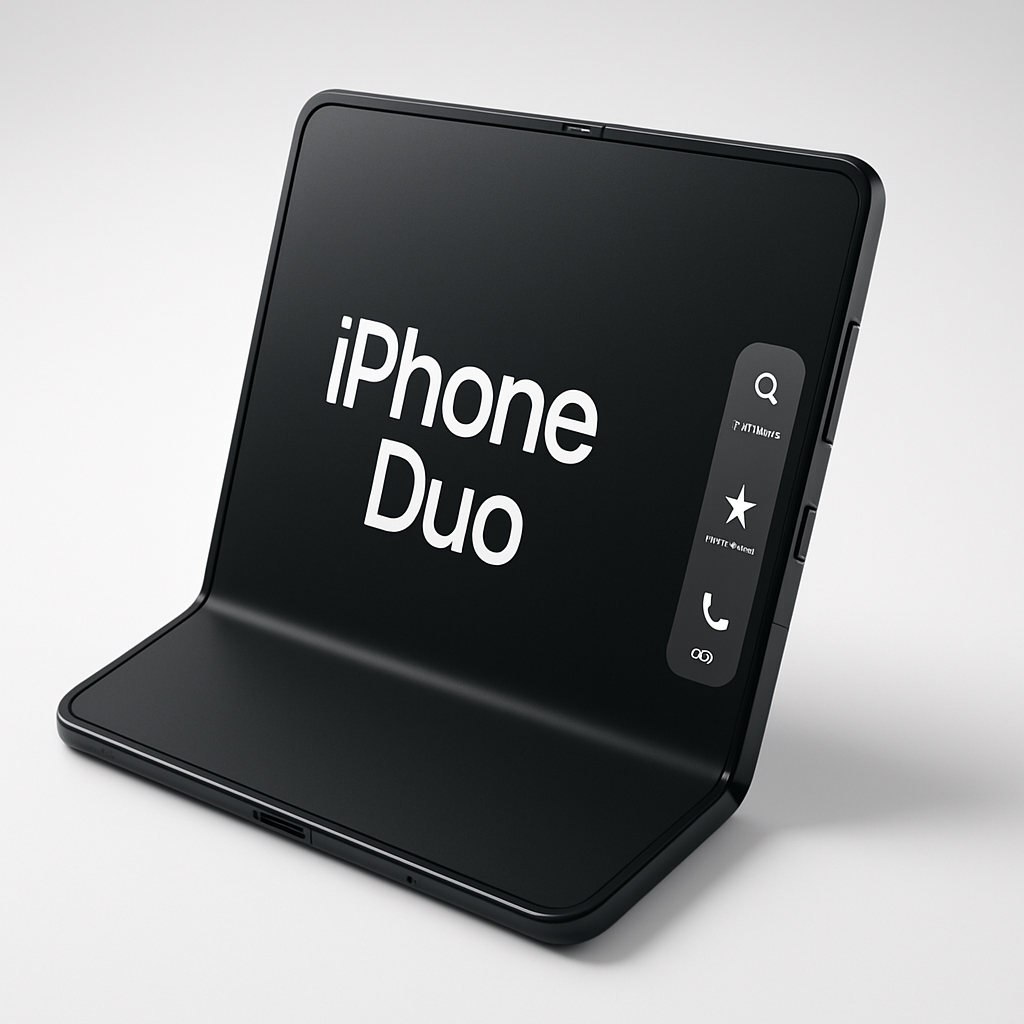
Apple has officially entered the foldable arena with the iPhone Duo, but it isn’t the radical reinvention some expected. Instead, it refines and reinterprets many of the core ideas Android foldables have been exploring, while introducing enough polish and thoughtful touches to pose serious competition.
The Duo’s hardware stands out for its mature design: it embraces useful aspect ratios familiar from Android devices yet avoids being unwieldy despite its thicker and heavier frame. That said, it doesn’t surpass existing Android foldables in any one major spec. A new matte finish display minimizes the visual crease at the fold, but some display oddities—like a shiny dot over the selfie camera—remain noticeable and underscore that this isn’t flawless innovation.
Software & Interface: Polished, But Not Path-Breaking
On the software front, Apple riffs on ideas Android has already adopted. Multitasking features look familiar—split-screen operations resemble those of Android devices like the Pixel Fold, with independent halves and a homescreen slot to launch more apps. Even layering video windows over other apps feels more refined than many current Android implementations, yet it still doesn’t feel entirely new.
Where the Duo does move the needle is in its navigation design. Apple shifts status bars and app controls to the sides, a move that aligns better with wider foldable screens and may improve how vertical content shows up. Some find this layout unbalanced or awkward—especially for left-handed users—but it could spark rethinking of UI norms in foldable designs.
What Android Makers Should Watch—and What It Means
Apple’s entry into this space sets new expectations. The animation when opening and closing the Duo already stands out as a potential inspiration for Android adoption. Even pricing is notable: while more cumbersome than many foldables, the Duo undercuts Samsung’s premium folds in cost, suggesting Apple is serious about competing. Accessory makers will need to quickly adapt to support yet another foldable standard.
Still, despite its strengths, the Duo doesn’t break new ground in several technical areas where Android pioneers have led. Under-display cameras, for instance, are already viewed skeptically, and the Duo’s version doesn’t eliminate the common compromises. On software side, task-switching and multitasking stay within familiar territory rather than charting new models of interaction.
Apple’s foldable debut is an important moment—for both sides of the aisle. Android brands get pushed to rethink norms, users gain more options, and developers now face new design decisions. What’s clear is that while the Duo didn’t reinvent the foldable formula, it sharpened the competition—and in doing so, may drive the next wave of innovation.
Looking ahead, it’s worth watching whether Android makers start copying the Duo’s edge-detecting UI choices (especially side controls), how well accessories adapt, and whether developers truly explore what wider foldable screens can enable—beyond incremental refinement.