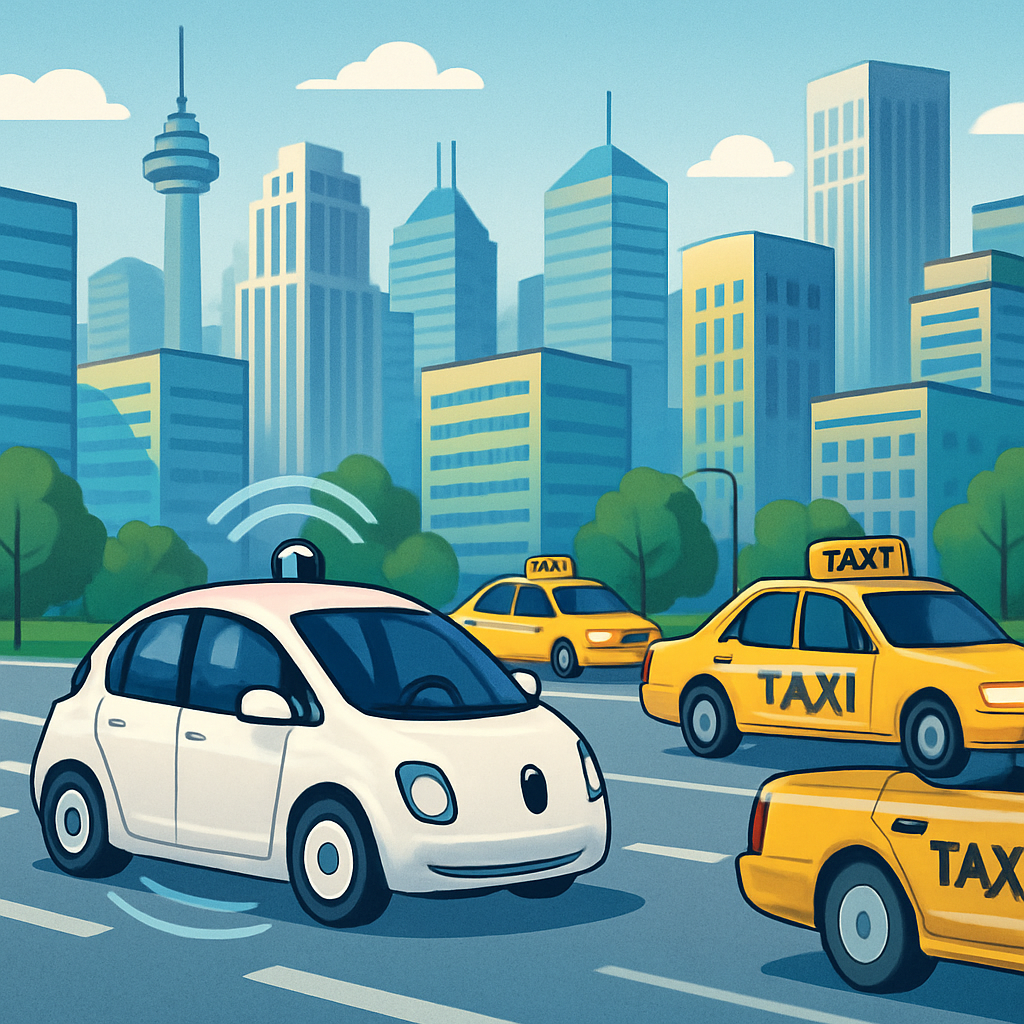
Uber’s recent lobbying efforts in Washington, D.C., have placed it at odds with its autonomous vehicle partner, Waymo. The contention centers around a proposed bill that would permit driverless vehicles to operate within the district. Uber opposes the bill, arguing that it could displace human drivers and inadvertently grant Waymo a monopoly in the robotaxi market.
Uber advocates for a hybrid model where both autonomous and human-driven vehicles coexist on ride-hailing platforms. This approach, according to Uber, would offer consumers choice and prevent the sidelining of human drivers. Javi Correoso, Uber’s head of U.S. policy and federal affairs, emphasized the importance of consumer choice during a D.C. Council roundtable, suggesting that regulations should mandate the availability of both autonomous and human-driven options on ride-hailing apps.
Conversely, Waymo supports the proposed legislation, asserting that it paves the way for the safe deployment of autonomous vehicles while promoting public transit and equitable access. The bill, introduced by Councilmember Charles Allen, aims to update the Autonomous Vehicle Act of 2012, allowing driverless testing and commercial operations in D.C. It stipulates requirements such as a minimum of $5 million in liability insurance and timely crash data reporting.
The debate over this bill underscores a broader industry discussion about the integration of autonomous vehicles into existing transportation networks. Uber’s push for a hybrid model reflects its strategy to balance technological advancement with the preservation of human driver employment. Meanwhile, Waymo’s support for the bill aligns with its goal of expanding autonomous operations.
As the D.C. Council prepares for a hearing on the matter, the outcome could set a precedent for how cities nationwide approach the regulation and integration of autonomous vehicles. The decision will likely influence the future dynamics between ride-hailing companies and autonomous vehicle developers, shaping the evolution of urban transportation.
In the rapidly evolving landscape of autonomous transportation, the D.C. debate highlights the complexities of balancing innovation with existing labor structures. The resolution of this conflict will be pivotal in determining how cities nationwide navigate the integration of driverless technology into their transportation ecosystems.